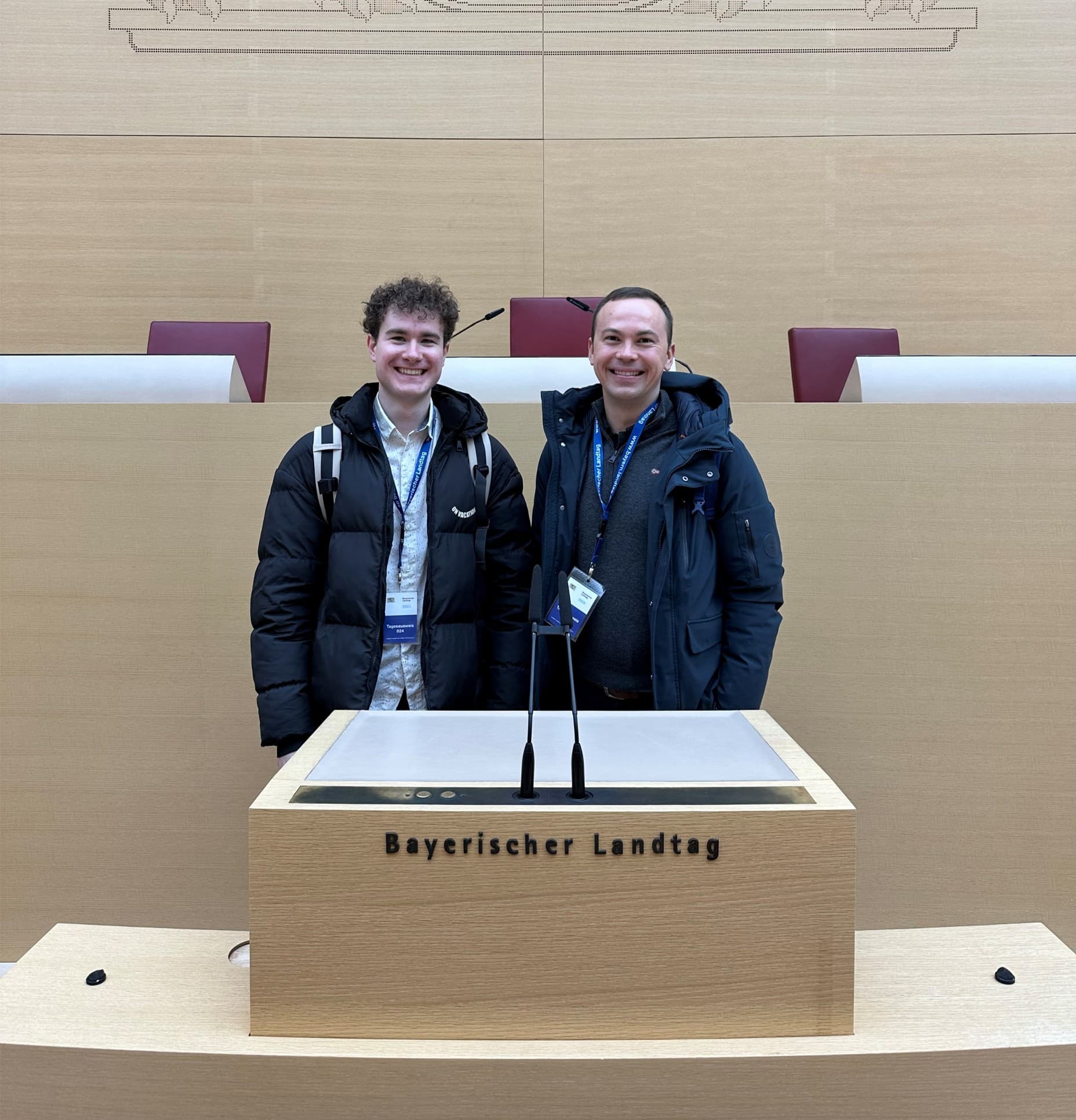

Munich Startup: Was macht Nexus Politics? Welches Problem löst ihr?
Magnus Strobel: Nexus Politics entwickelt eine digitale Demokratieplattform. Wir adressieren die wachsende politische Unzufriedenheit, indem wir Bürgerinnen und Bürgern digitale Werkzeuge an die Hand geben, um Anliegen einzubringen, politische Prozesse nachzuvollziehen und Verantwortliche zur Rechenschaft zu ziehen, integriert auf einer Plattform statt fragmentiert über viele Einzellösungen.
Digitale demokratische Teilhabe statt fragmentierter Einzellösungen
Munich Startup: Aber das gibt’s doch schon längst!
Magnus Strobel: Es gibt tatsächlich viele gute Einzellösungen – etwa für Bürgerbeteiligung, Petitionen oder Transparenz. Was bisher fehlt, ist jedoch eine übergreifende Verbindung dieser Ansätze. Unser Mehrwert entsteht genau dort: Wir denken den gesamten politischen Prozess end-to-end – von der ersten Problemmeldung über politische Entscheidungsfindung bis hin zur Umsetzung und Nachverfolgung. Für Bürgerinnen und Bürger bedeutet das einen klaren, nachvollziehbaren Weg statt vieler isolierter Tools.
Munich Startup: Was ist eure Gründungsstory?
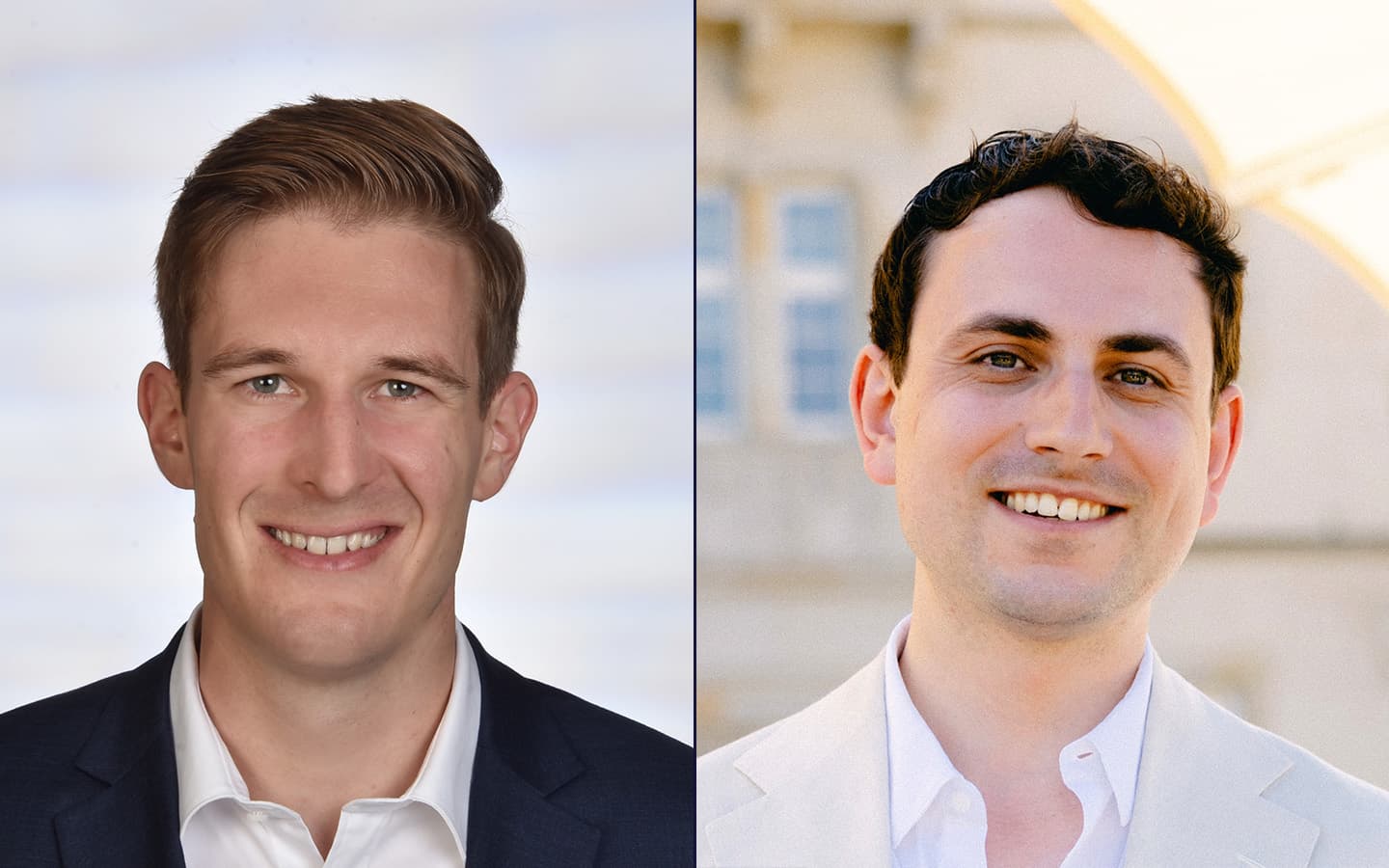
Magnus Strobel: Mein Mitgründer, Christoph Waffler, und ich haben uns über das Gründungsnetzwerk der TU München kennengelernt. Sehr schnell haben wir gemerkt, dass wir gemeinsame Interessen teilen, uns fachlich gut ergänzen und beide etwas an der Funktionsweise demokratischer Prozesse verbessern wollen. Im April 2025 haben wir das EXIST-Gründerstipendium erhalten. Seitdem arbeiten wir in Vollzeit an unserer gemeinsamen Mission, demokratische Teilhabe digital zu stärken.
End-to-end gedacht: politische Prozesse ganzheitlich abbilden
Munich Startup: Was waren bisher eure größten Herausforderungen?
Magnus Strobel: Neben der Produktentwicklung und dem Fundraising sind es vor allem regulatorische und rechtliche Themen. Als digitale Plattform, die mit Künstlicher Intelligenz (KI) arbeitet und politisch sensibel ist, bewegen wir uns in einem stark regulierten Umfeld. DSGVO, Digital Services Act, KI-Verordnung und ähnliche Regelwerke erfordern viel Sorgfalt und Ressourcen – sind aber gleichzeitig zentral, um Vertrauen und Rechtssicherheit zu schaffen.
Munich Startup: Wo möchtet ihr in einem Jahr stehen, wo in fünf Jahren?
Magnus Strobel: In einem Jahr möchten wir in Deutschland als feste Anlaufstelle für digitale politische Beteiligung etabliert sein – idealerweise mit dem Gedanken: „Wenn du ein politisches Anliegen hast, geh zu Nexus Politics.“ In fünf Jahren sehen wir uns international in möglichst vielen repräsentativen Demokratien, etwa in der EU, den USA oder Australien.
München als starkes Fundament für politische Innovation
Munich Startup: Wie habt ihr den Startup-Standort München bisher erlebt?
Magnus Strobel: Sehr positiv. Wir kommen beide von der TUM und sind schon länger im Münchner Entrepreneurship-Ökosystem unterwegs. München bietet Gründerinnen und Gründern außergewöhnlich gute Rahmenbedingungen – von intensiver Beratung über Förderprogramme bis hin zu Arbeitsräumen und Netzwerken. Konkret profitieren wir unter anderem von der TUM Gründungsberatung, dem TUM Incubator mit kostenlosem Office Space sowie dem Munich Impact Incubator – mit Trainings und Mentoring, Zugang zu Co-Working-Flächen im Munich Urban Colab und einem starken Netzwerk aus Akteuren aus Stadt, Wirtschaft und Zivilgesellschaft.
Munich Startup: Outsourcen oder selber machen?
Magnus Strobel: Wenn wir die nötigen Fähigkeiten und Ressourcen haben, machen wir Dinge gerne selbst – das gibt uns Kontrolle und ist oft effizienter. Für spezialisierte Themen sind wir jedoch offen für Outsourcing, solange es nicht unsere Kernkompetenzen betrifft. Wichtig sind für uns dabei Qualität, strategischer Mehrwert und dass wir als Team dazulernen.