
PITCH & PEOPLE Folge 20: Scale-Up-Coach Nico Reis
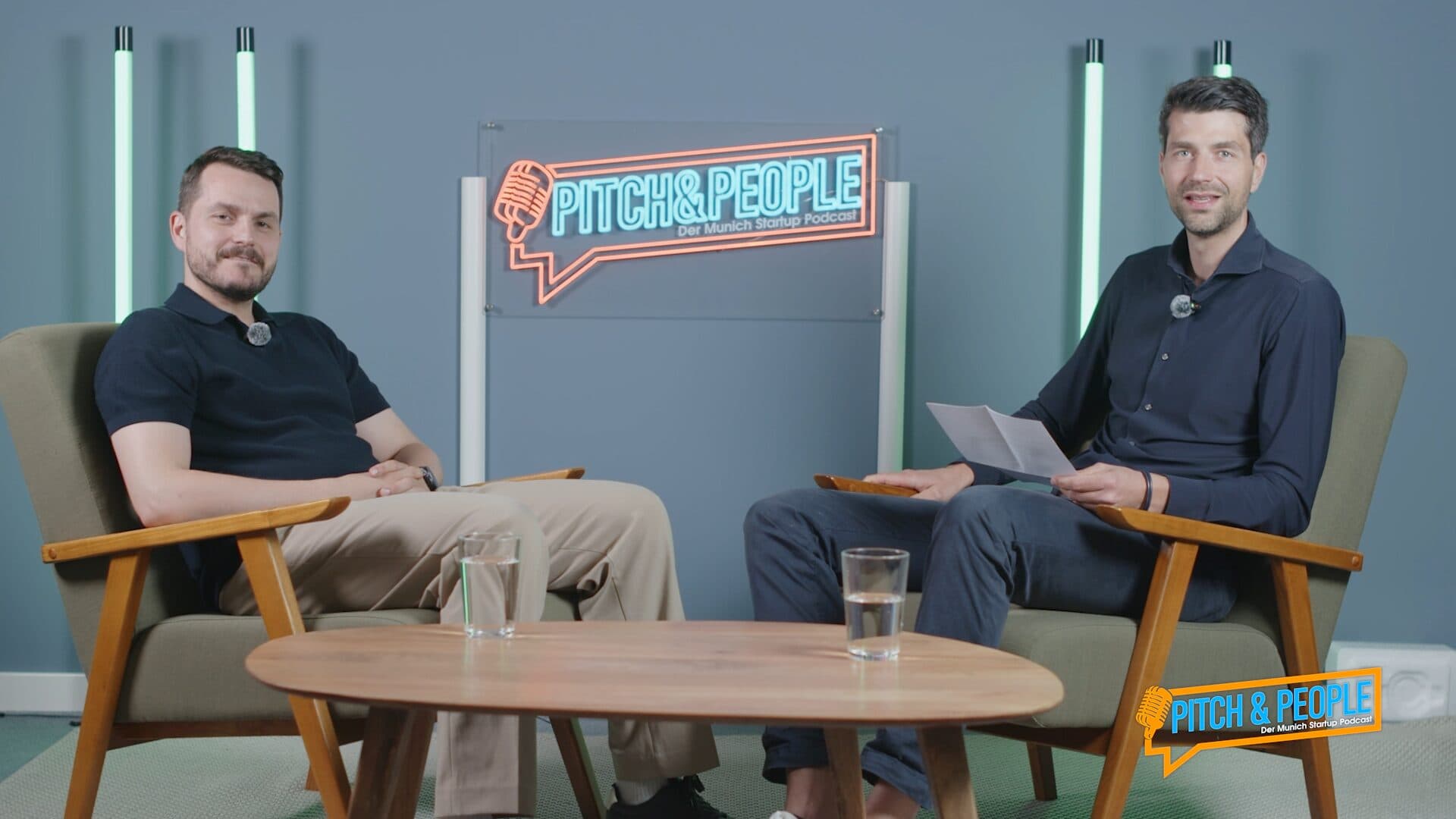
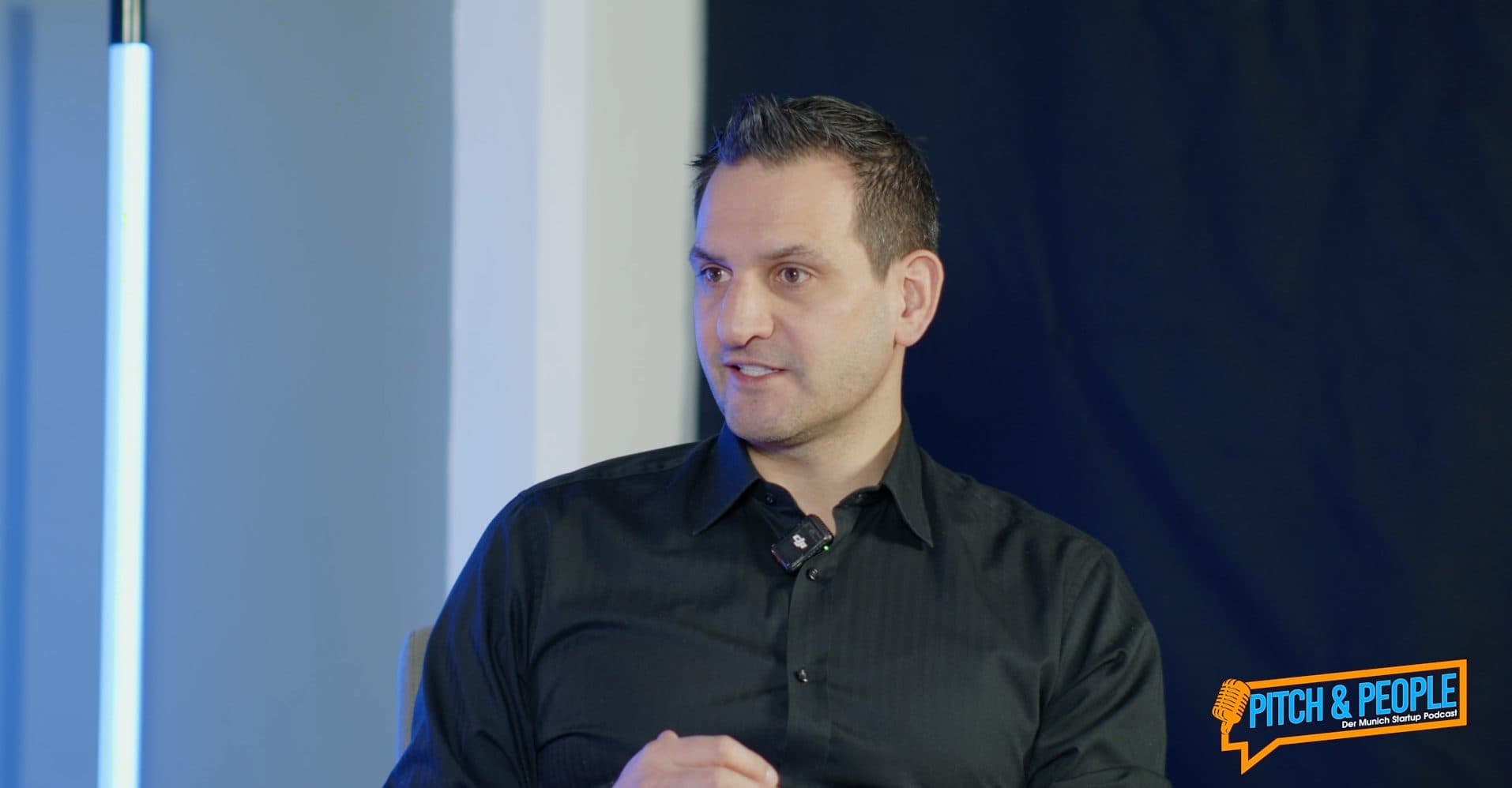
Growth, team building, leadership: whoever starts a startup will sooner or later face the same questions. Scale-up coach, entrepreneur, and investor Nico Reis has experienced them all himself, from his first own startup through a successful exit to working with high-growth companies. In our videocast Pitch & People, he shares his most important learnings. Here are his four crucial tips for founders.


1. Performance alone is not enough – culture decides
Many founders focus almost exclusively on performance at the beginning. For scale-up coach Nico Reis, this falls short, as he explains in our videocast Pitch & People. What matters is not only how well someone performs, but also how well that person fits the company culture.
Reis works with a simple but effective model: people can be classified along performance and cultural fit. A-players bring both and these are exactly the people companies should deliberately retain and develop. However, so-called C-players are particularly dangerous: strong on the technical side, but difficult culturally. They create friction, conflicts, and often hire people who think the same way they do – with long-term consequences for the entire company.
Your founding tip:
Hire for culture, train for skill. Skills can be learned. Attitude and values hardly ever can.
2. Core values are not wall decoration, they are the rules of the game
“Core values” are buzzwords for many startups. For Nico Reis, they are the opposite: an operational management tool. The key is to formulate values not in the abstract, but to translate them into concrete behavior.
His approach: companies should not vote on their values democratically, but define them from the DNA of the founding or leadership team. Then it is established what “cool” and “uncool” behavior specifically means. In writing, binding, transparent. This creates a shared orientation for decisions, feedback, and leadership.
Culture is created not through feel-good slogans, but through consistent modeling and clear naming of good and bad behavior.
Your founding tip:
Culture is the CEO’s responsibility. If you don’t actively shape it, it will form anyway. Just not the way you want it to.
3. These are the tasks a CEO must never delegate
What exactly is the job of a CEO? For Nico Reis, there are four tasks that founders should never fully hand over:
First: determine company culture. Second: define a clear vision, a goal that provides orientation and motivation. Third: decide on the budget. That is, decide what money is spent on and what it isn’t. And fourth: build and develop your leadership team.
The management team in particular is the greatest lever for a company’s long-term success. If you get the staffing wrong or avoid conflicts, you’ll pay a high price later.
Your founding tip:
You can delegate many things. But not culture, vision, budget, and your leadership team.
4. Revenue is not everything
Growth is often seen as a mark of success in the startup world. However, Nico Reis warns against glorifying revenue figures. What matters is not how much a startup sells, but how long it remains liquid.
A company can generate millions in revenue and still fail if costs and payment terms are not managed properly. For Reis, cashflow is the actual “lifeblood” of a startup. Founders should therefore carefully examine what obligations they take on, how quickly invoices are paid, and where payment flows can be optimized.
He also advocates honesty when it comes to personal salary: anyone who keeps their business model alive only through self-exploitation does not build a sustainable company, let alone a sellable one.
Your founding tip:
Optimize not just for growth, but for liquidity. Without cash, every startup quickly becomes “game over”.
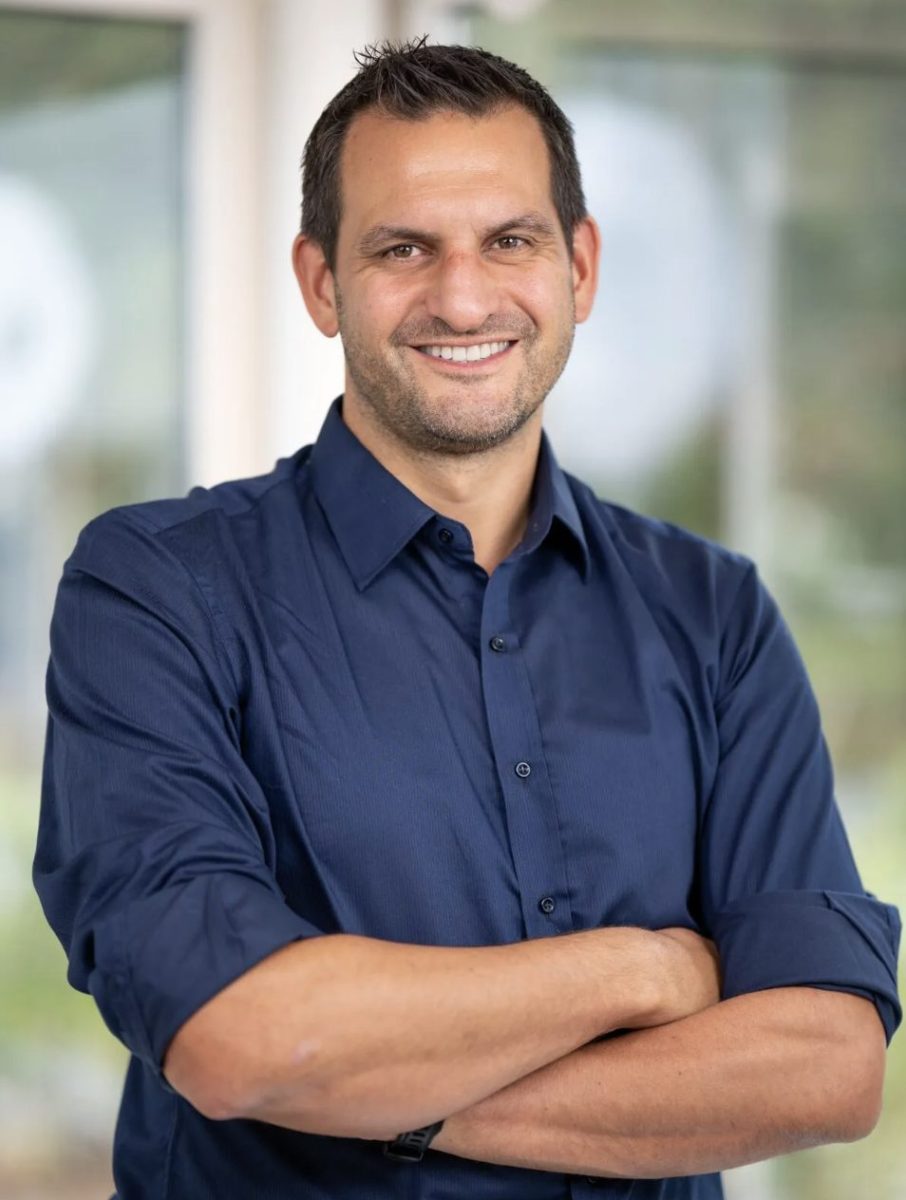
Nico Reis is an entrepreneur, investor, and senior coach at Scale Up. In 2009, he founded his own startup, built the company with external capital, led it to profitability, and successfully sold it after twelve years. Today, he supports founders and leadership teams in building scalable organizations with a clear focus on culture, leadership, and sustainable growth. He brings his own experiences from entrepreneurship, coaching, and teamwork to bear in a practical way.