
PITCH & PEOPLE Folge 24: Daniel Schmitt-Haverkamp
Serial founder, investor – and someone who describes himself as a “superb seven”: over the past 18 years, Daniel Schmitt-Haverkamp has founded numerous startups, seen them fail, and started over again. He became known above all as co-founder of the sustainable cleaning products startup Everdrop. In the video podcast Pitch & People, he talks about his unusual career path, how he deals with setbacks, and why he thinks the current fundraising system is outdated.


Daniel Schmitt-Haverkamp founded his first startup about 18 years ago. The platform Experte24, an insurance and financial comparison site, was meant to benefit from the online comparison portal boom. Although the site generated more sales than established providers at times, the company failed after four years. The reason: a change in the Google algorithm that caused traffic to plummet.
It wasn’t his only experience of this kind. A later fashion startup, a price comparison platform for fashion with vouchers and cashback, also failed after a short time – including roughly 500,000 euros in investment. For the founder, this was a painful but important lesson: ideas need to be tested quickly. Daniel Schmitt-Haverkamp reflects on this in our video podcast Pitch & People:
“I learned: I can’t just develop something I think is cool – I need to test quickly whether it actually works.”
“I’m not a specialist. I’m a generalist”
Over the years, Schmitt-Haverkamp has built numerous projects. He doesn’t see himself as an expert in any single discipline, but as a generalist. He sees his strength in rapidly launching ideas, testing them, and developing them further.
Typical of his work style: after two to three years, he often loses the drive to operate because processes become repetitive. He then deliberately seeks new challenges and transfers responsibility to specialists on the team.
Everdrop: impact as leverage
Schmitt-Haverkamp achieved the greatest recognition with the sustainability startup Everdrop. The company develops cleaning products that dissolve as tabs in water, avoiding plastic bottles.
The launch was rapid: in the first year alone, Everdrop achieved around ten million euros in sales and closed a Series A funding round within 13 months.
But for the founder, impact above all counts: millions of plastic bottles saved, plus fewer CO₂ emissions and chemicals through the products.
Why many founders fail
Despite all his success, Schmitt-Haverkamp sees typical patterns among founders. One problem: ego.
“I think we founders all have a screw loose. Especially at the beginning, many think they’re the greatest and don’t ask anyone for help.”
This attitude can be particularly dangerous. Because feedback – especially critical feedback – is crucial to really improve an idea. The most valuable conversations are not those with supporters, but with critics. Those who take an idea apart often help more than someone who just agrees.
Another success factor for Schmitt-Haverkamp is rapid experimentation. Rather than working on a product for months, he recommends testing ideas in the market as early as possible – through ads, landing pages, or simple prototypes.
This way you can see within days whether there’s genuine interest. Those who instead develop for long periods without gathering customer feedback risk wasting a lot of time and money.

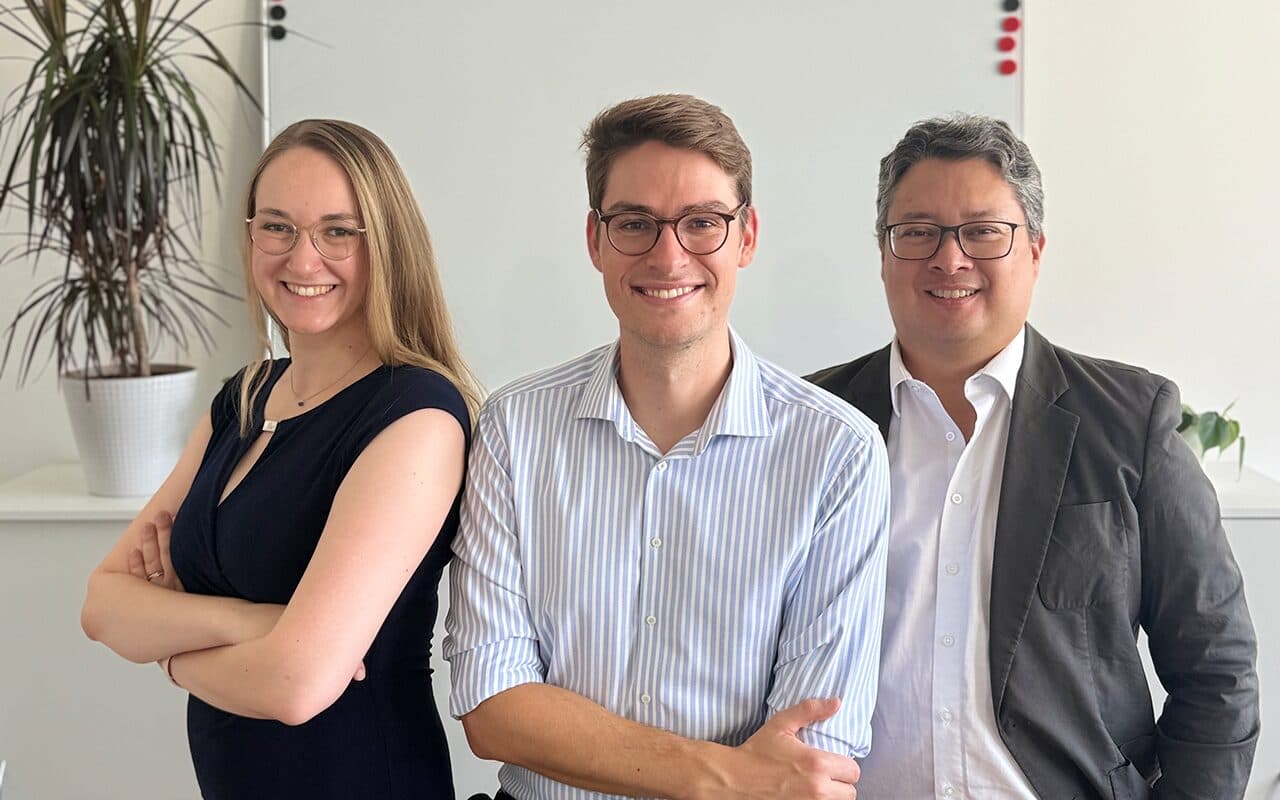
Startup Match is the latest project by serial founder Daniel Schmitt-Haverkamp. The platform aims to fundamentally modernize the fundraising process for startups. The goal is to bring founder teams together with suitable business angels faster using data analytics and artificial intelligence. The background is a structural problem in the startup scene: fundraising often takes several months and consumes a lot of time that founders should actually invest in product development and customer work. Startup Match aims to make this process more efficient by analyzing founder teams comprehensively and strategically matching them with investors who bring not just capital, but also know-how and networks. The goal is to enable financing much faster and more precisely. (Photo: Daniel Schmitt-Haverkamp)
Entrepreneurship as a game
Setbacks are part of everyday life for the serial founder. He describes his own life as a sequence of highs and lows. Particularly in difficult phases, however, he learns the most.
“My life is not a hockey stick. It goes up, but with many ups and downs. And it’s precisely in the downs that you learn the most.”
What matters is your own attitude: instead of seeing problems as catastrophes, founders should understand them as learning opportunities.
Startup Match: rethinking fundraising
His current project is called Startup Match, a platform designed to modernize the fundraising process. Although many areas of the startup world have changed dramatically, financing is still often surprisingly analog. Statistically, fundraising still takes several months, even though websites can now be built in hours and MVPs developed in a short time.
The result: founders invest enormous amounts of time in pitch events, networking, and investor hunting, instead of focusing on product and customers.
The idea behind Startup Match: automate the process more and use data and AI to bring founder teams together with suitable business angels.
A key element of the new approach is the analysis of founder teams. Various personality tests and data should be combined to get a more comprehensive picture of team dynamics. This way investors can faster recognize which startups really fit them – and founders can more easily access capital and networks.