
Manual controls in large enterprises remain common even today. Auditors work with sample checks, control teams collect Excel lists and screenshots as evidence, while regulatory requirements continue to increase. Around 80 percent of all corporate controls are still performed manually – a rather confusing and complex approach.
But Auxilius offers a solution for this. The platform translates policies, risk-control matrices, and regulatory requirements into deterministic, executable code. This is intended to enable controls to be carried out continuously across the entire data set rather than just through sampling. If regulatory requirements or internal processes change, the underlying logic can be adjusted accordingly.
The company aims to solve one of the biggest challenges in compliance and audit departments. This is intended to demonstrate that internal policies and regulatory requirements are actually being met. The capital of €1.3 million will now finance the expansion of the AI platform for governance, risk & compliance (GRC) and the further development of a so-called control intelligence knowledge graph.
AI translates corporate policies into executable code
The goal is to replace traditional periodic audits with continuous monitoring and provide companies with comprehensible, auditable evidence of their controls.
“We’re developing a new approach and standard for assurance: continuous, auditable, and aligned with business decisions that C-level teams must make under regulatory pressure”,
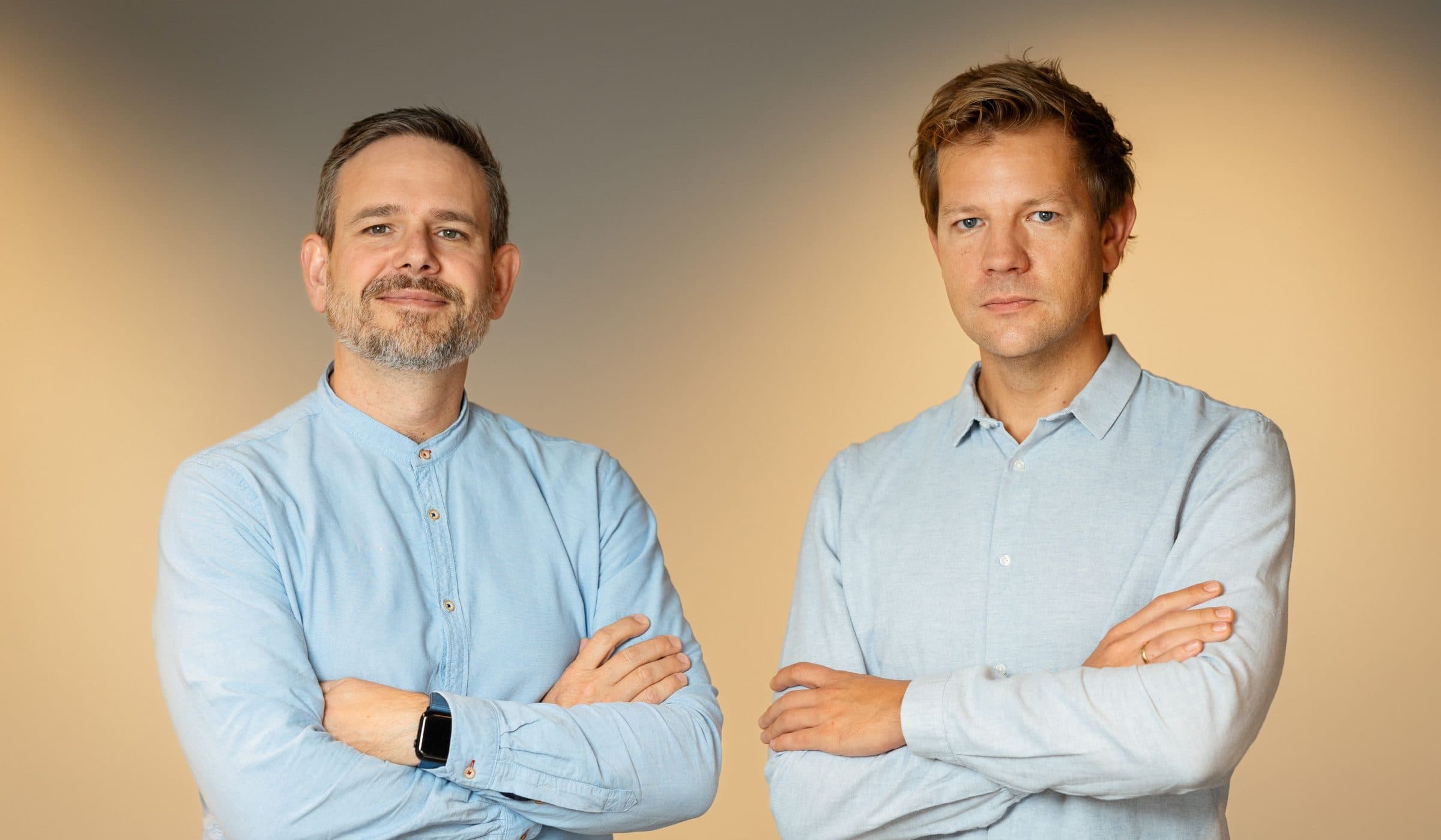
says Auxilius CEO and co-founder Christian Hoppe.
HTGF invests in regtech for enterprise customers
The High-Tech Gründerfonds is leading the funding round. In addition to HTGF, Techstars and several experienced business angels are participating.
For HTGF investment manager Hanna Sasse, the startup’s strength lies in the combination of deep GRC expertise and enterprise software competence.
“What convinced us early on is the rare combination of deep GRC domain knowledge and enterprise engineering expertise, as well as their ambitious vision: to enable auditable evidence as a byproduct of existing process steps.”
Capital flows into product development and team building
With the fresh capital, Auxilius wants to particularly expand its engineering and domain team. In addition, the so-called control intelligence knowledge graph is to be further developed. According to the company, this technology forms the basis for rolling out automated controls across different business processes and keeping them current in the event of regulatory changes.
Today, Auxilius already works with first-paying enterprise customers, including European banks and industrial companies. In pilot projects, the startup reports shorter implementation times, higher control coverage, and reduced manual effort.
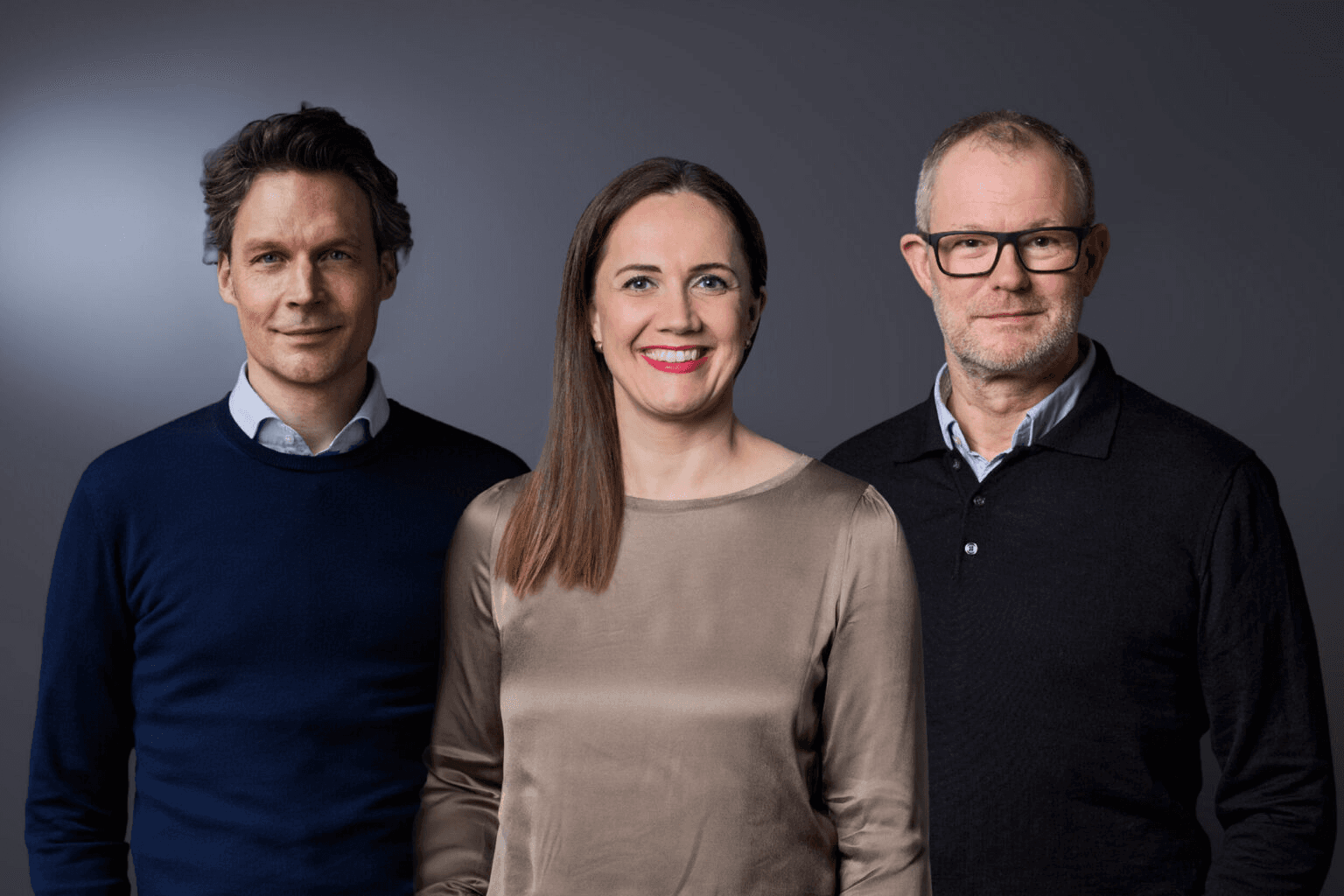
While Christian Hoppe brings around 15 years of experience in governance, risk & compliance as well as SaaS, Barnes brings expertise in enterprise AI, ERP integration, and cloud architectures. With this combination, the startup addresses a market that is gaining increasing importance in light of growing regulatory requirements and increasing compliance complexity.