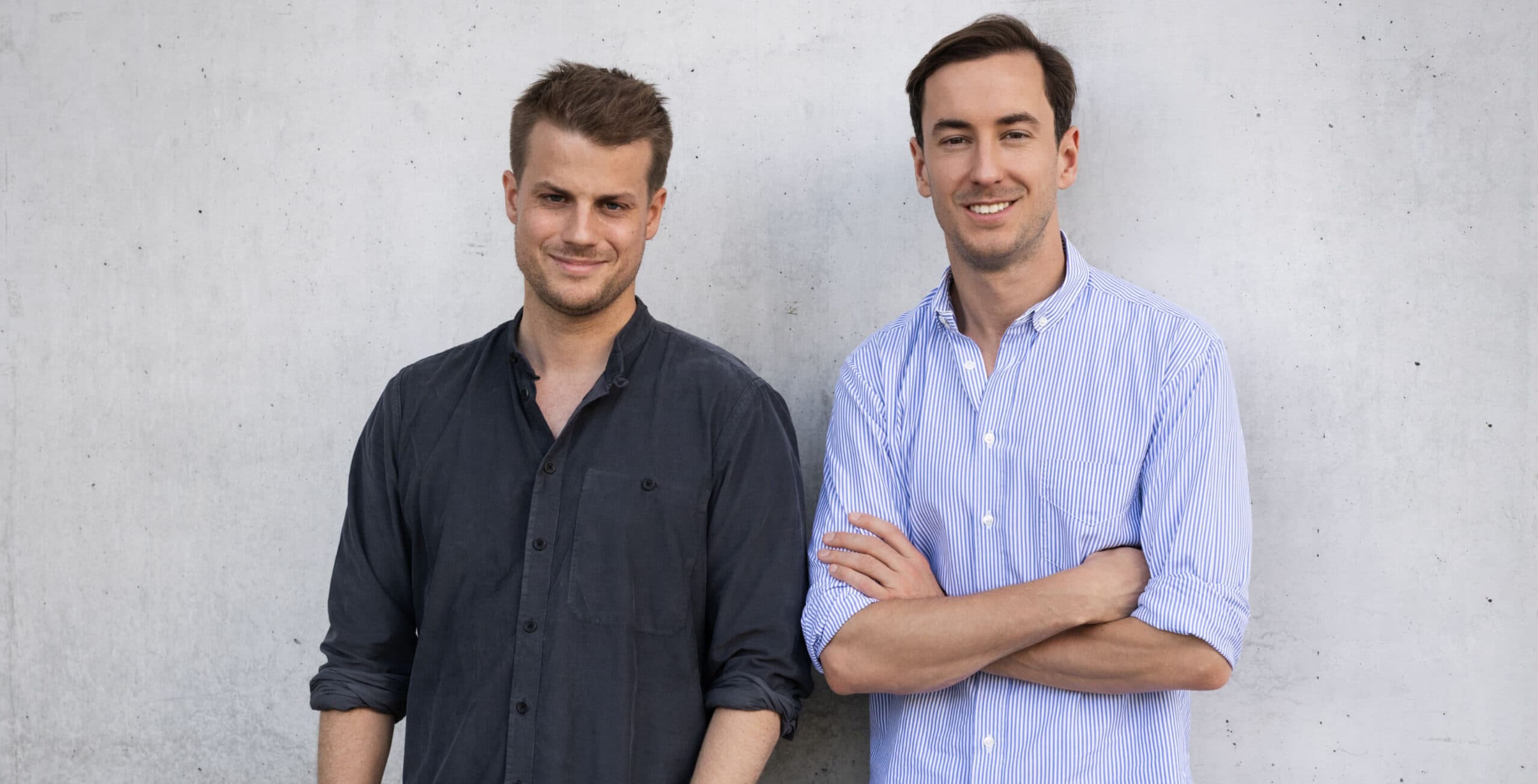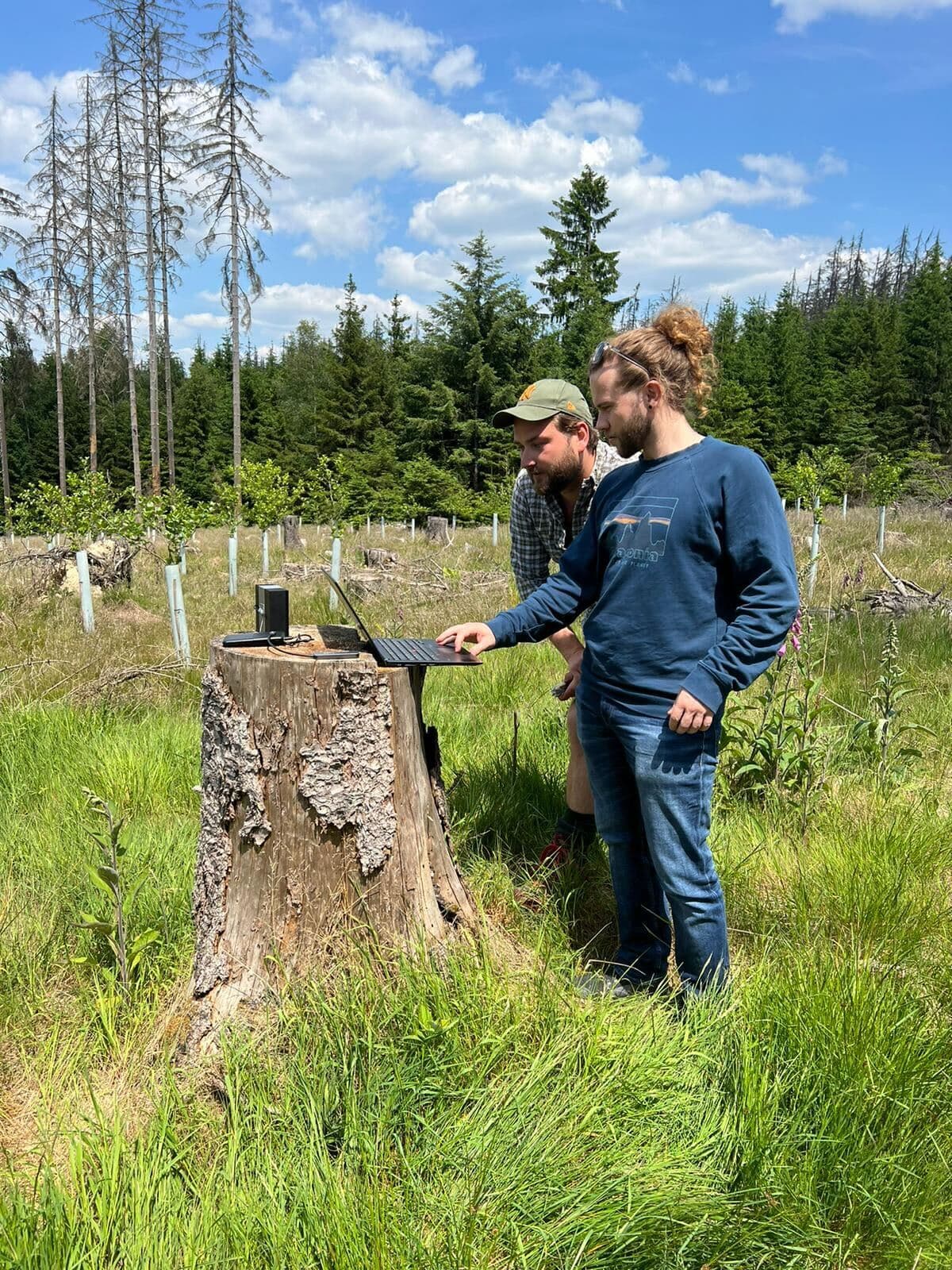

Hula Earth makes biodiversity and nature measurable using sensors and satellites. The startup, founded in 2023 by Florian Geiser and David Schmider, has successfully closed a pre-seed funding round of €1.6 million. The fresh capital will be used for the Munich startup’s expansion plans. The round is led by Point Nine Capital, with participation from Climate Founders, Partners in Clime, WithEarth, and prominent entrepreneurs such as Lawrence Leuschner (Tier Mobility), Kilian Kaminsky (Refurbed), Florian Hildebrand (Greenlyte Carbon Technologies), and Markus Linder (Zoovu). Additionally, the European Space Agency (ESA) officially supports the project. Florian Geiser, co-founder and CEO of Hula Earth, emphasizes his company’s forward-thinking approach:
“More than half of global GDP depends on nature. Only if we monitor the state of nature using on-site collected data and work towards a future-proof condition can we ensure access to ecosystem services as well as food and medicine security for future generations.”
Hula Earth eliminates manual data collection
Hula Earth operates with a two-part monitoring system:
- On one hand, a network of proprietary intelligent sensors (BioT devices) that automatically collect environmental data and bioacoustic recordings and are capable of identifying over 6,000 different species. And
- on the other hand, an innovative integration of ground data with satellite imagery, which enables comprehensive insights into biodiversity.
This system eliminates the need for manual data collection and additionally enables scalability for large areas. The Hula technology is particularly interesting for companies in the food production, cosmetics manufacturing, and infrastructure sectors, as they can use it to track environmental impacts across their entire value chain, reduce business risks through improved biodiversity management, and make data-driven sustainability decisions.
“Scalable solutions have been lacking”
Pawel Chudzinski from Point Nine Capital says:
“The loss of biodiversity is one of the defining challenges of our generation. We are convinced that innovative technology can help organizations measure and manage their impact on biodiversity, but scalable solutions have been lacking. Hula’s approach of combining hardware and software technologies in an integrated platform for biodiversity monitoring impressed us. We look forward to supporting the team behind Hula in their important mission.”
And Florian Geiser adds:
“Fortunately, many companies with land use are already optimizing biodiversity to increase climate resilience and crop quality. Demand for primary data is rising rapidly, not only due to new reporting requirements.”