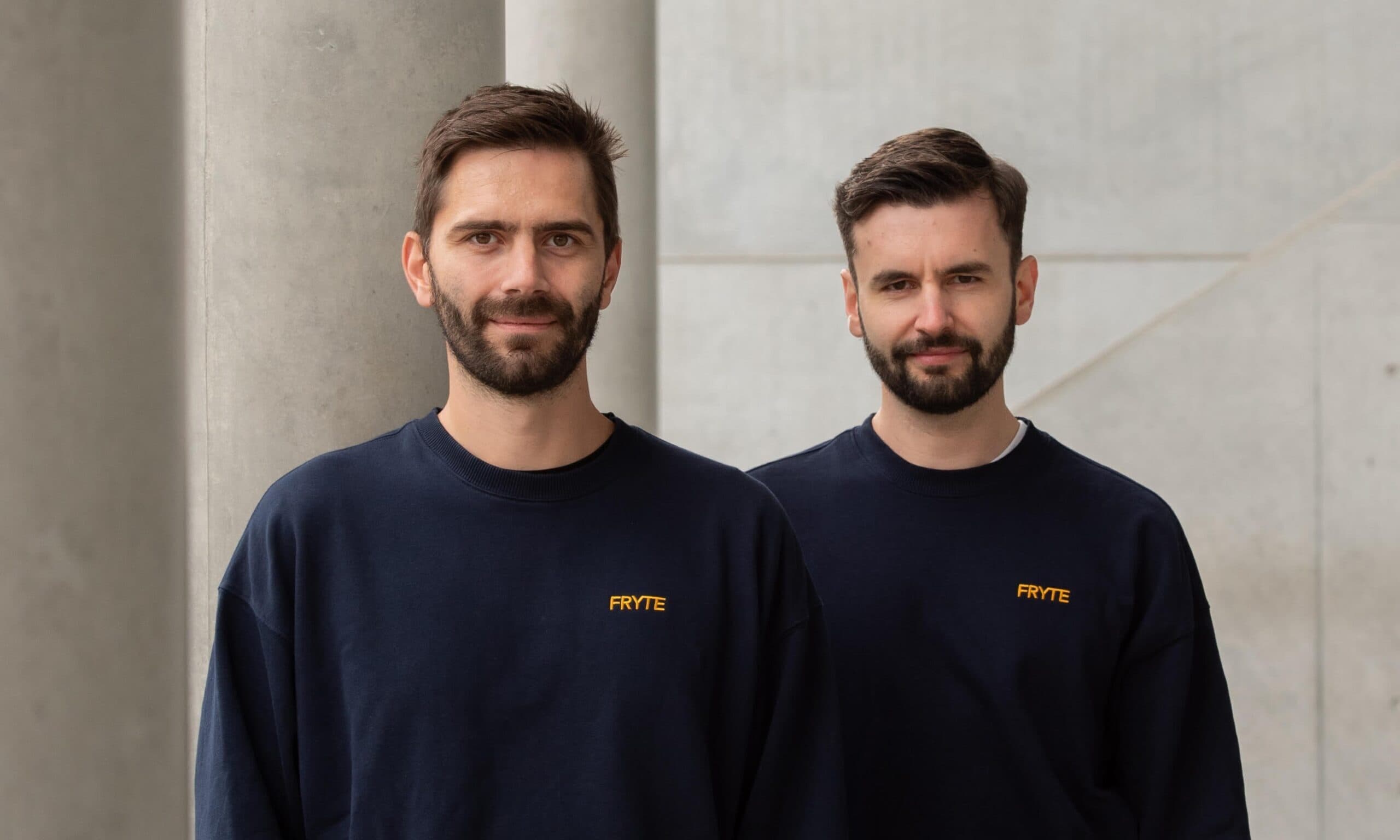

The startup Ororatech is working on a satellite-based early warning system for forest fires. As part of the WildFireSat mission, the spacetech company will now work together with Spire Global Canada – a subsidiary of Spire Global, which specializes in space-based data analytics – to develop a special satellite constellation. This is intended to ensure monitoring of all active forest fires in Canada from space. The Canadian government is providing 72 million Canadian dollars for the project.
Theresa Condor, CEO of Spire Global, says:
“Forest fire detection is one of the most important satellite functions, providing significant benefits for public safety, environmental health, and the economy. We are proud to work with the Canadian government, which is paving the way for developing a next-generation forest fire monitoring system to protect its citizens and communities.”
The WildFireSat mission is a joint initiative of several institutions, including the Canadian space agency. The goal of this mission is to provide data on forest fire behavior, smoke, and air quality. The data is intended to improve decision-making in fire suppression, reduce losses, and protect communities. Launch is planned for 2029; the space agency intends to operate WildFireSat for at least five years.
While Spire Global designs the special satellite constellation, Ororatech provides the measurement instruments for forest fire monitoring that will be installed on the satellites. The Munich-based spacetech company also contributes the data processing system. Martin Langer, CEO and CTO of Ororatech, comments:
“Spire and Ororatech are delighted to support the Canadian government with our proven infrared camera technology and data processing architecture, providing outstanding imaging devices for the detection, management, and suppression of forest fires.”
Ororatech and Spire are collaborating with the Wakâ Mne – Science and Culture Initiative of the Alexis Nakota Sioux Nation. They aim to involve indigenous businesses in the WildFireSat mission and thus create direct economic benefits and employment opportunities.
Langer explains:
“We are particularly proud that this will help indigenous communities across Canada respond effectively to these natural threats and protect their communities and their way of life.”