
With the start of the second funding phase of the research project “6G-life²“, the Technische Universität München (TUM) and TU Dresden (TUD) are consolidating their leading positions in European 6G research. Researchers from various disciplines are working together on concepts and technical solutions for the sixth mobile network generation. The funding phase runs until the end of 2029, with the commercial launch of 6G scheduled for 2030.
Unlike today’s 5G standard, which focuses on machine-to-machine communication, 6G puts people at the center. The focus is on applications such as care robots, teleoperation, and interaction with virtual worlds. Since 2021, researchers have built an ecosystem that combines basic research with practical applications. These structures are now to be deliberately converted into market-ready technologies.
The Federal Ministry for Research, Technology and Space is funding “6G-life²” with 25 million euros. This creates the foundation for secure, resilient, and sovereign communication technologies and, in the long term, reduces technological dependence on international providers.
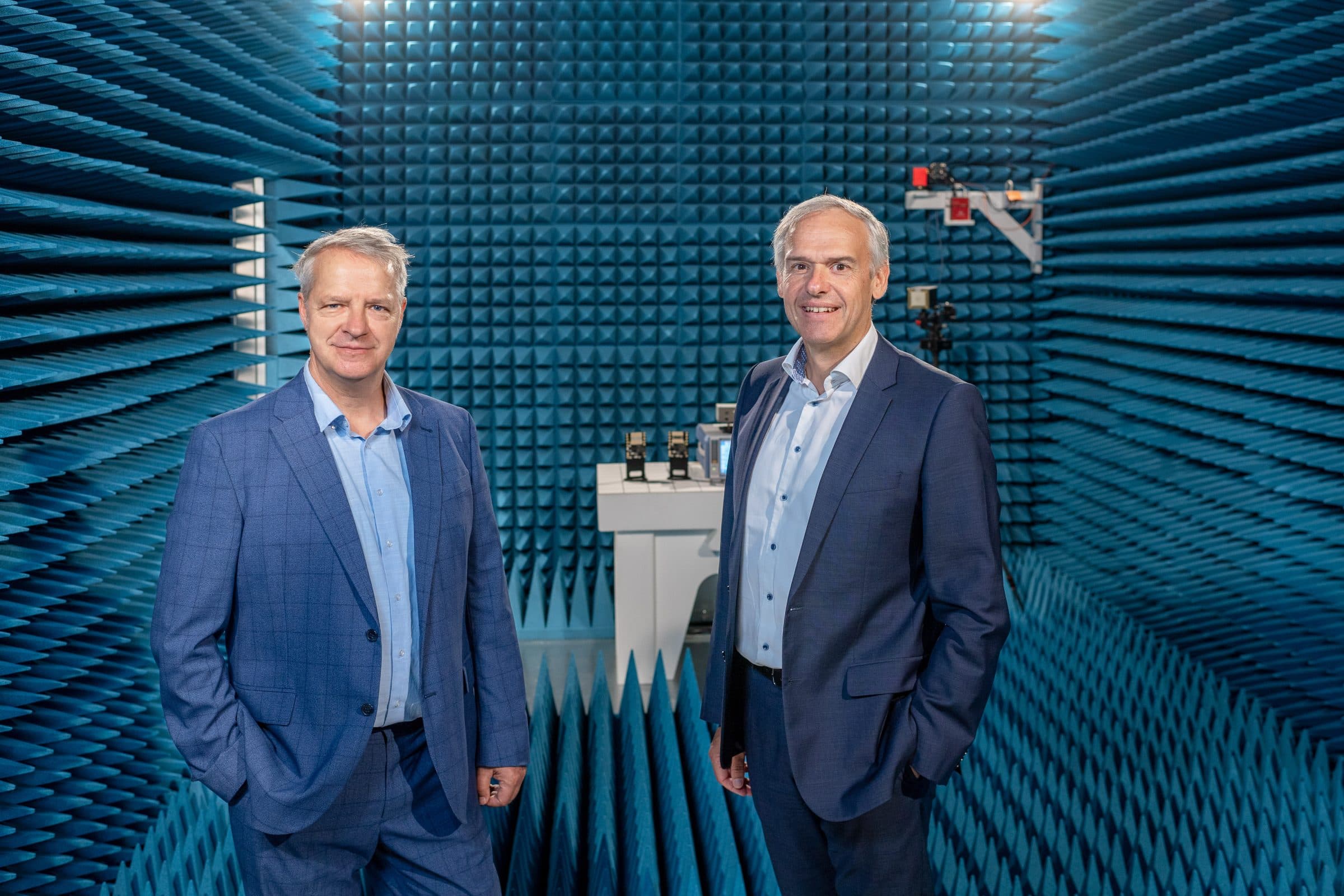
Wolfgang Kellerer, professor of communication networks at TUM, emphasizes:
“The infrastructure of the future must not only be powerful and reliable, but above all secure, sustainable, flexible, and cost-effective to implement. This is exactly what we are developing at TUM together with TUD – the necessary concepts and technologies.”
Beyond research, the project aims at knowledge transfer to industry and training of future specialists.
Technological sovereignty and new opportunities for startups
A key component of the second funding phase is targeted support for startups. The initiative sees this as a strategic lever to bring innovations to market maturity faster and secure Germany’s competitive position. For Bavaria, this approach plays a central role: by linking with regional research initiatives such as the “6G Future Lab Bavaria”, a strong network is created that supports founders in developing new technologies and bringing them to market.
Kellerer highlights the importance of technological independence:
“Especially in the telecommunications industry, where Asian companies play a dominant role, technological sovereignty is crucial. To successfully advance 6G development in Bavaria and Germany, we need new technology companies that close gaps and bring innovations to market maturity quickly.”
With the startup incubator launchhub42 in Dresden, a platform was created in 2024 that promotes spin-offs from research. It also facilitates technology transfer to industry and society. This combination of science, entrepreneurship, and technology transfer is intended to ensure that new 6G applications “Made in Germany” are created.
Frank Fitzek, professor of the Deutsche Telekom professorship for communication networks at TUD, emphasizes:
“Technological sovereignty and a strong startup ecosystem are at the center of ‘6G-life²’. With applications in the field of 6G and robotics, we have demonstrated the potential in spin-offs – driven by the close collaboration between TUD, TUM, and our transfer network.”
Research as a competitive advantage for Bavaria
The “6G Future Lab Bavaria” at TUM complements the work of “6G-life²” through targeted focus areas such as energy efficiency, network security, and digital twins. Both projects are closely linked and develop joint testbeds, demonstrators, and experimental systems.
This positions the Munich startup scene as a leader in researching and developing the sixth mobile network generation. The region strengthens its role in high-tech research and once again demonstrates the innovation-friendly environment for founders and technology companies.