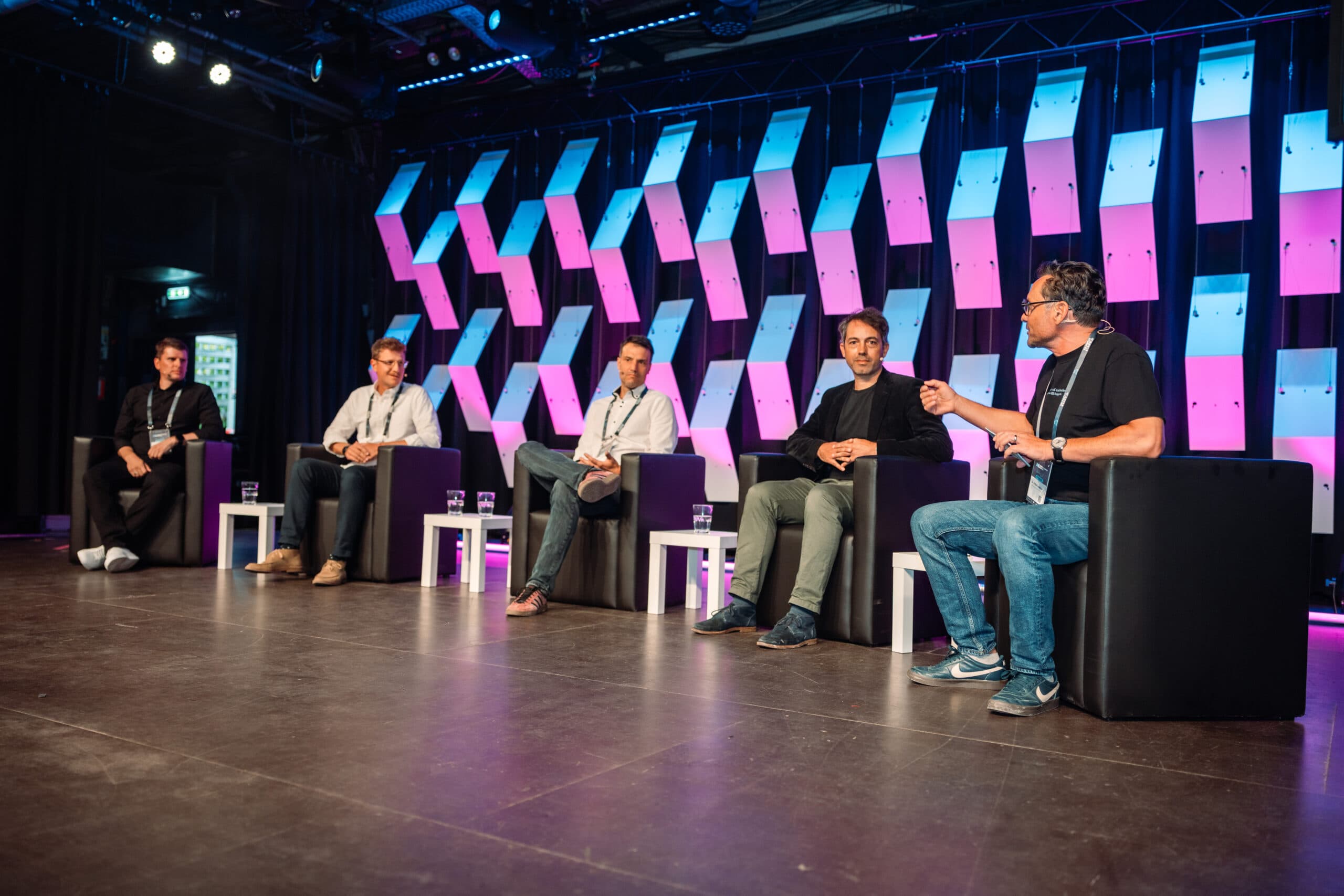

For Chiara Manfletti, professor of space propulsion and mobility at the Technical University of Munich (TUM), even the second launch is an important signal.
“The fact that we’re seeing a second launch is already a success for me,”
she says in an interview with Munich Startup. Europe has been trying for years to build commercially driven space companies – every real launch brings this goal a step closer, regardless of the outcome. Isar Aerospace has raised extensive private funding in recent years. This also increases the pressure to deliver.
“Now they have to deliver. On the other hand, it’s absolutely extraordinary that a European startup has reached this point in such a short time.”
Why every second counts in a rocket launch
Rocket launches are not all-or-nothing events. Even if a flight ends prematurely, it provides valuable insights. Manfletti explains:
“A rocket is an extremely complex machine. Every second it runs, it shows us how it behaves and how the individual systems perform.”
This data is crucial for identifying weaknesses and making improvements. The approach deliberately mirrors development processes from the startup world: test, learn, adapt.
“It’s like driving a car: with each drive you learn something, and if you could optimize it yourself, you’d improve performance.”
International examples show that this approach can work. Even SpaceX with Elon Musk achieved a breakthrough on the fourth attempt. Daniel Metzler and Isar Aerospace aim to succeed on the third try.
Entrepreneurial spirit under extreme conditions
The fact that Isar Aerospace is taking this “startup approach” is closely tied to the mentality of its founding team. Manfletti describes CEO Daniel Metzler as a representative of a generation that, after graduation, doesn’t wait for existing structures but wants to create their own momentum. “He just does it,” she says, pointing to the enormous resilience required to lead a space startup through both good and bad phases.
After all, rocket development is a high-risk entrepreneurial path: high investments, long development times, no finished product, and yet the need to convince investors of your own vision.
Heading into new dimensions
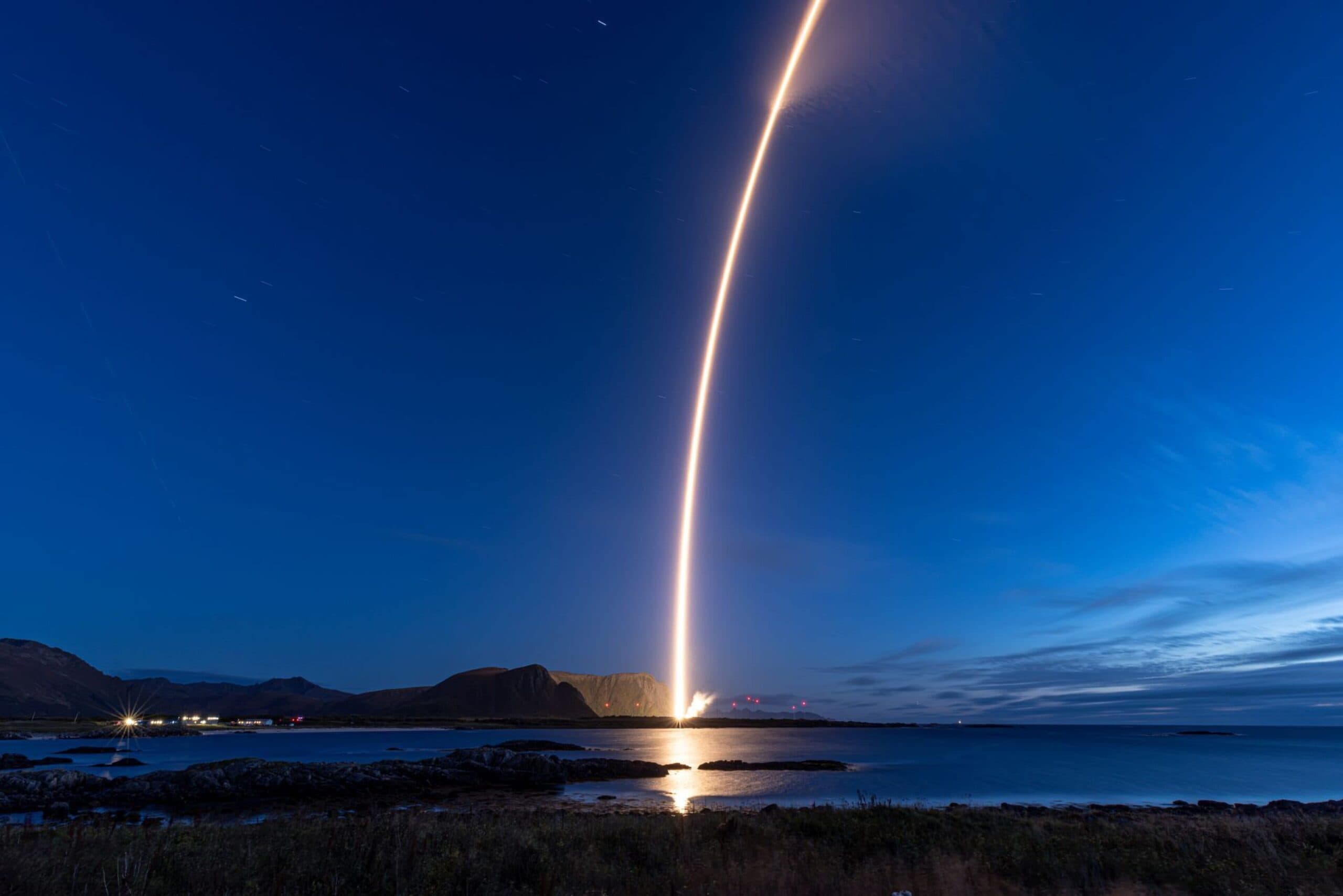
The mission is named “Onward and Upward”. Unlike the first flight, this time it’s not just a pure test but also the rocket’s qualification mission and the first flight with payloads on board. The plan is to transport five CubeSats and a technological experiment, including projects from universities and research institutions from Germany, Austria, and Norway.
The mission is supported by the ESA’s Boost! program. Isar Aerospace had previously won the Microlauncher Competition of the German Space Agency at the DLR – an important step toward the industrial use of the rocket.
Launch from Europe’s first orbital spaceport
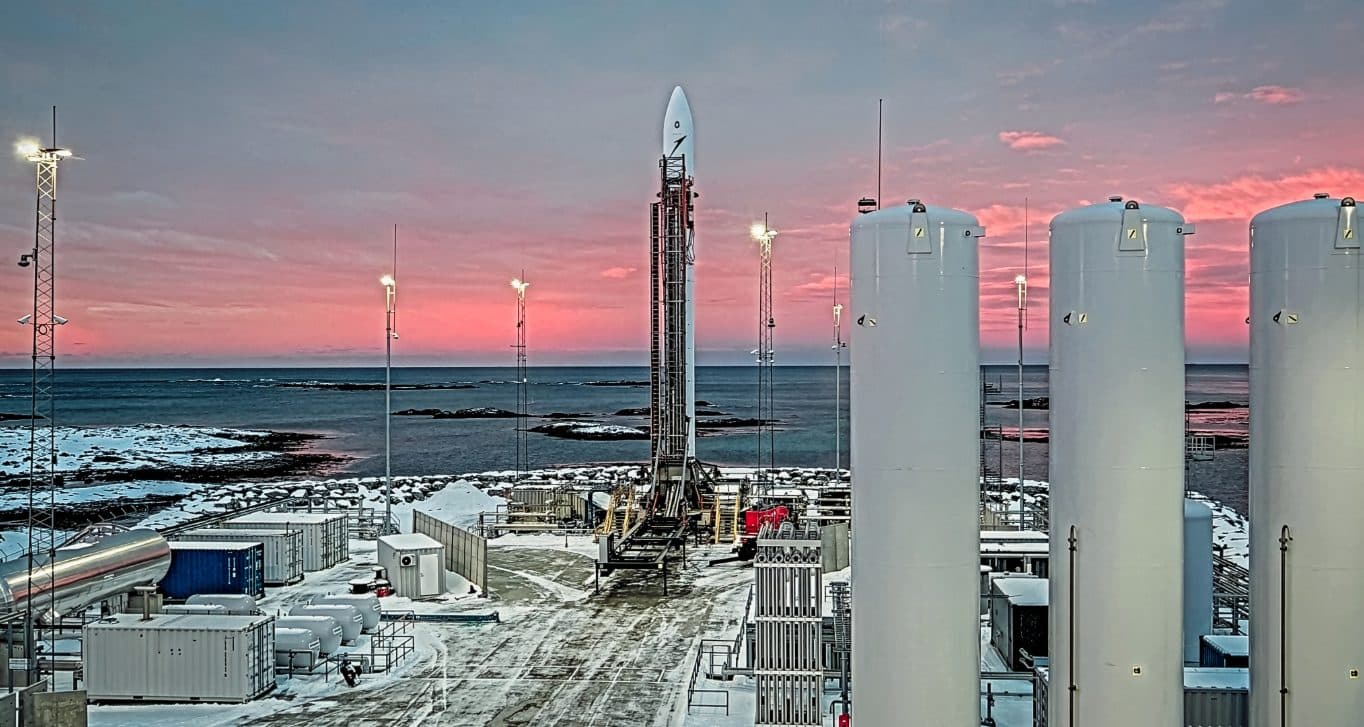
The mission will launch from the Isar Aerospace launch complex at the Andøya spaceport in Norway. The facility was officially opened in late 2023 and is considered the first operational orbital spaceport on mainland Europe. Isar Aerospace has exclusive access to a launch facility for orbital missions there.
The geographic location makes it particularly suitable for polar and sun-synchronous orbits – a key advantage for Earth observation and communications satellites.
Spectrum: Small rocket with industrial ambitions
The two-stage launch vehicle Spectrum is being used again, fully developed, manufactured, and tested by Isar Aerospace. The rocket is approximately 28 meters long, has a diameter of two meters, and uses liquid oxygen and liquid propane as propellants.
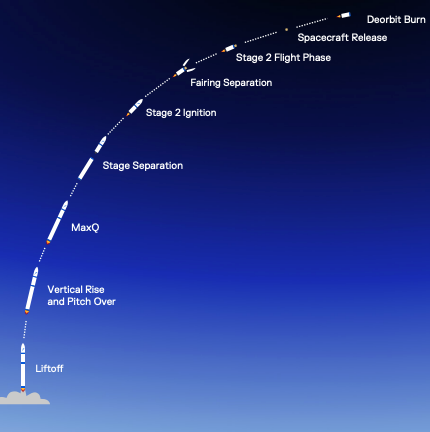
The first stage is powered by nine Aquila engines, while the second stage uses a vacuum-optimized Aquila engine. Looking ahead, Spectrum is expected to carry up to 1,000 kilograms of payload into low Earth orbit (LEO) or 700 kilograms into a sun-synchronous orbit (SSO).
More than just a test flight
Whether the Spectrum rocket achieves its ultimate goal on the second attempt remains uncertain. One thing is clear, however: every further flight provides insights that advance Europe’s commercial space efforts. Or, as Manfletti puts it:
“It’s less about what we do – we can build rockets – but how we do it.”
The launch in Andøya is therefore more than a technical test. It’s a symbol of the effort to rethink space exploration in Europe – faster, bolder, and closer to the logic of startups.
Sources
- Interview with Prof. Dr. Chiara Manfletti, professor of space propulsion and mobility at the Technical University of Munich (TUM), conducted by Munich Startup on 19.01.2026
- Isar Aerospace: Press Kit for the “Onward and Upward” mission 2026