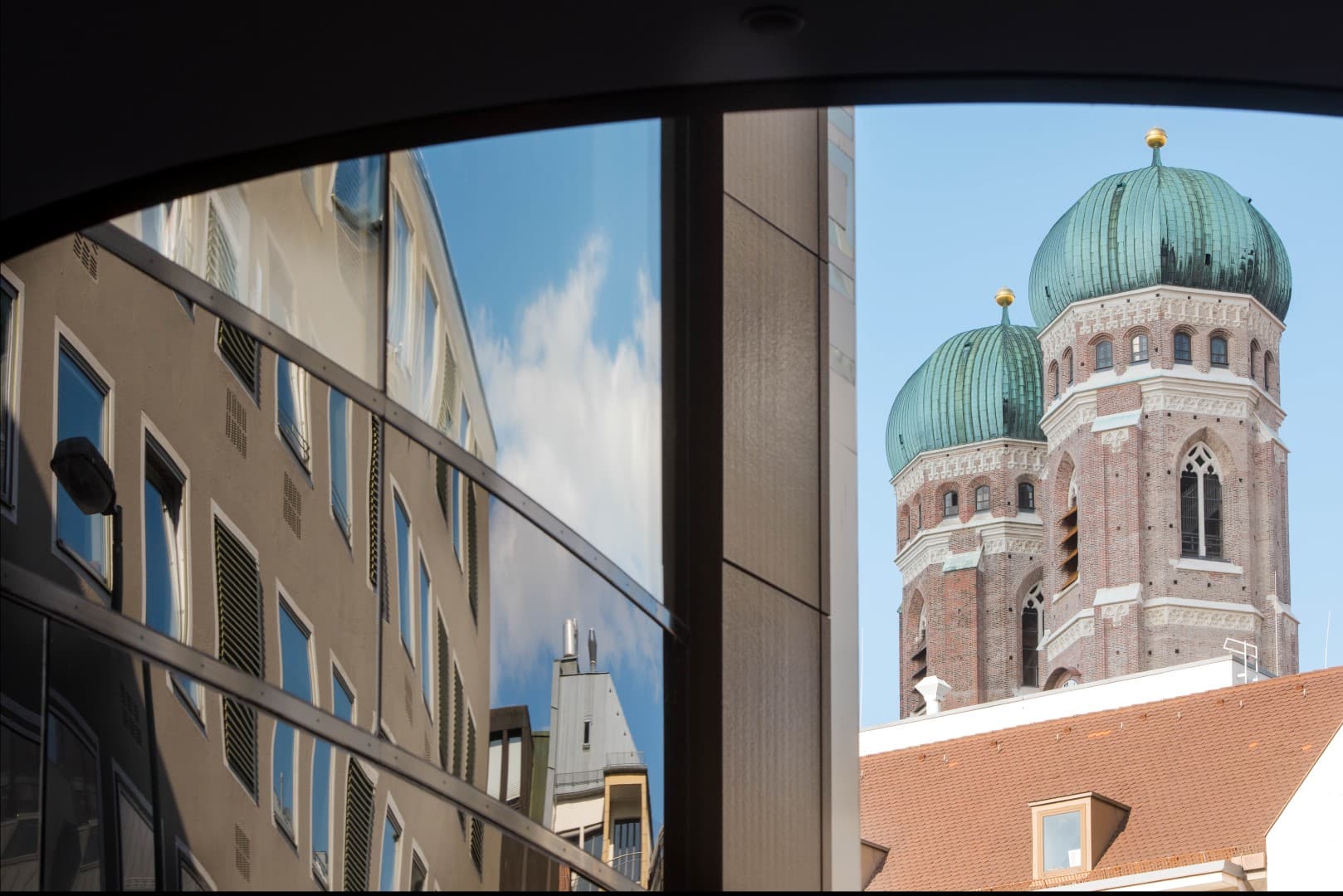

The major city ranking determines three different rankings: one for the current status quo of economic structure, quality of life, and the labor and real estate markets, one for expected future development, and a sustainability ranking. The ranking that measures the current success of German major cities is headed by Munich, as it was in the previous year. The state capital receives 66.9 points and is significantly ahead of Erlangen with 61.0 points, Stuttgart with 60.9 points, Ingolstadt with 60.4 points, and Frankfurt am Main with 59.2 points. Herne, Duisburg, and Gelsenkirchen in the Ruhr Valley are at the bottom of the ranking.
Major city ranking: Munich less successful in other categories
In the so-called dynamism ranking, which is intended to predict development over the coming five years, Munich has dropped from place ten to place 30. The decisive factors for this are high real estate purchase prices and rents as well as declines in economic structure. Mainz takes first place ahead of Berlin in second place and Erlangen in third place.
The sustainability index determines the economic, ecological, and social sustainability of German major cities based on 22 indicators and is aligned with the UN sustainable development goals. Munich loses five places here compared to the previous year and ranks in place 18. In the economics sub-category, the state capital lands in ninth place, still in the top ten. Wolfsburg, Ulm, and Heidelberg lead the sustainability ranking.