
Das Verfahren der Dialyse bei eingeschränkter Nierenfunktion ist schon lange allgemein anerkannt und wird erfolgreich angewandt. Eine vergleichbare standardisierte Behandlungsmethode für Patienten mit Lebererkrankungen gibt es derzeit noch nicht. Das Münchner MedTech-Unternehmen Hepa Wash ist momentan dabei, dies zu ändern und befindet sich dank jahrelanger Forschung und Entwicklung in der Markteinführungsphase eines neuen Geräts zur Leberdialyse mit dem Potenzial der Erweiterung zur Multiorganunterstützung.
Bereits Mitte der 90er Jahre entwickelte Dr. Bernhard Kreymann die Single Pass Albumin Dialyse (kurz: SPAD). Der spätere Hepa Wash Gründer war zu dieser Zeit am Klinikum rechts der Isar als Arzt auf der Intensivstation tätig. Schon damals war klar, dass die SPAD aufgrund des hohen finanziellen Aufwands und der Methodik auf Dauer keine zufriedenstellende Lösung darstellen könnte.
Auf Basis seines Chemiewissens, das sich Kreymann während Schule und Studium angeeignet hatte, machte sich der Leberspezialist während eines Urlaubs Gedanken, wie man die SPAD weiterentwickeln beziehungsweise das Verfahren revolutionieren könne, um es sowohl effektiver als auch kostengünstiger zu gestalten. Aus diesem Gedankenspiel wurde schnell konkrete Forschung und 2005 gründete Dr. Kreymann mit Hepa Wash zunächst ein Ein-Mann-Startup. Das erste Forschungslabor der Hepa Wash GmbH hatte seinen Sitz in Garching. Finanziert wird das Projekt vor allem von Privatinvestoren und der KfW Bankengruppe.
Die Methode
Wie funktioniert die neue Methode der Leberdialyse? Hepa Wash hat ein zertifiziertes Verfahren entwickelt, dass Patienten mit einer bestehenden Lebererkrankung über einen gewissen Zeitraum helfen soll, die Leber zu unterstützen und damit zu entlasten. Das ist vor allem wichtig, wenn ein akutes Ereignis, z.B. Infektion, auftritt.
Bei der Hepa Wash® Technologie wird der Patient mit dem Dialysegerät LK2001 verbunden. Das mit Giftstoffen belastete Blut wird an einer selektiven Membran vorbeigeleitet. Auf der anderen Seite der Membran fließt eine Reinigungsflüssigkeit (Dialysat), die mit Human-Albumin angereichert ist. Somit wandern wasserlösliche und eiweißgebundene Giftstoffe durch die Membran in die Reinigungsflüssigkeit und können entfernt werden. Eine solche selektive Membran ist notwendig, um möglichst nur Toxine zu entfernen und die für den Körper notwendigen Stoffe im Blut zurückzubehalten.
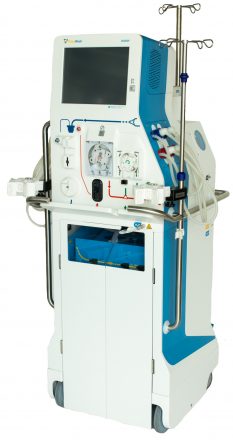
Das mit Giftstoffen beladene Dialysat wird anschließend in einem zweiten Kreislauf mittels pH und Temperaturveränderungen so aufbereitet, dass die Giftstoffe abgeschieden und entsorgt werden können (Hepa Wash® Kreislauf). Das gereinigte Dialysat wird erneut am Blut vorbeigeleitet, um weitere unerwünschte Stoffe zu entfernen. So kann die Menge an notwendigem Albumin in der Reinigungslösung geringgehalten werden. Ein wichtiger Unterschied zum SPAD-Verfahren.
Durch die Leberdialyse wird der Verbreitung von Giftstoffen im Körper und somit einem möglicherweise drohenden Multiorganversagen vorgebeugt. Für dieses Verfahren waren etliche Tests über viele Jahre hinweg erforderlich, um diverse Systemparameter wie Flussraten, Temperatur und Zusammensetzung der Reinigungsflüssigkeit zu optimieren.
Standort München liefert Personal
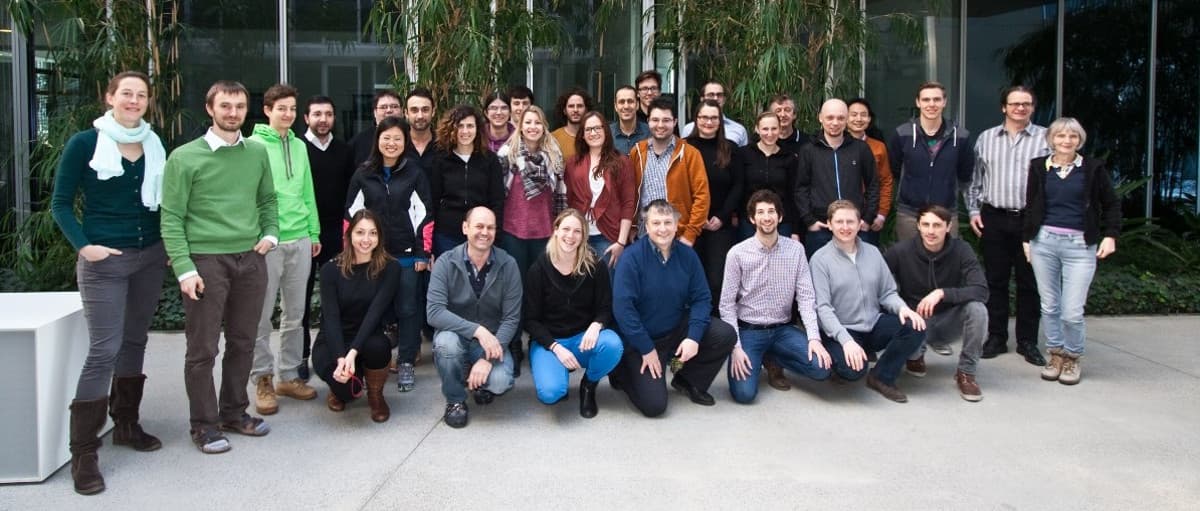
Die Nähe zu den Universitäten in München war und ist für Hepa Wash von entscheidender Bedeutung. Denn seit jeher beschäftigt das Unternehmen motivierte und kreative Studenten, die aktiv an Forschung und Entwicklung mitarbeiten. Eine Win-Win-Situation wie sie im Buche steht: die Studierenden lernen durch ihre Mitarbeit extrem viel dazu, die GmbH profitiert gleichzeitig von den vergleichseweise günstigen Arbeitskräften, die nach ihrem Studium eine reelle Chance auf Festanstellung haben. Ein Großteil der mittlerweile 30 Personen starken Mitarbeiterschaft besteht aus ehemaligen Studenten, die nach ihrem Abschluss weiterbeschäftigt wurden. Aktuell sind pro Semester zwischen circa 20-30 Studenten an dem Projekt beteiligt.
Seit 2008 hat das Unternehmen seine Räumlichkeiten im Münchner Technologiezentrum (MTZ) und vergrößert sich seitdem stetig. So wurden über die Jahre hinweg weitere Produktionsräume und Büros hinzugemietet. Auch das international aufgestellte Team befindet sich in einem kontinuierlichen Wachstum.
Derzeit arbeitet Hepa Wash mit ausgewählten Kliniken und Ärzten in Deutschland zusammen, um das Verfahren in der klinischen Praxis einzusetzen, weiter zu optimieren und den Markteintritt voranzutreiben. Zeitgleich laufen weitere Forschungs- und Entwicklungsversuche zum Thema Multiorganunterstützung.
Wir wünschen weiterhin viel Erfolg und alles Gute für den Markteintritt!