
This brings the total funding for the Munich defense startup founded in 2023 to 46 million euros. The round is led jointly by Armira and Nato Innovation Fund. Existing investors Visionaries Club, OTB Ventures, Lakestar, Magnetic, D3, and 10x Group are participating again.
Tytan develops AI-based interception systems for air defense. With the fresh capital, the startup plans to expand production in Germany, Ukraine, and other allied markets. The company also plans to accelerate the development of its systems and integrate them into various levels of modern air defense, including missile-based systems.
European air defense in transition
According to Tytan, the deployment of large quantities of low-cost drones is changing the requirements for existing air defense systems. In particular, attacks with numerous unmanned systems pose challenges to conventional defense systems. Tytan points to reports from Ukraine indicating that hundreds of drones are sometimes deployed per day. Defense solutions therefore need to be continuously available and in large quantities.
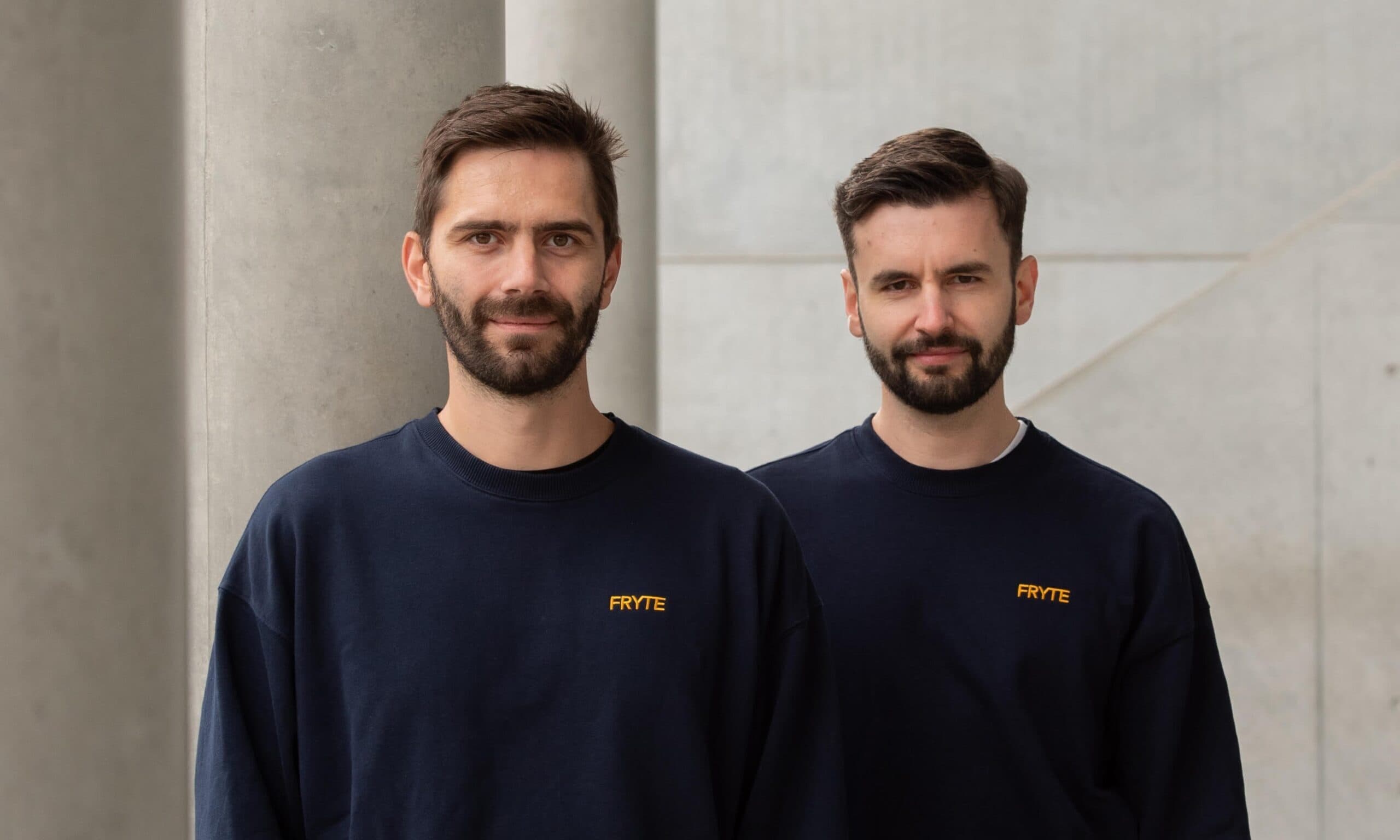
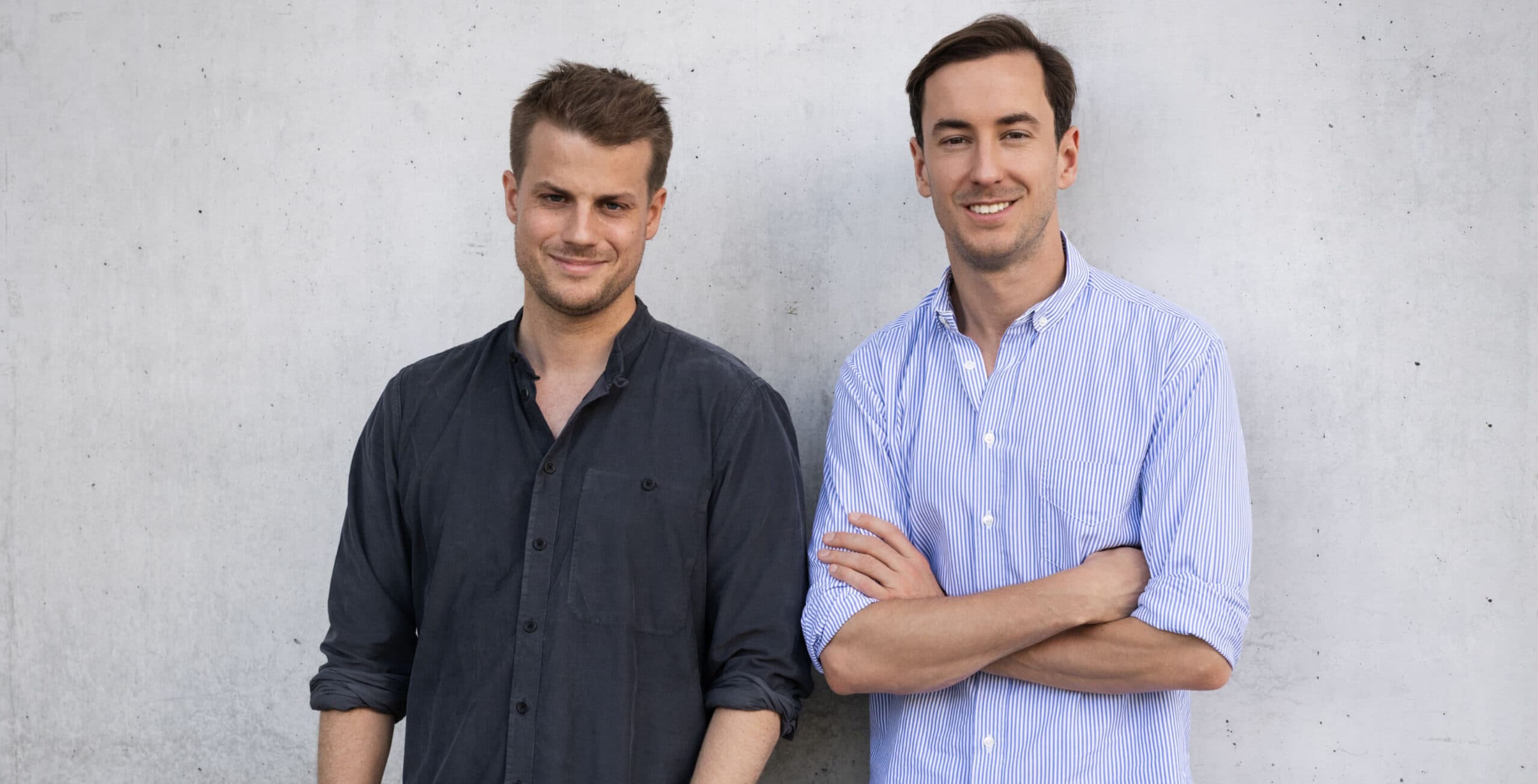
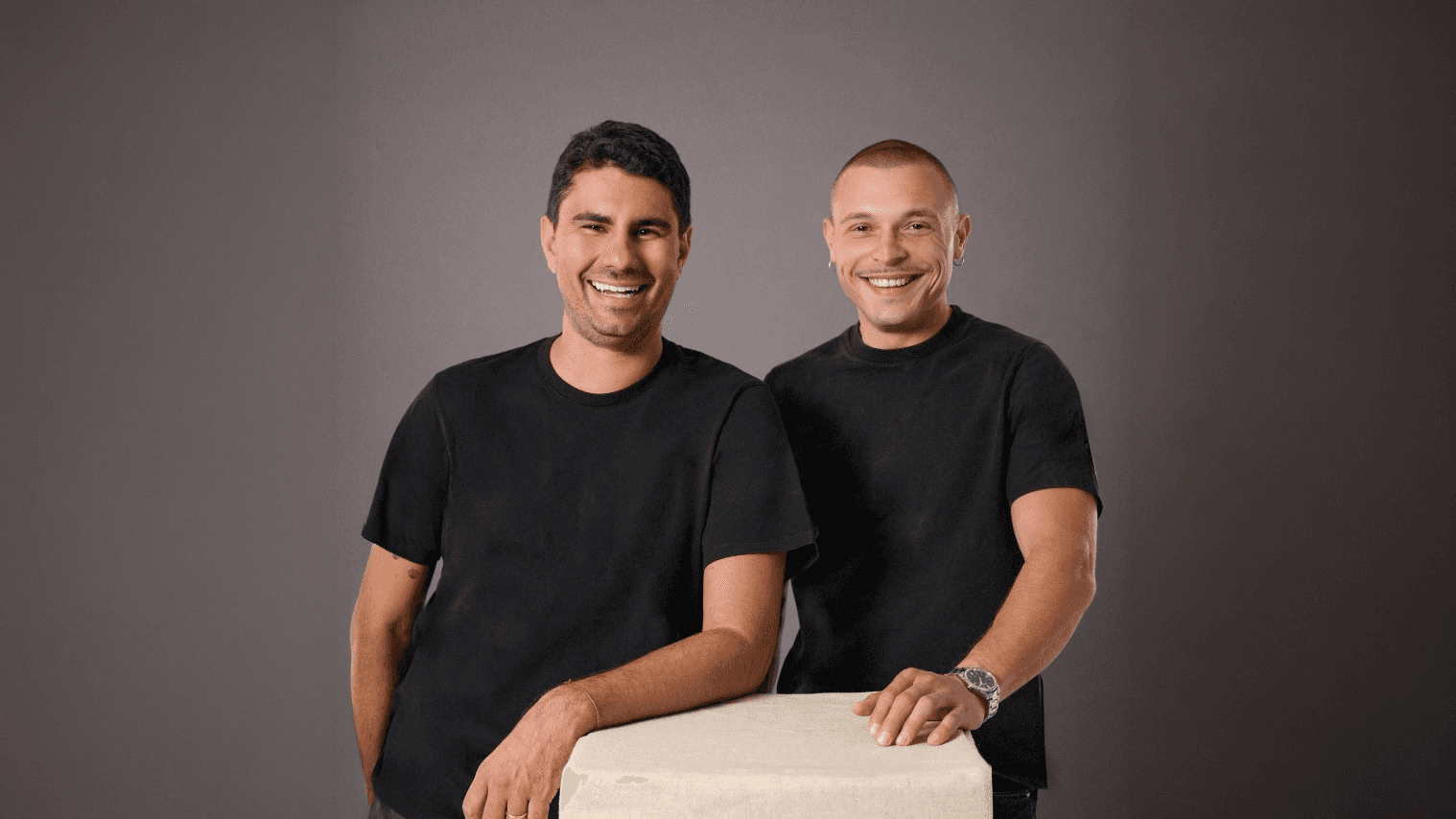
The two founders Balazs Nagy and Batuhan Yumurtaci comment as follows:
“Europe is experiencing a historic transformation in how air defense is conceived, produced, and deployed.”
The financing is intended to establish an industrial and technological base for a European, AI-supported air defense architecture. Patrick Schneider-Sikorsky, partner at the NATO Innovation Fund, also emphasizes the strategic importance of Tytan’s technology:
“(Tytan) closes a capability gap in defending against drone attacks and enables the protection of airspace, military bases, and critical infrastructure”.
Expansion of production and management
According to its own statements, Tytan has confirmed orders from Ukraine. The company has concluded several government contracts, including procurement agreements for the delivery of thousands of METIS interception drones to Ukrainian armed forces.
In Germany, Tytan works with the Federal Office for Equipment, Information Technology and Use of the Bundeswehr. The contract includes AI-based command and control systems to protect military facilities.
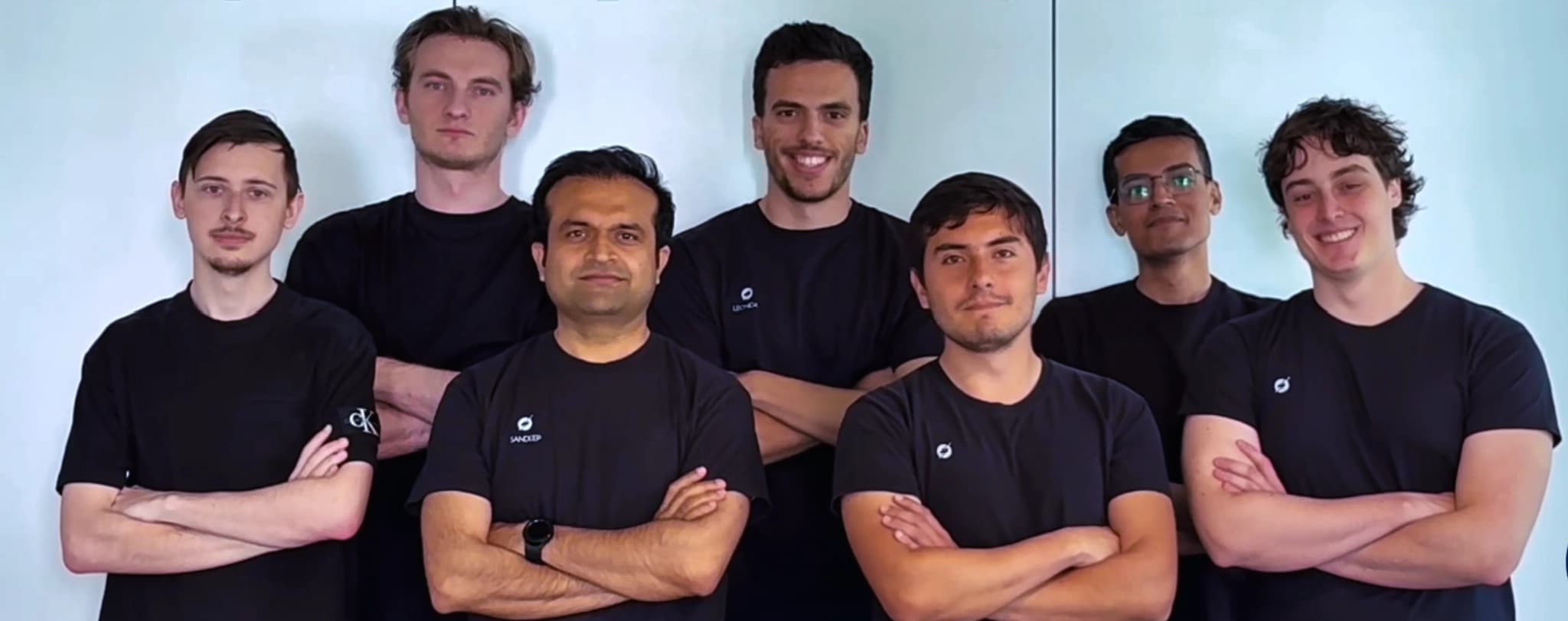
In parallel, the startup is expanding its management structure. Tahsin Kart is joining as Co-CEO. He previously served as CTO at Cyclotech and as a lead engineer at Roketsan Missiles. At Tytan, he will be responsible for industrial scaling. Former NATO General Chris Badia will serve on the company’s board. He sees in Tytan “a new generation of European defense companies with industrial scaling ambitions”.
With the current Series A round, the Munich startup is further expanding its industrial base. For the Munich startup ecosystem, the financing underscores the growing role of the region in security and defense-related technologies: With Tytan, a company founded in 2023 in the Bavarian state capital is developing security-relevant hardware and AI systems and building industrial capacity in Europe. The entire defense sector in and around Munich is thereby gaining further significance, along with the generally increasing number of deep tech startups.