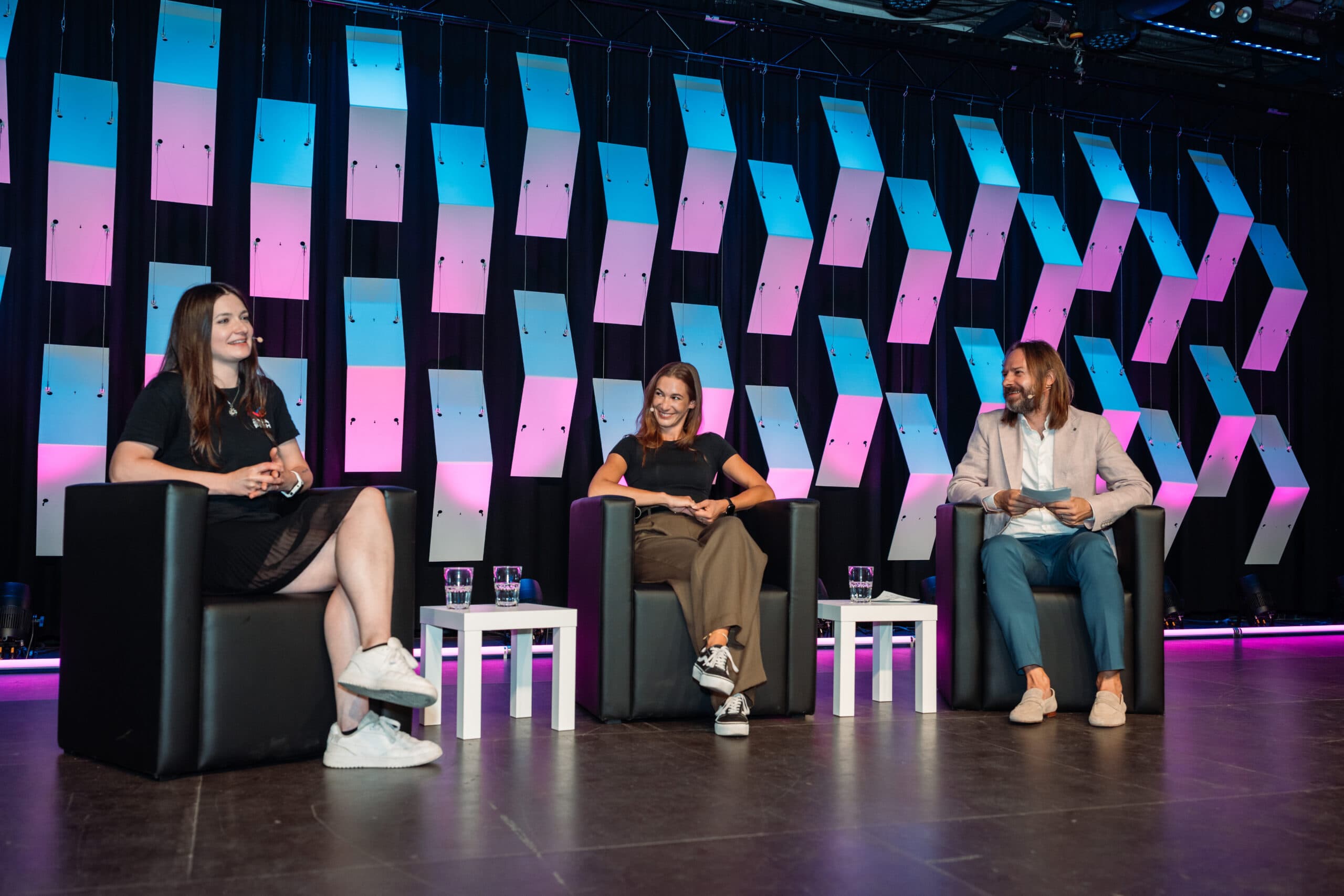
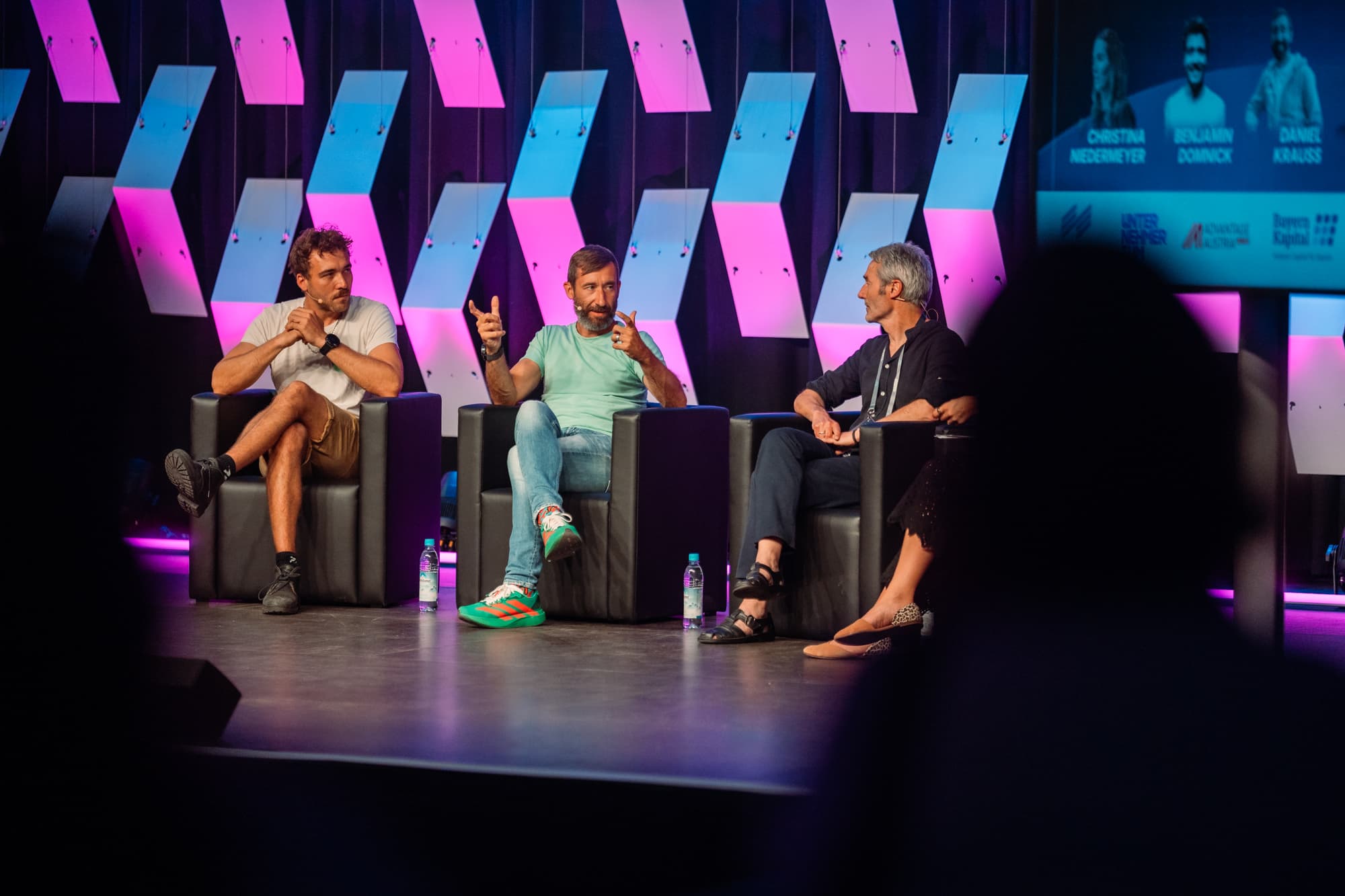
Germany is to be climate-neutral by 2045. To achieve this goal, both the energy and mobility sectors must be fundamentally transformed. Last Monday, experts from transport, energy, and technology discussed the factors to be considered at the Mobility and Green Energy Symposium.
The event was organized by the Digital Hub Mobility, which as part of the Digital Hub Initiative initiative launched by Bundesministerium für Wirtschaft und Klimaschutz brings together established companies from the energy and mobility sectors with innovation partners from the startup scene and academia. Bernhard Kalkbrenner, deputy director of the Digital Hub Mobility, explained:
“We see ourselves as innovation drivers for sustainable mobility in Germany and want to accelerate the transformation towards more sustainable mobility.”
Greater flexibility in the energy system
In the first part of the event, panelists addressed the challenges posed by fluctuating power generation from renewable energy sources on one hand and new consumers such as electric vehicles and heat pumps for grid capacity on the other. It became clear that grid overload can only be avoided with flexible solution approaches. The potential of home storage systems and electric vehicles, which can also act as storage and energy producers, should be activated early and utilized for the energy market. Creating appropriate incentive and automated control systems for this could be a promising field for startups from the experts’ perspective.
The development of charging infrastructure for an electrified transport sector also offers significant opportunities for innovative solutions according to the second discussion round – both in the area of vehicles and charging options and grid connection. The technical challenges are all solvable, but
“To be able to implement the regulatory targets, the market needs to take off from 2025,”
said Johanna Beer, Head of Strategy E-Mobility at Siemens. For this to happen and especially for young companies to literally get their innovations on the road, significant bureaucratic reduction is necessary, as Beer emphasized:
“We need the courage to just do it.”
Digitally connecting producers and consumers
Digitalization plays a major role in implementing the energy transition, which the third panel of the event focused on. Intelligent energy management systems that connect all hardware and software components and whose algorithms optimize consumption could be a real game changer here. Furthermore, the experts noted that the problem often lies not in individual technical solutions but rather in the interfaces between the individual systems of providers, producers, and consumers. Startups could also fill these gaps. However, it is even more important to explain the paradigm shift in the energy sector to consumers in an understandable way. Only this way can meaningful changes reach the broader public. Sophia Roediger, CMO for the DACH region at 1Komma5Grad, summarized it this way:
“We too often speak at a meta level. We help end customers most when we make it really concrete: What can I do at home? And we need to put a positive spin on that.”
One thing all participants could agree on: for the energy transition to succeed, the transport, energy, and technology sectors must work together and integrate innovative, digital solution approaches.
To conclude the symposium, several startups presented concrete real-world use cases with their pitches. Arthur Bus represented the Munich ecosystem. Its team has developed an emission-free hydrogen bus that stands out from similar vehicles through its low fuel consumption and cost efficiency.