
Large enterprises often use well over a hundred different HR systems that barely communicate with one another. This leads to long waiting times, high costs, and low transparency across the entire process—from hiring new employees to their departure. Point-solution AI tools do not solve this problem, as they lack an overview of the entire process.
Instead of adding yet another single-purpose tool, Ahron is building a layer that sits on top of a company’s existing HR system landscape. This layer makes processes transparent, accelerates them, and ensures that all AI agents operate according to the same rules. This allows AI agents to truly take on end-to-end HR tasks—from collecting feedback from hiring managers to reviewing payroll, right through to completely handling the onboarding of new employees.
More Than One Million Euros in ARR Since the Beginning of the Year
For a startup founded only at the end of 2025, its early commercial traction is particularly striking. Ahron states that it has already achieved more than one million euros in annual recurring revenue (ARR) since the beginning of 2026 and won customers in Europe as well as the US.
With the fresh capital, the startup primarily intends to further develop its central orchestration layer and drive international expansion forward. The 2.2 million euro financing round is led by Cusp Capital. In addition, super angels and business angels from the HR sector are participating, including Sabine Kohleisen, who was a member of the Board of Management of Mercedes-Benz Group responsible for Human Resources and Labor Director until 2025.
Celonis Process Intelligence provides context for the AI agents
Technologically, Ahron relies on a partnership with the software company Celonis, which is also rooted in Munich. According to the company, Ahron is an official Celonis partner and was natively developed on its technology stack.
With the help of process intelligence, a digital twin of actual HR processes is to be created first. The data for this comes from existing enterprise systems. Based on this, it is possible to analyze where automation makes sense and what process context an AI agent requires. Celonis also describes its own Process Intelligence Platform as the foundation for a dynamic digital twin of operational processes.
This approach is crucial for Ahron’s positioning, as AI agents are not meant to merely handle tasks within isolated applications, but rather track and execute a process across different systems.
Governance aims to make AI agents in HR controllable
In addition to process automation, Ahron therefore relies on a centralized control layer. This is intended to allow companies to define rules, permissions, and guardrails under which AI agents operate. The platform includes policy checks, human-in-the-loop checkpoints, and action logging, among other features.
In human resources in particular, systems process sensitive information such as personal employee data, compensation details, and applicant data. Ahron is therefore positioning its control layer not merely as technical orchestration, but also as a tool for traceable and rule-based AI processes.
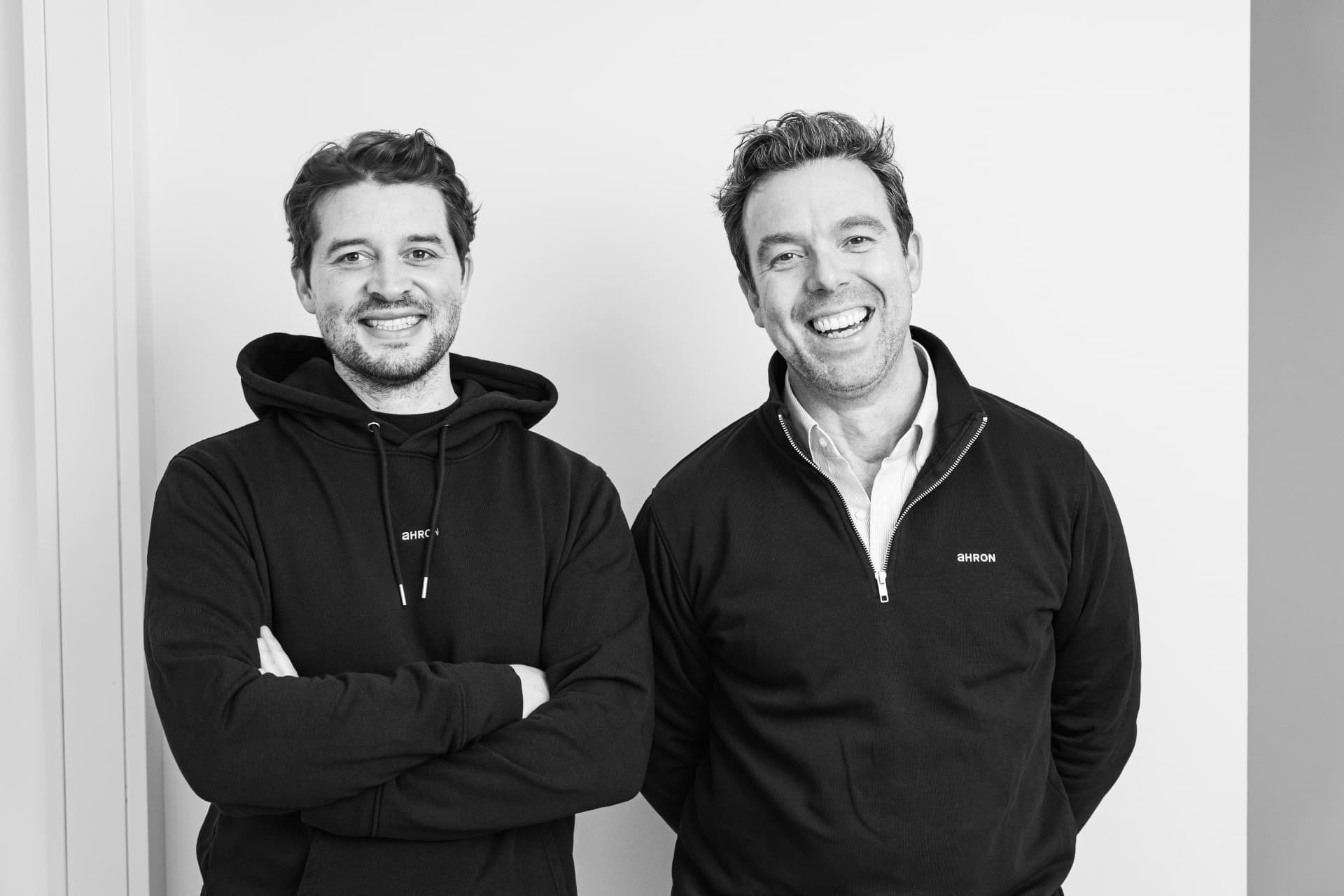
“Human resources is a particularly sensitive area. When AI agents act autonomously here, they need clear frameworks and guidelines to ensure they always operate in full compliance with regulations. That is precisely what our platform enables: companies can define and manage these frameworks and policies centrally for the entire HR department—equally for every process and every agent,”
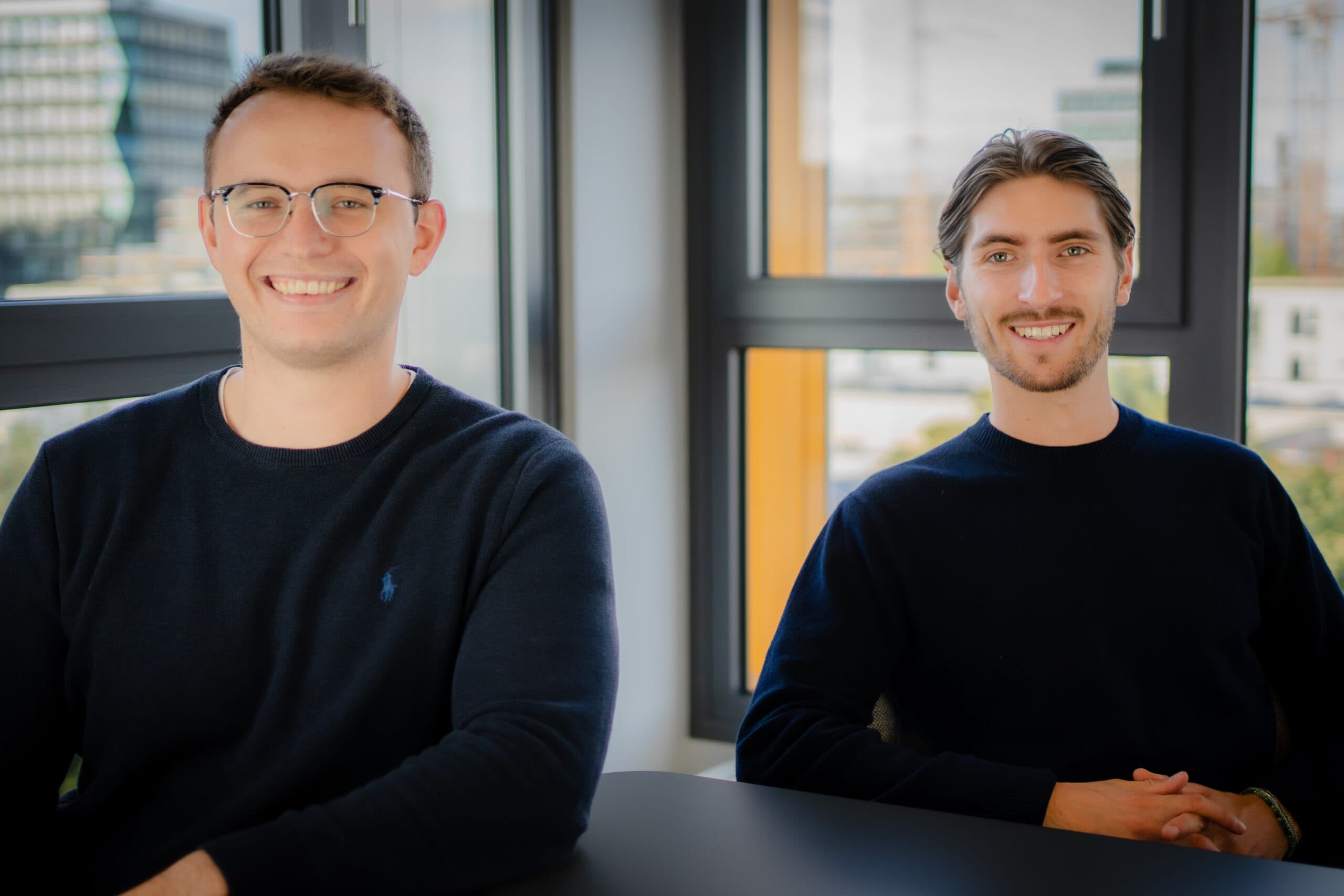
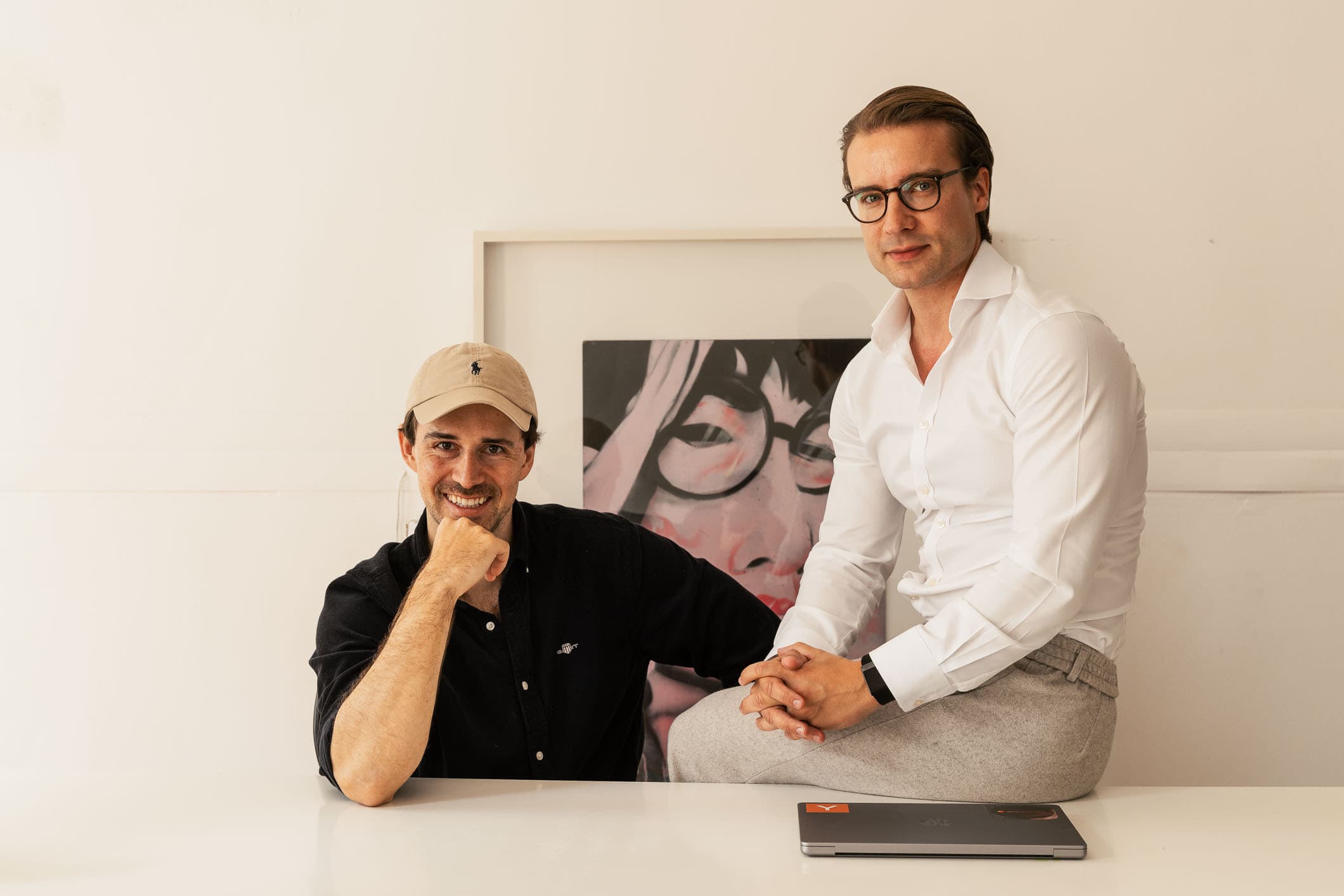
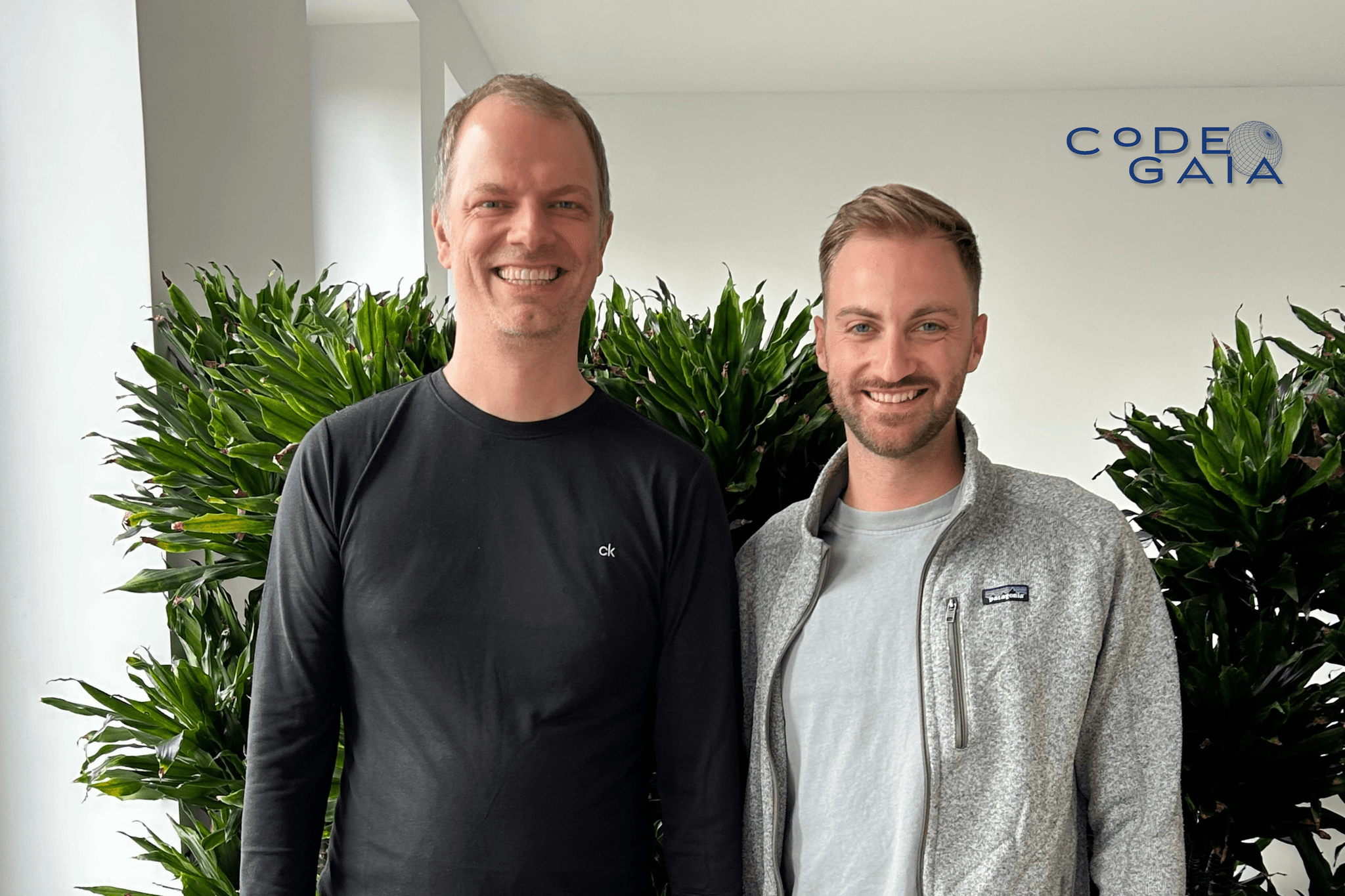
says co-founder and COO Rado Pavlov, and co-founder Carl Hoffmann adds:
“Our customers don’t measure success by how many AI agents they’ve deployed. They measure it by what truly matters: faster processes, noticeably lower costs, and HR teams that can dedicate their bandwidth to where they genuinely create value—in leadership, development, and corporate culture. That is the benchmark that guides us at Ahron.”