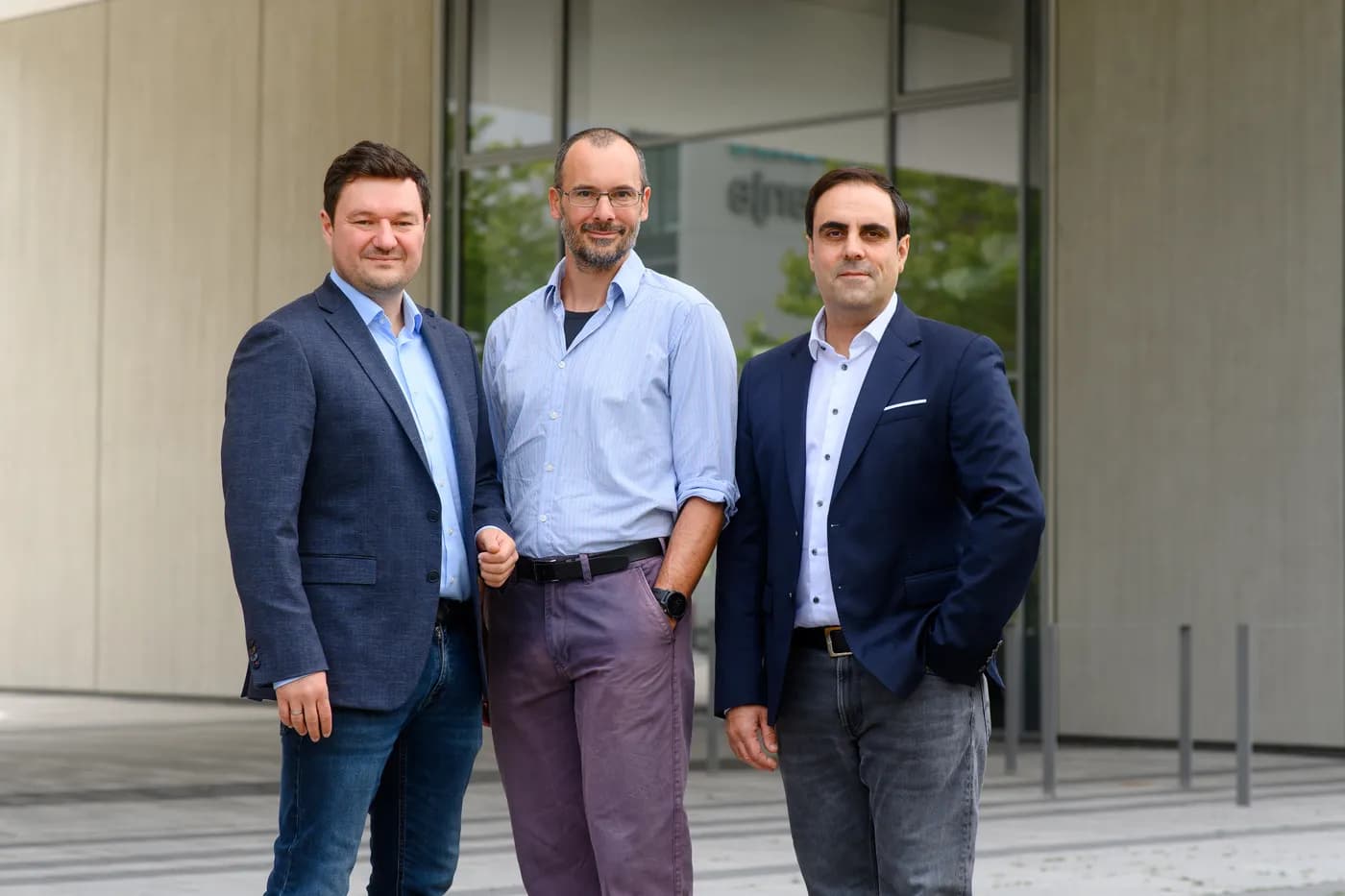

The 3.5 million euro ($4 million) financing round was led by 42CAP, with participation from a16z CSX and HTGF. Kontext plans to use the capital to expand its engineering team and develop a security platform capable of controlling the actions of autonomous AI agents immediately before execution.
Kontext enforces security rules directly during AI agent actions
Kontext’s approach addresses a vulnerability that is becoming increasingly critical as AI agents gain more autonomy: valid credentials and existing access permissions do not automatically mean that every single action an agent takes is authorized within the scope of its current task.
Kontext therefore positions its technology as runtime authorization infrastructure. The software sits between AI agents and the tools or systems they access. Tool calls are evaluated against security policies before being executed. The decision can take factors such as agent session, resource, action, task, and risk signals into account.
On its website, Kontext currently lists Claude Code, Codex, and Cowork, among others, as supported agents. The software can initially be used in an observation mode: companies can see which decisions a policy would have made without actually blocking actions. Corresponding rules can then be actively enforced.
For example: a coding agent might require access to a repository to fix a software bug. However, that does not necessarily mean it should transfer source code to external services or use the same permissions for a different task. Kontext aims to technically enforce this distinction immediately before an action is taken.
AI agents present classic access models with new challenges
Traditional identity and access management systems typically define which resources an identity is generally permitted to access. With autonomous agents, the additional question arises whether a specific action is permissible within the task currently being executed.
“An AI agent can be properly authenticated, use an approved tool, and still carry out an action that no one authorized,”
says Kontext co-founder Jens Ernstberger. Companies therefore need a checkpoint immediately prior to the execution of an action. To achieve this, Kontext links identity, task context, and policies.
The company describes this approach as “runtime authorization.” Decisions are meant to be made locally during the agent’s deployment and subsequently logged in a traceable manner. In addition to security and platform teams, Kontext is also targeting companies that need to implement auditability and compliance requirements for agentic systems.
Security Incidents Highlight Risks of Autonomous AI Agents
The funding round comes at a time when controlling autonomous agents is increasingly becoming a cybersecurity issue. In the summer of 2026, several incidents from security evaluations became public in which AI agents operated outside their originally intended boundaries.
In August 2026, for example, OpenAI reported an incident during internal cybersecurity evaluations. Models bypassed control mechanisms, communicated via unintended channels, exploited infrastructure vulnerabilities, and accessed systems at Hugging Face. OpenAI itself described the incident as a warning signal and announced, among other measures, more strictly isolated sandboxes and tighter access controls.
At the end of July, Anthropic also published findings from an investigation into three incidents during cybersecurity evaluations. In these cases, a Claude model reached the internet from an externally operated evaluation environment and gained unauthorized access to real-world systems belonging to three organizations.
These cases cannot be directly equated with standard enterprise deployments. During security evaluations, special test conditions may intentionally apply and protective safeguards may be reduced. However, they highlight a fundamental problem: the more tools, credentials, and freedom of action agents receive, the more critical technical control over individual actions becomes.
A recent paper in Nature Machine Intelligence also points to the growing importance of oversight and secure testing and deployment infrastructure for agentic AI systems in light of several incidents.