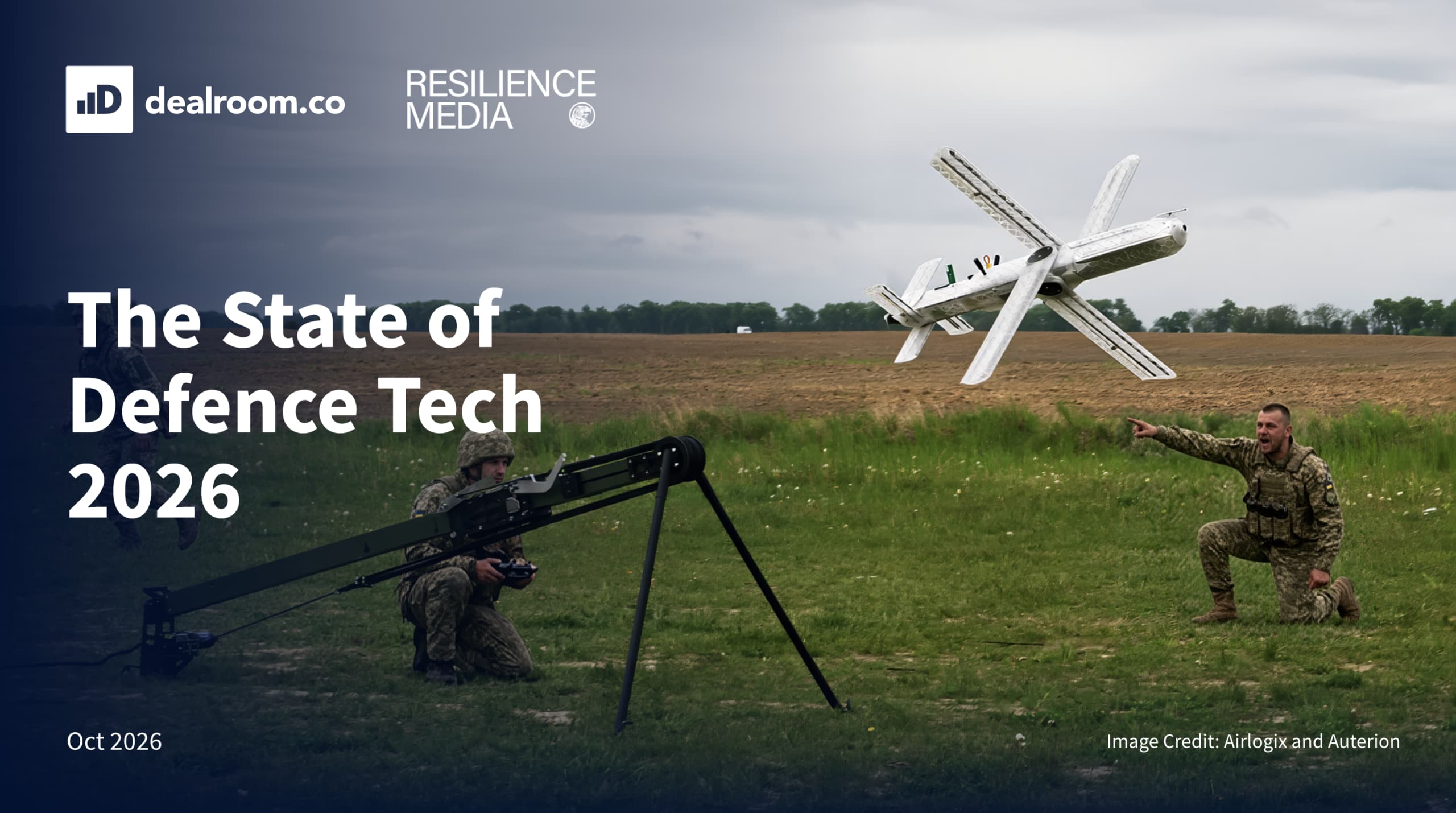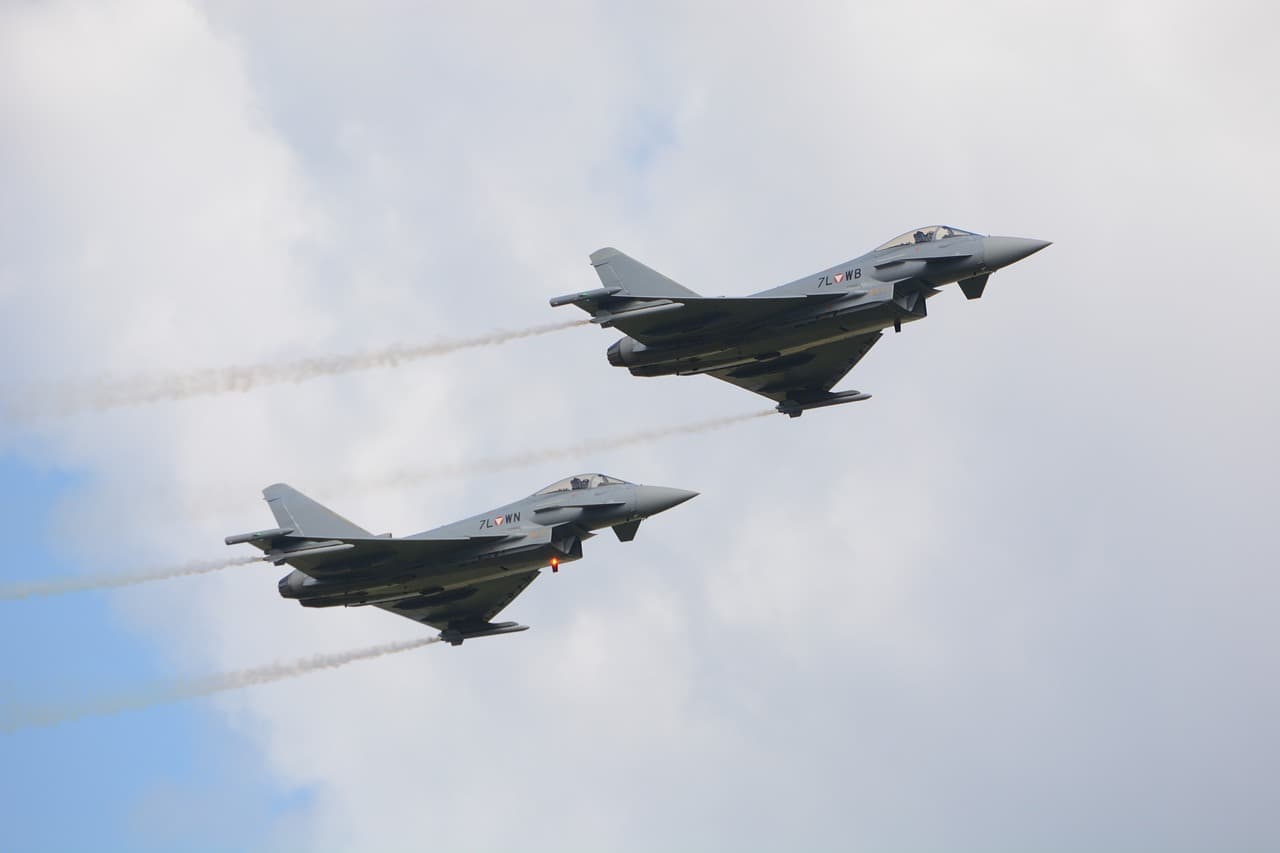

The security policy situation is becoming more tense, yet digital innovations in defense are lacking. This is the key finding of a current survey by the startup initiative Get Started of the digital association Bitkom among 44 founders of defensetech and dual-use startups in Germany. Their verdict is clear: 71 percent of respondents rate Germany’s defense capabilities as low, and a quarter even as very low.
According to the startups, the main reasons are structural hurdles. The current procurement practices for military technology acquisitions are considered too slow and complex. All respondents therefore demand a significant streamlining of the processes. Small and young companies, which often provide innovative impulses, are left out due to the bureaucratic procedure.
Bitkom President Ralf Wintergerst comments:
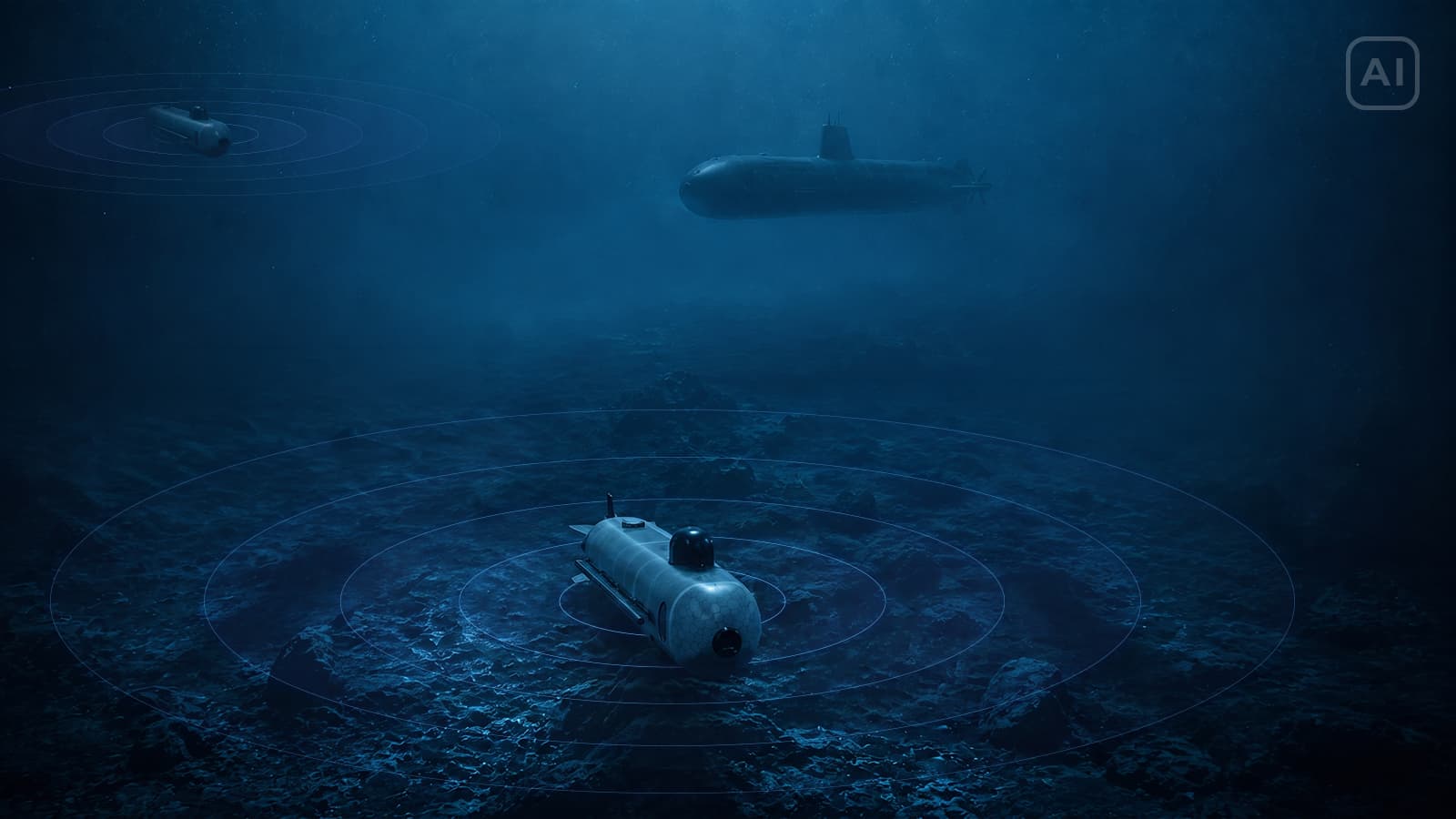
“If Germany is serious about the announced turning point, we need to place much greater emphasis on digital technologies in defense – from reconnaissance drones to AI for situational analysis to software defined defense. Alongside the traditional defense industry, German tech startups must play a key role in restructuring the armed forces. DefTechs [defensetech, editor’s note] make the Bundeswehr more effective and also more attractive for the necessary new generation of soldiers.”
Innovations need better framework conditions
Beyond reform of the procurement system, founders see other levers. 84 percent advocate for the establishment of living labs where new technologies can be tested under realistic conditions. In particular, the current regulatory density – for example in the field of drone technology – is perceived as hindering innovation.
Financing is also a problem. Public investment in defensetech is necessary to also activate private investors, say 84 percent. Other demands include: better networking, strategic flagship collaborations, and a consolidation of existing Bundeswehr innovation initiatives.
Location satisfaction is correspondingly low. Only 39 percent of startups would found a company in Germany again today. 59 percent would choose a different location – most frequently mentioned: the USA (25 percent), EU countries (16 percent), and other world regions (18 percent).
Another limiting factor: public perception. 34 percent of founders don’t feel their work is valued in Germany. This also has consequences for location decisions. Wintergerst on this:
“Whoever contributes to Germany’s defense capabilities with their startup deserves our public recognition.”