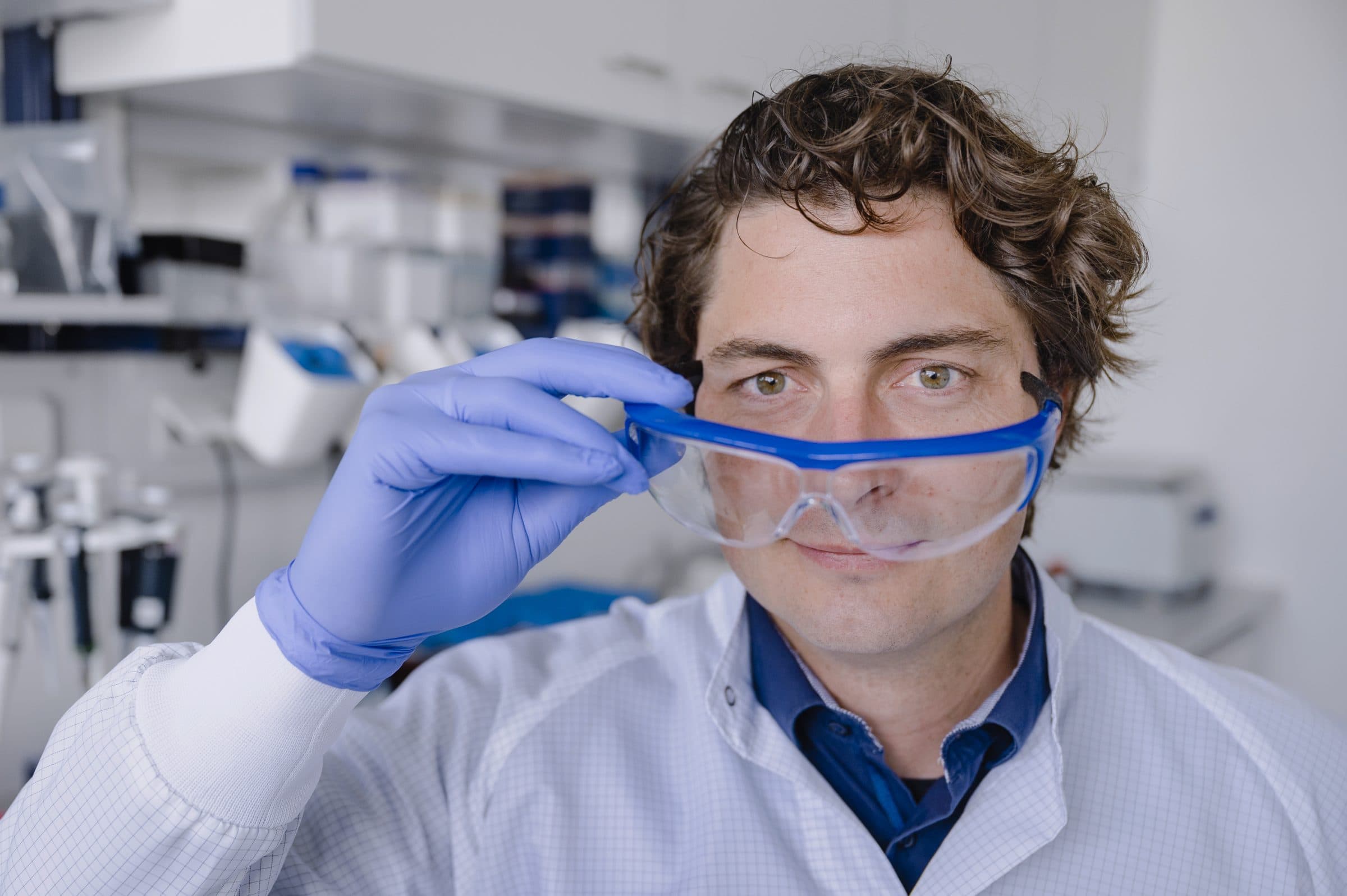

Eisbach Bio is working on a new class of cancer medications. These use specific molecules to intervene in the internal mechanisms of cancer cells and block their function. This makes it possible to particularly fight tumors that are resistant to conventional treatments because their genome is constantly changing. This engagement is worth €4.2 million (US$4.5 million) to the Cancer Focus Fund.
“Eisbach’s distinctive and scientifically sophisticated approach to treating common, difficult-to-treat cancers aligns perfectly with our goals at the Cancer Focus Fund”,
says Ross Barrett, founder and managing partner of the Cancer Focus Fund.
Eisbach Bio launches clinical trial
The US investment fund was created in collaboration with the MD Anderson Cancer Center at the University of Texas (MD Anderson) to advance promising cancer therapies. The investment is intended to finance a phase 1/2 clinical trial of Eisbach Bio’s leading candidate EIS-12656. The startup plans to conduct the trial for the treatment of refractory advanced solid tumors at MD Anderson.
On the investment, Barrett says:
“We want to support innovative young companies like Eisbach in rapidly bringing unusually promising new cancer drugs into clinical testing with the help of MD Anderson’s experienced researchers and clinicians. EIS-12656 has demonstrated the potential to treat many recurrent and refractory tumors more effectively and with fewer side effects than current therapies, and we look forward to following the progress of this exciting first-in-class drug in clinical development. We are also excited to expand our geographic reach with this first investment in a biotech company based in Germany and its rich history of biomedical innovation.”
Dr. Andreas Ladurner, founder and chief scientific officer of Eisbach as well as professor and chair of physiological chemistry at Ludwig Maximilian University Munich, comments:
“Most cancers contain mechanisms for genome reorganization that play a crucial and very specific role in tumor biology. When we figure out how each of these vital mechanisms is selectively regulated, we can exploit unique molecular vulnerabilities. This approach is very promising for the discovery of new cancer drugs that are both selective and safe.”