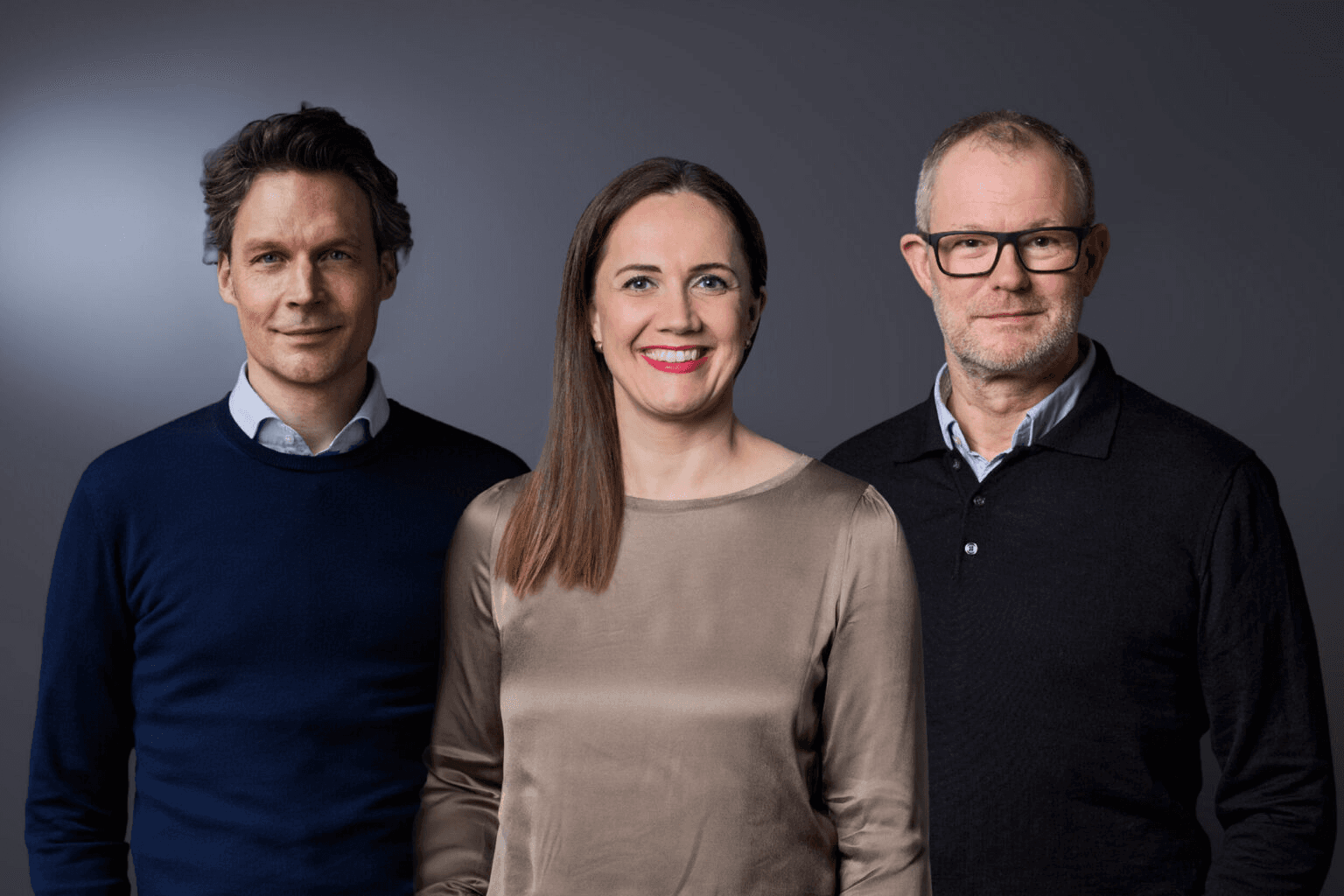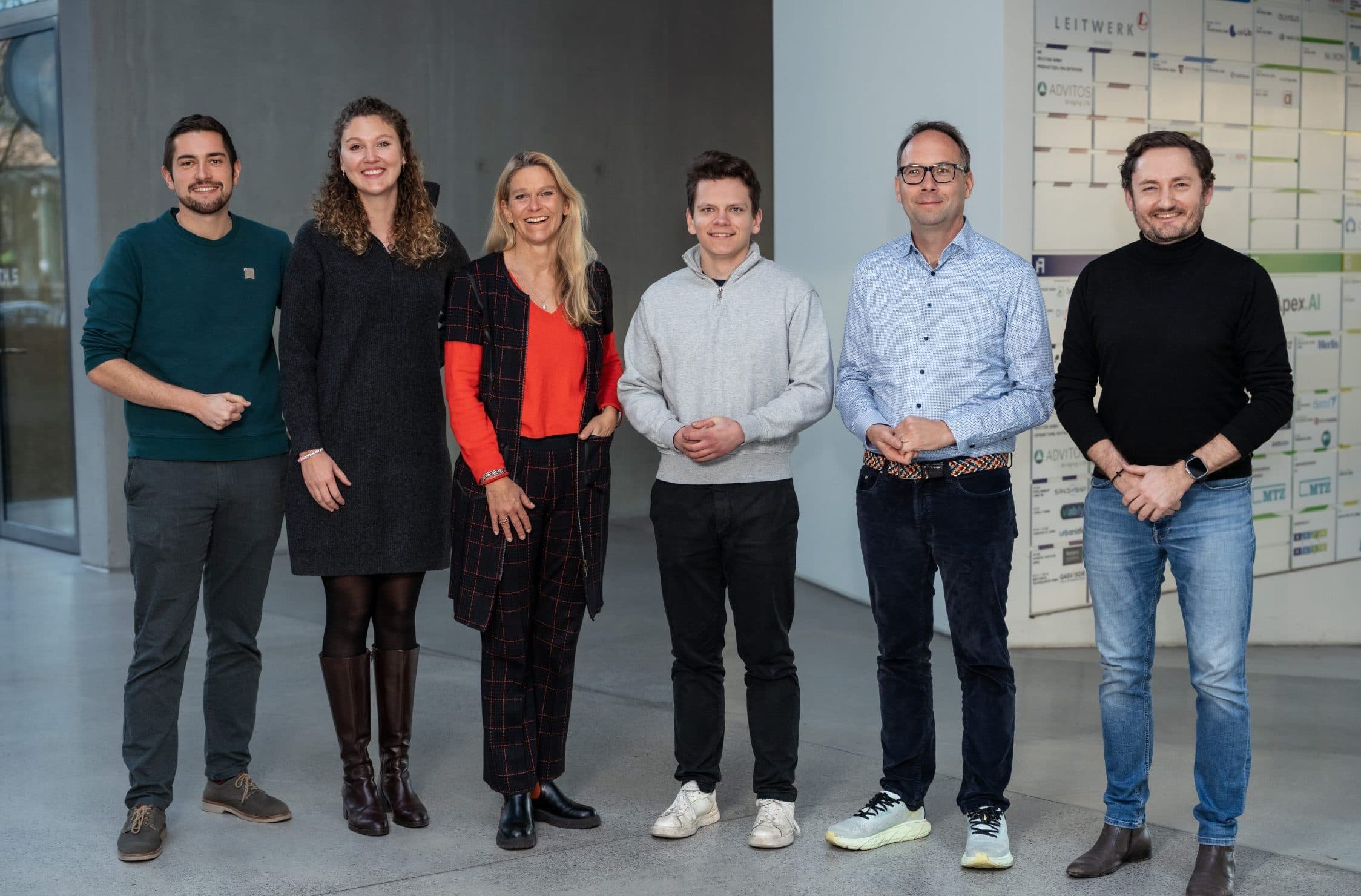

The advisory board supports Munich Startup in bringing relevant stakeholders closer to the platform, further developing reach and content, and expanding networking throughout the ecosystem. Additionally, the board serves in an advisory capacity when integrating key stakeholders from universities, industry, and the middle market, particularly in the context of Munich’s entrepreneurship strategy and formats such as the Munich Startup Festival.
Arno Eggers, head of Munich Startup, explains the establishment of the advisory board:
“The Munich startup ecosystem is currently in a phase of transformation. With the advisory board, we ensure that our offerings and support for founders are continuously developed and that both Munich Startup and the Munich location as a whole remain relevant.”
Five experts from the startup ecosystem
The advisory board comprises five members from different areas of the startup ecosystem. For the 2026/2028 term, Flora Geske, Darius Göttert, Svenja Lassen, Matthias Notz, and Robert R. Richter were appointed.
The board meets at least three times per year. The focus is on current developments in the ecosystem, analysis of platform data, Munich Startup’s strategic direction, and the preparation of events and competitions.
Perspectives from the investment industry and startup hubs
Svenja Lassen, journalist and business coach, brings particularly the perspective of business angels and investors to the board’s work:
“A strong startup ecosystem thrives on diverse perspectives that create impact together. On the board, I bring the perspective of business angels and investors and am committed to greater diversity, better access to capital, and closer collaboration among all stakeholders.”
For her, the board would be successful “when diverse teams have better access to capital and Munich continues to gain strength as an open, well-connected, and future-ready startup location.”
Robert R. Richter, CEO of Werk1, also sees the added value of the board in its proximity to operational practice. He brings the perspective of a startup hub, Werk1, with direct insight into the challenges faced by founders, teams, and investors. The goal is to make concrete hurdles visible and eliminate them—such as those related to bureaucracy, internationalization, financing, and talent acquisition.
Richter emphasizes that Munich has the opportunity to position itself as a European scaleup city. From his perspective, the board’s success is demonstrated by measurable changes: faster processes for founders, more international teams at the location, better access to capital, and closer integration of key actors in the ecosystem.
Context and outlook for 2026
With the establishment of the advisory board, Munich Startup creates an additional structure to align the further development of the portal and the Munich startup ecosystem more closely with current needs. In a phase where the framework conditions for founders, investors, and support structures are changing noticeably, the board should provide guidance and deliver strategic momentum.