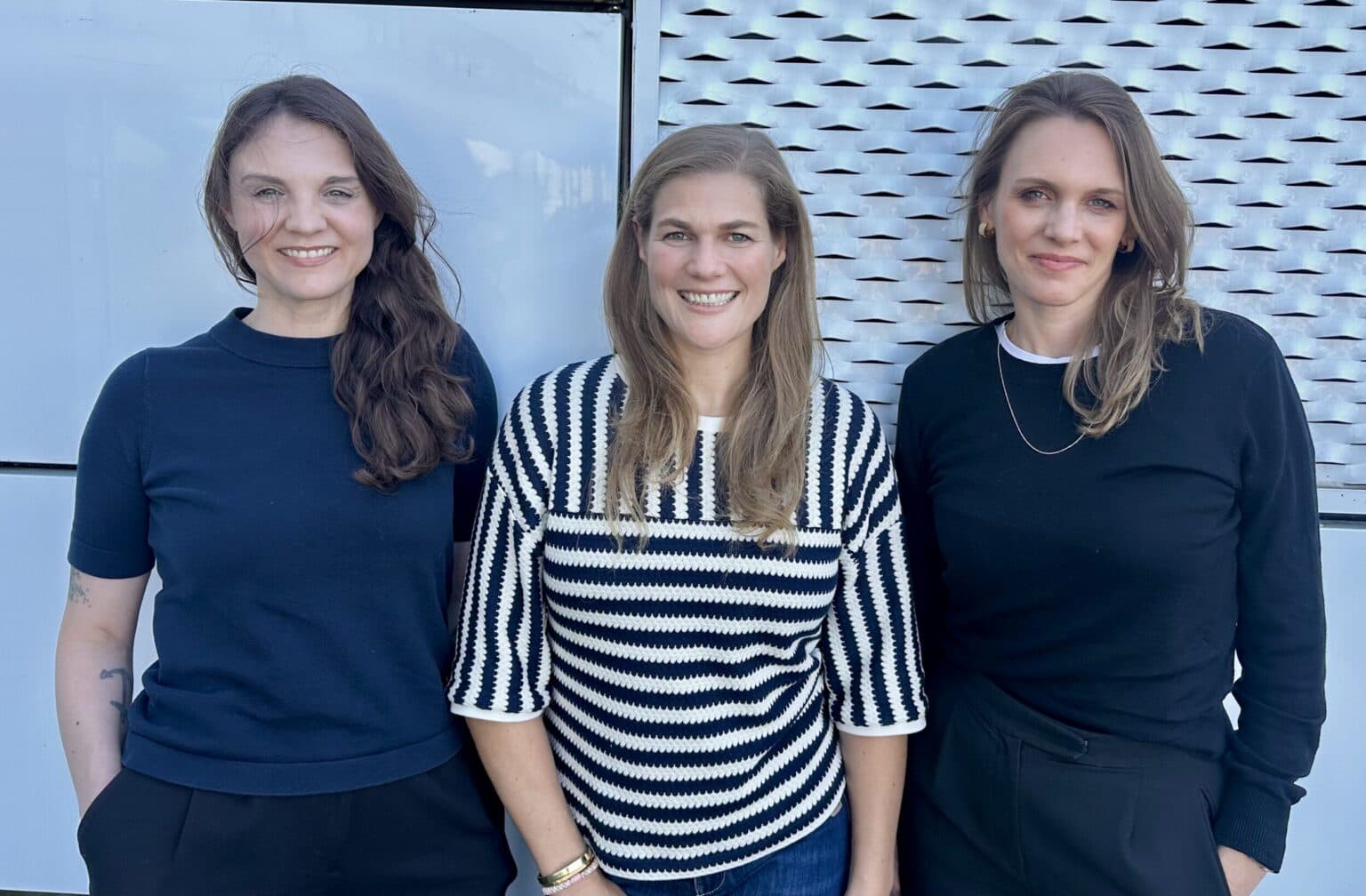

Extreme weather, geopolitical shifts, and fluctuating crop yields are complicating raw material procurement for food manufacturers. Often, the issue is not a lack of information about potential bottlenecks, but analyzing it in a timely manner and translating it into concrete purchasing decisions. This is precisely where Finches comes in: The startup connects internal company data with external sources of information and uses artificial intelligence to detect risks early and highlight actionable options.
The platform is designed to enable procurement teams to identify alternative regions of origin, adjust procurement schedules, or modify production plans before supply bottlenecks arise.
HTGF, Vanagon Ventures, and Bayern Kapital Invest in Finches
The 2 million euro pre-seed round is led by High-Tech Gründerfonds (HTGF). Vanagon Ventures is participating as a co-lead investor. Bayern Kapital has also joined the investor group.
Existing investors, including UnternehmerTUM Funding for Innovators and other business angels from the industrial and tech sectors, are once again participating in the financing.
Finches intends to use the funds primarily to further develop its AI technology and expand sales, making the solution accessible to more companies in the food industry.
Anna Stetter, Investment Manager at HTGF, explains:
“Finches addresses a key challenge of our time: resilient global agricultural supply chains in an environment shaped by climate change and geopolitical shifts.”
AI Combines Satellite Data, Weather Analyses, and Supplier Information
Finches’ technological approach involves bringing together diverse data sources for agricultural procurement. These include internal company information on suppliers, cultivated areas, and contracts, as well as external weather data, satellite analyses, local news, and scientific insights.
In addition, the platform incorporates reports from agronomists working directly in the growing regions.
Based on this information, the system generates early warnings, identifies affected regions and supply chains, and derives concrete recommendations for procurement teams.
For example, food manufacturers can identify early on when drought threatens the expected harvest yield in a particular growing region. Rather than only reacting when an actual supply failure occurs, they can evaluate alternative sources or adjust their purchasing strategy.
Linking risk analysis to operational purchasing decisions is key here. Finches not only aims to make potential problems visible, but also to help companies secure the volume, quality, and economic efficiency of their raw material supply.
Drought Summer of 2026 Highlights Risks for Agricultural Supply Chains
How relevant early risk detection can be for food manufacturers is demonstrated, according to Finches, by the drought summer of 2026.
Catharina van Delden, CEO and co-founder of Finches, says:
“The drought summer of 2026 showed that Europe’s food manufacturers can no longer rely on getting their raw materials in the quantity and quality they need every year. This turns raw material purchasing into a matter of security of supply.”
The problem lies particularly in the time gap between early warning signs and concrete procurement decisions. Information about impending crop failures is often available weeks in advance, but reaches the responsible teams too late.
Finches aims to close this information gap. This is intended to give companies more time to tap into alternative sourcing regions, buy raw materials earlier, or reschedule their production.
For the food industry, such data-driven procurement could gain in importance given increasing weather risks and complex international supply chains. However, based on the information published so far, it is not yet possible to assess how reliably the early warnings work in practice and what economic benefits they deliver.