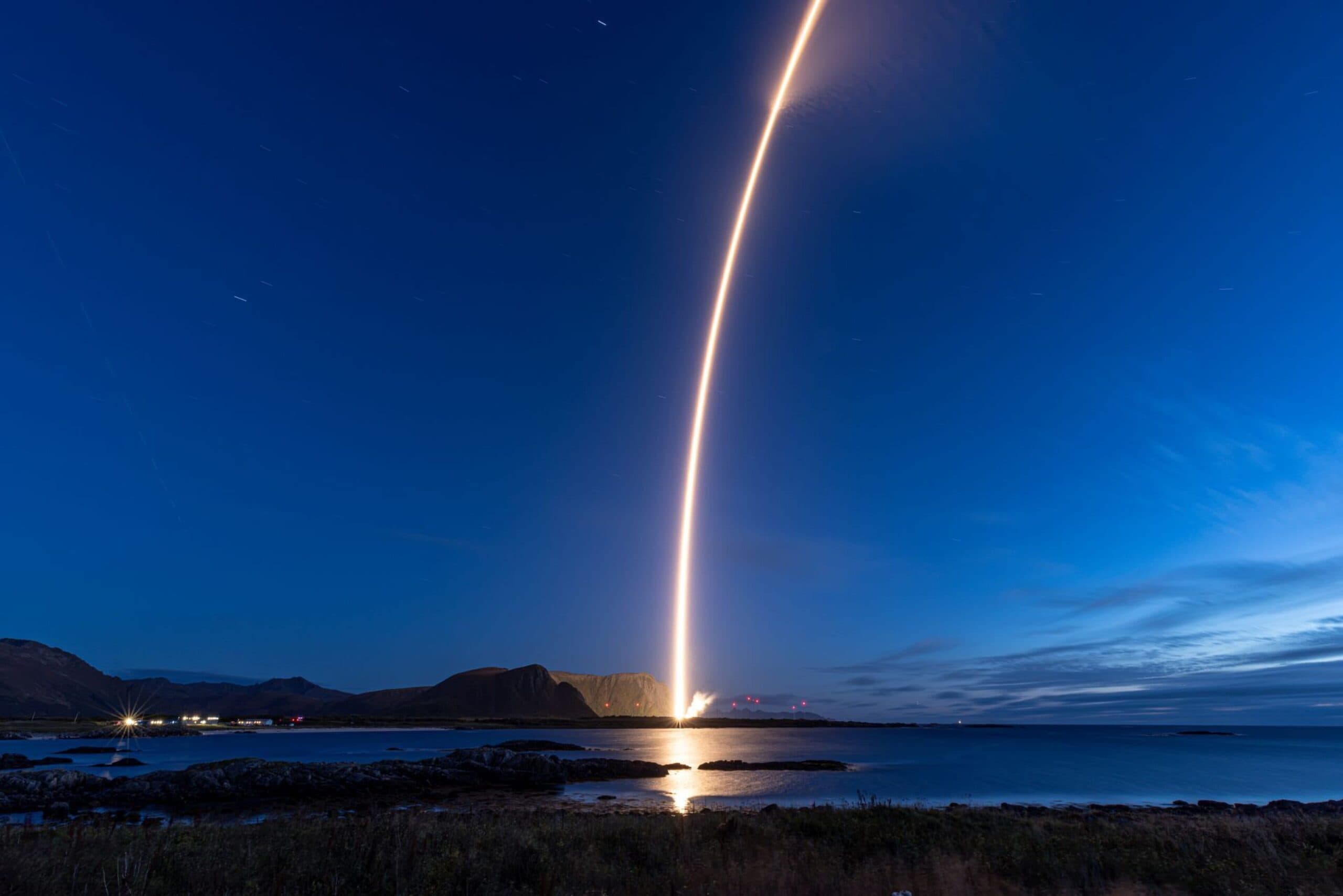

On September 5 at 10:12 p.m., Spectrum lifts off from the Norwegian spaceport Andøya. Following several aborted launch attempts on the ground, this is the rocket’s second actual flight. The “Onward and Upward” mission reaches Earth orbit and deploys its payloads. Isar Aerospace has thus achieved decisive proof: the in-house developed rocket can transport satellites into orbit. At the time of the company’s announcement, joint verification of the satellite status with customers was still ongoing.
According to TUM, on board were five CubeSats – mini-satellites – as well as a scientific experiment from a private European company. For the Ottobrunn-based spin-off, this turns years of development work into a proven transport capability.
30 Seconds That Weren’t the End
Just how big this step is becomes clear when looking back at March 30, 2025. During the first test flight, Spectrum lifted off successfully, but after around 30 seconds the flight was aborted. The rocket fell into the sea. Orbit remained unreached.
Even so, Isar Aerospace had gathered crucial data, tested the flight termination system, and retained an undamaged launch pad for future missions. Even back then, the next two rockets were already in production.
Why even a short flight can advance development was explained by Chiara Manfletti back in January in a Munich Startup interview about the second rocket launch. The Professor of Space Propulsion and Mobility at the Technical University of Munich emphasized that every additional second of flight provides insights into the interplay between the rocket’s systems. From this, weaknesses can be identified and improvements derived.
Test, learn, adapt: While standard practice in software startups, rocket science demands significantly more capital and patience. The second flight now demonstrates how far Isar Aerospace has come since its initial attempt.
From university project to billion-dollar company
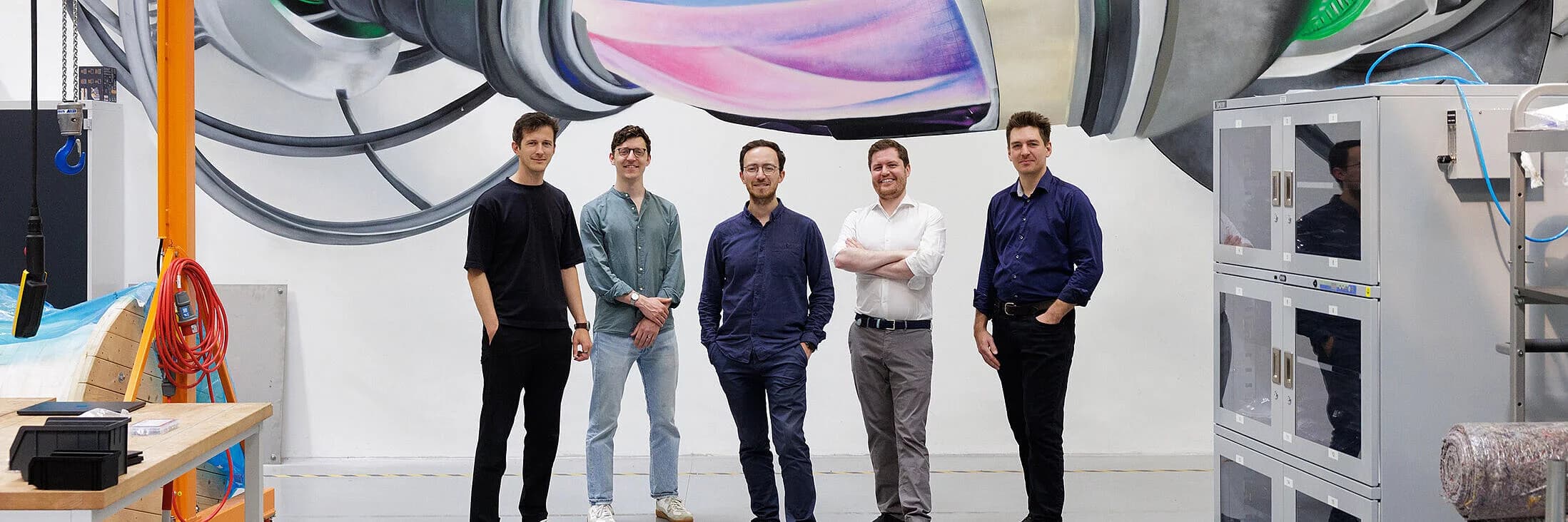
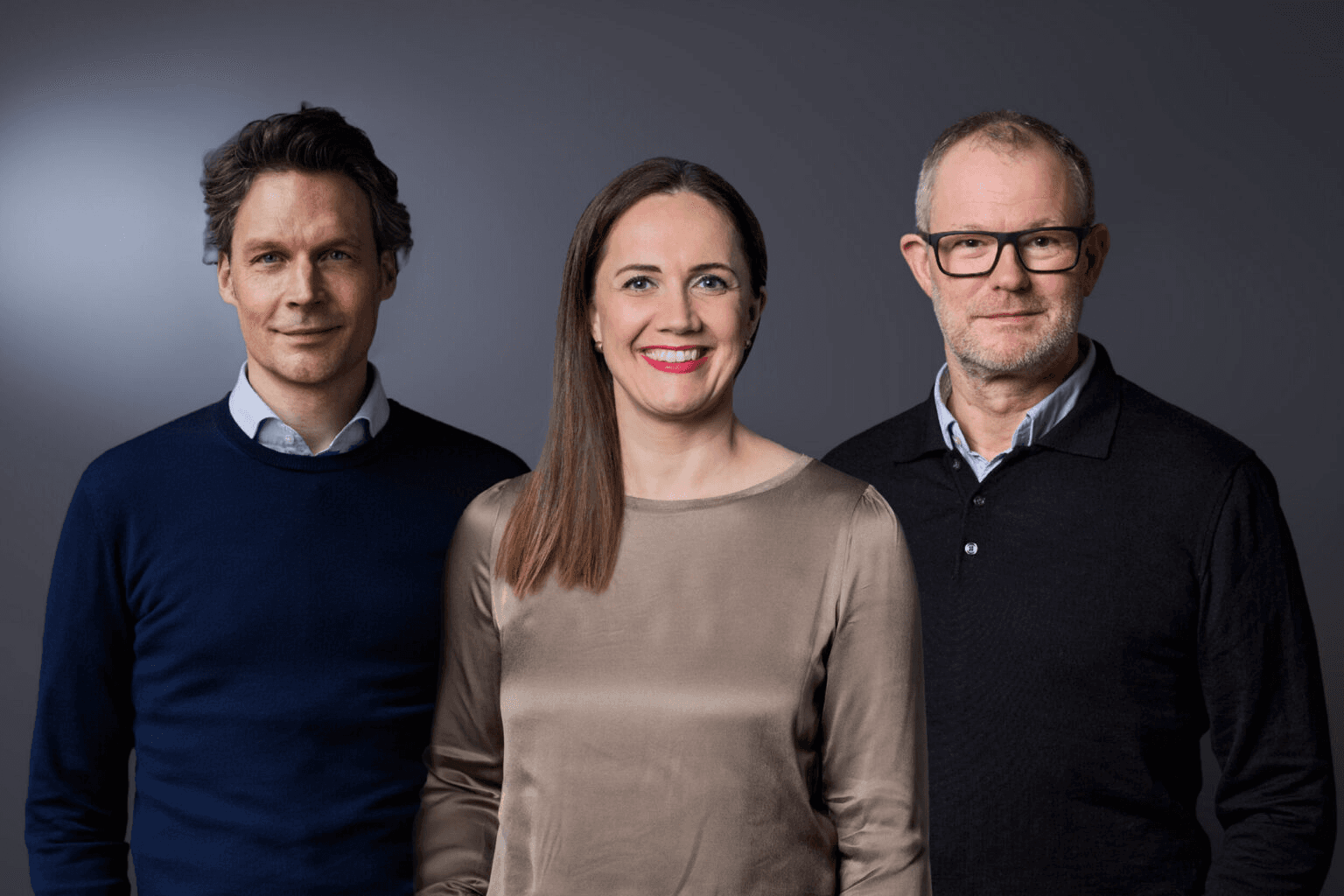
The story begins in Munich. During their studies at TUM, Daniel Metzler, Josef Fleischmann, and Markus Brandl worked on rocket engines in the student research group WARR. In 2018, they founded Isar Aerospace.
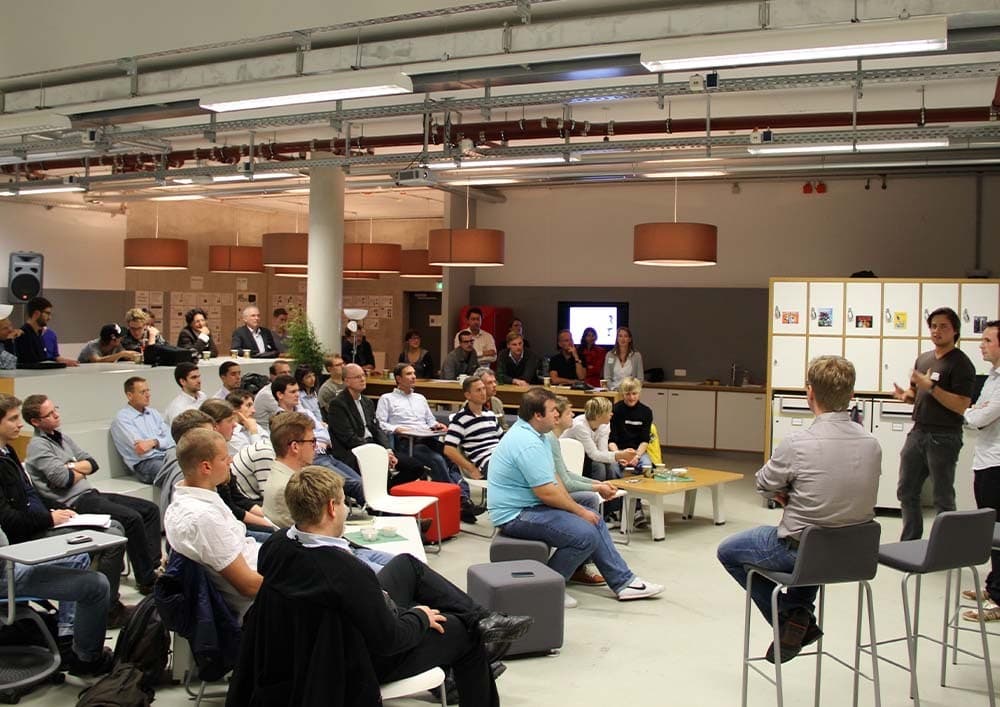
The university ecosystem provided more than just technical knowledge: The first component prototypes were built at UnternehmerTUM’s MakerSpace, while the incubator Xpreneurs supported company building. Research, workshops, and startup support all helped transform a technical idea into a business.
TUM President Thomas F. Hofmann praises the successful orbital flight accordingly:
“Isar Aerospace is a wonderful example of what dedicated and highly trained talent, together with the unique innovation ecosystem around TUM and UnternehmerTUM, can achieve.”
The company achieved unicorn status even before the successful orbital flight.

“Now they have to deliver”
An important financing milestone followed in June 2025: Isar Aerospace agreed on a 150 million euro convertible bond with Eldridge Industries. The funding was intended to enable the expansion of launch capacities and series production near Munich.
Public programs are also contributing to this growth. On August 27, 2026, the company announced a contract with the European Space Agency (ESA) as part of the European Launcher Challenge. According to the company, this includes program commitments of around 200 million euros for the next generation of rockets, additional infrastructure, and future missions.
With the capital, expectations are rising. In January, Manfletti summarized this pressure to Munich Startup:
“Now they have to deliver.”
At the same time, she praised the exceptional speed with which the European startup had progressed to actual rocket launches. Reaching orbit is now a compelling argument for investors and customers. For lasting business success, further reliable launches must follow.
Orbit reached. Now the business needs to take off.
Concrete demand already exists. On September 1, Isar Aerospace announced a launch contract with Astroscale Japan. Spectrum is scheduled to launch the ADRAS-J2 mission from Andøya between 2027 and 2028. The mission aims to rendezvous with and capture a defunct upper rocket stage in space.
This is already the second launch contract with the Astroscale Group. Such missions demonstrate the market Isar Aerospace aims to serve: customers requiring specific orbits and tailored launch profiles. Spectrum is designed for payloads of up to one metric ton into low Earth orbit.
The next acid test therefore lies in manufacturing and ongoing operations. According to Isar Aerospace, Spectrum rockets three through seven are already in production. A new, 40,000-square-meter production facility is intended to provide capacity for up to 40 rockets per year in the long term. This production rate is an ambitious goal.
This brings a question to the fore that Manfletti had already articulated before the launch:
“It is less about what we do—we can build rockets—and more about how we do it.”
Her assessment back then accurately captures the company’s next challenge: Isar Aerospace must translate this technical breakthrough into repeatable, commercially viable operations.
The company has made it from Munich into orbit. Now the goal is to turn this exceptional milestone into a business.