
Munich Startup: Ms. Lexa, Ms. Traugott, more and more startups are currently emerging, including very successful ones, but they continue to be led almost exclusively by men. Female founders remain the exception. Why is that?
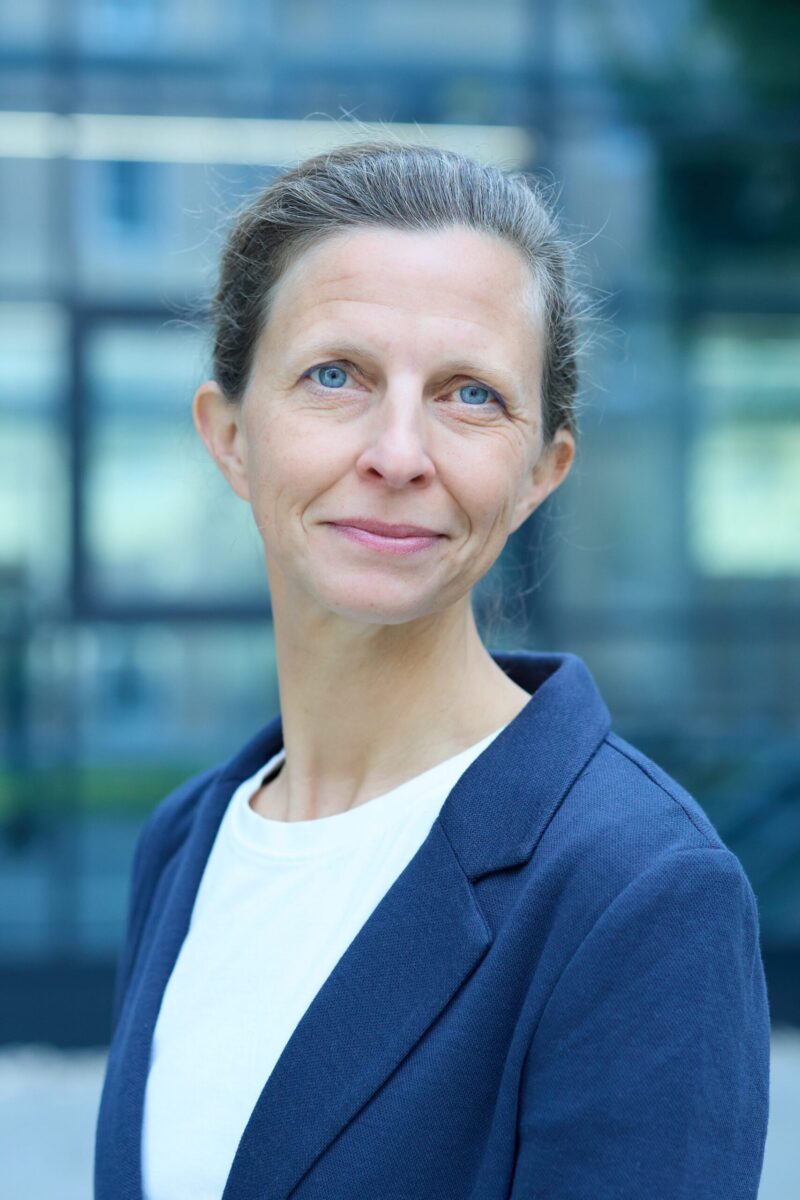
Susanne Traugott, Head of the Women Startup initiative at UnternehmerTUM: There are many reasons for this, and it begins long before the actual founding. Entrepreneurship is still perceived as a male career path. This becomes evident early on: many founders discover entrepreneurship for themselves while still in school or university – for women, this happens far less frequently. At the same time, women need more female role models, networks, and, especially in the tech sector, better access to relevant fields of study and professions. These structural patterns have an impact reaching far into the startup phase.
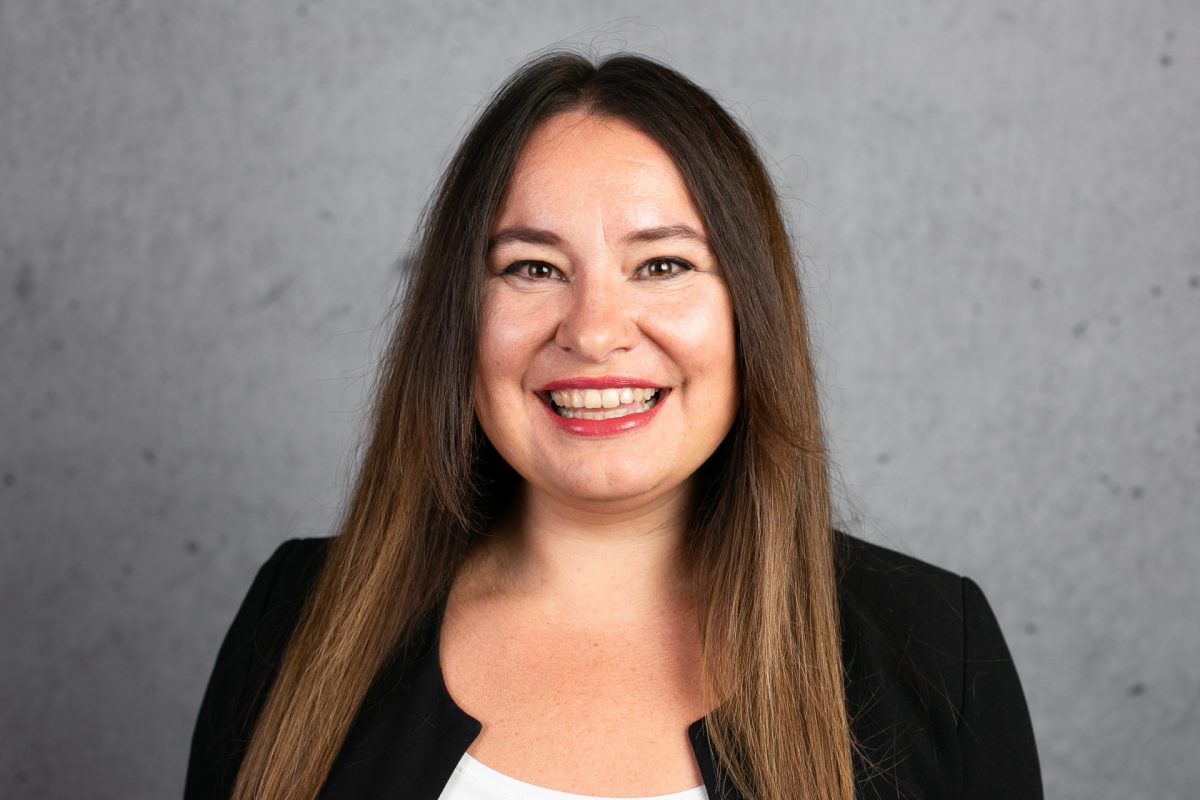
Pia Lexa, Team Lead Media Lab Bayern: In addition, the startup ecosystem itself is still heavily shaped by certain stereotypes. As long as investors or funding institutions subconsciously picture a male team when hearing the term “founder” and measure everyone else against that, equal opportunity will remain difficult. That is why it is not enough to simply encourage women to be braver – the system itself must become more open and diverse.
Munich Startup: So do the hurdles for female founders already begin before the topic of financing?
Pia Lexa: Absolutely. Capital is important, but first of all, female founders need the freedom and space to develop and test an idea. Many women also shoulder care work and still try to do everything on their own. That quickly leads to burnout. Support – both financial and organizational – is therefore not a luxury, but a prerequisite for making founding possible in the first place.
Susanne Traugott: On top of that: Anyone moving in an environment where investors, networks, or role models are predominantly male often doesn’t feel addressed in the first place. And this disconnect often arises long before the actual founding. That is why we start earlier: We want to get women excited about technology and entrepreneurship and show them that starting a business is a realistic career option.
Munich Startup: What do female founders need most on their journey?
Susanne Traugott: Above all, continuous support. Empowerment is not a one-off workshop, but a journey. Mentors, co-founder matching, ongoing education, and a strong network help build self-confidence and overcome challenges together. These aspects play a major role both in Media Lab Bayern and in our corresponding programs – we create spaces.
Pia Lexa: And I would add: No one should have to found a company alone. Women found solo much more frequently than men, which is enormously stressful in the long run. The importance of co-founders, coaching, and exchanging ideas with experienced sparring partners cannot be overstated.
Munich Startup: What role do networks and visibility play?
Pia Lexa: Networks often determine which doors open. It’s not just about contacts, but also about mutual support. Female founders benefit enormously from actively connecting with other female entrepreneurs, sharing experiences, and entering into partnerships. Solidarity is a key success factor.
Susanne Traugott: At the same time, successful female founders need more visibility. Role models provide encouragement and show that entrepreneurship is open to everyone. But visibility also helps to recognize structural problems in the first place. When people see that others have had to overcome similar hurdles, they feel less alone, and those around them also develop a stronger awareness of existing inequalities.
Munich Startup: Many women doubt themselves despite having good ideas. What advice would you give them?
Pia Lexa: A strong vision and passion for your topic are the most important assets. At the same time, nobody should forget that founding a company is a marathon. Accepting feedback, using proven methods, taking breaks, and taking care of your own mental health—all of this is just as much a part of entrepreneurship as the business plan.
Susanne Traugott: I would encourage women to follow their own path instead of orienting themselves toward a supposedly “typical” founder image. Our experience shows that authentic personalities build better companies. When women get the right development opportunities, impressive success stories emerge.
Munich Startup: What needs to happen so that female foundership is eventually no longer a separate topic?
Susanne Traugott: Diversity does not happen on its own. It is the result of targeted support and strategic decisions. We see that corresponding programs work and measurably increase the share of diverse teams. This shows: change is possible.
Pia Lexa: At the same time, the responsibility does not lie solely with female founders. Investors, accelerators, universities, and funding institutions must question their own mindsets and actively foster equal opportunities. Because founding a company is not an innate talent, but a craft. The more diverse the people building companies are, the more innovative our economy will ultimately be.