
In 2026, the German startup ecosystem is growth-oriented despite the weak economy. By September, eight billion euros had flowed into German startups, already surpassing the 7.5 billion euros raised in all of 2025. At the same time, ten companies reached a billion-dollar valuation for the first time this year – more than in any year since 2021. This brings Germany’s current unicorn count to 39.
This is shown by the 14th German Startup Monitor (DSM) by the German Startup Association. For the study, 1,803 founders and CEOs of German startups were surveyed between mid-June and late August. In addition, investment and founding data were incorporated.
However, the capital is distributed unevenly: A few large financing rounds, particularly in deeptech and defence, are driving investment volume. In contrast, the number of funding rounds is around a quarter below the 2021 level. First-time rounds are also continuing to decline.
When it comes to accessing capital markets, many companies are also looking toward the US. Of the startups with IPO plans, 62 percent prefer a US stock exchange, while only 27 percent would choose Germany. As a result, 89 percent of founders would like to see more venture capital from Germany and Europe.
AI establishes itself as a core technology
In terms of technological infrastructure as well, the DSM shows a strong dependency on the US. 64 percent of startups predominantly or exclusively use US providers. As obstacles to switching, respondents primarily cite a smaller feature set in European solutions or the complete absence of a suitable European alternative.
At the same time, artificial intelligence continues to gain in importance. For 53 percent of startups, AI is now at the core of their product. In 2025, that figure was 45 percent, and just 39 percent in 2024.
The study sees science as another strength of the ecosystem. For 59 percent of startups, the product is directly or indirectly based on new scientific findings. 51 percent of founders received support from universities or research institutions.
On the labor market, by contrast, the situation has eased considerably. Only 15 percent still view the shortage of skilled workers as a major hurdle, down from 30 percent two years ago. 83 percent plan to hire new employees in the next twelve months and expand their teams by an average of 5.5 people.
Verena Pausder, Chair of the German Startup Association, says:
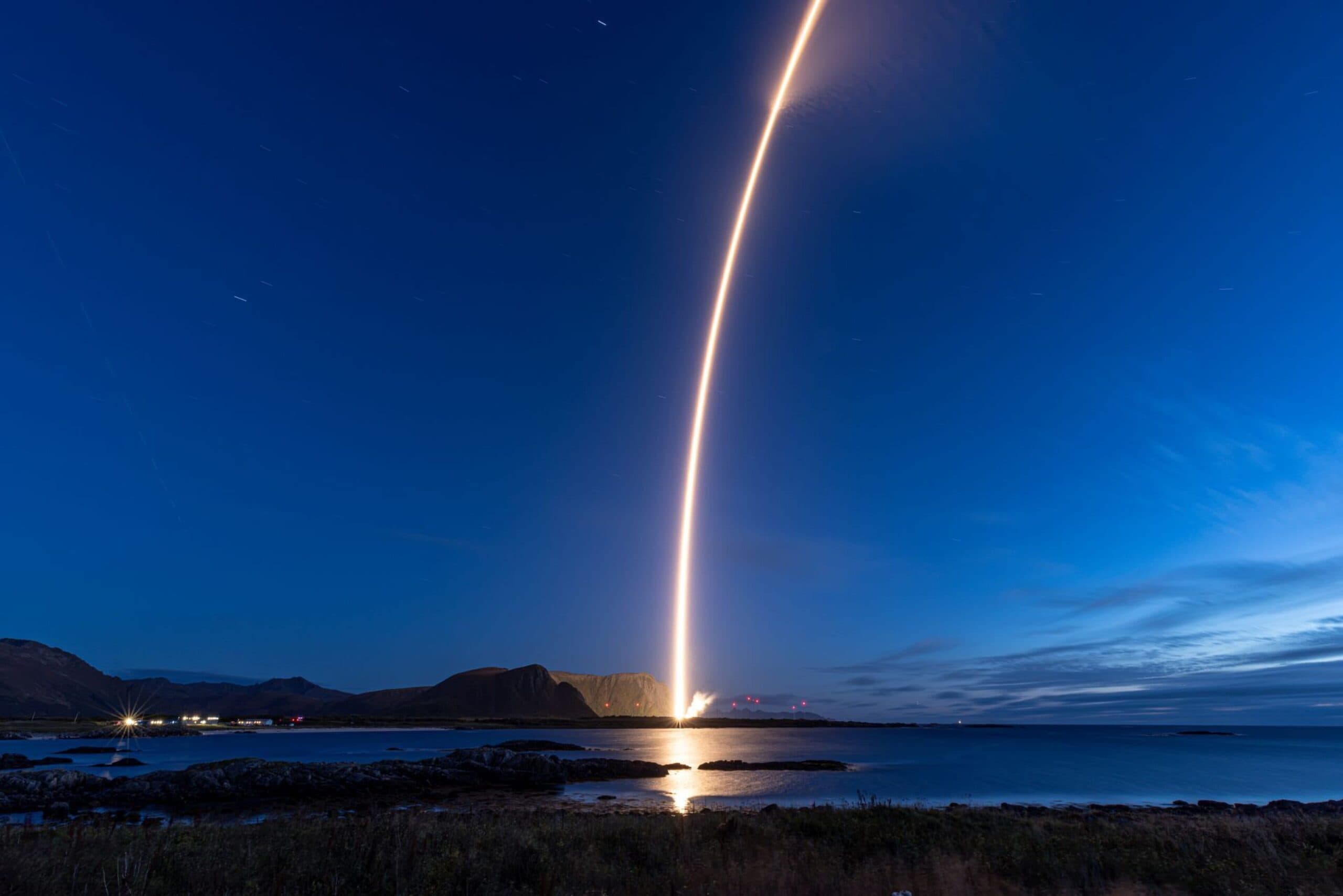
“Germany is founding again – broadly and on a strong technological foundation. The successful rocket launch by Isar Aerospace demonstrates the incredible potential we have here. But what is missing is an economic environment that keeps pace: collaborations with established companies are declining, and available capital is not sufficient to reach the very top globally. That is why it is now essential to implement the startup and scaleup strategy, strengthen financing, and finally make founding and scaling in Europe fundamentally easier with the EU Inc.”
The complete DSM is available for download from the German Startup Association.