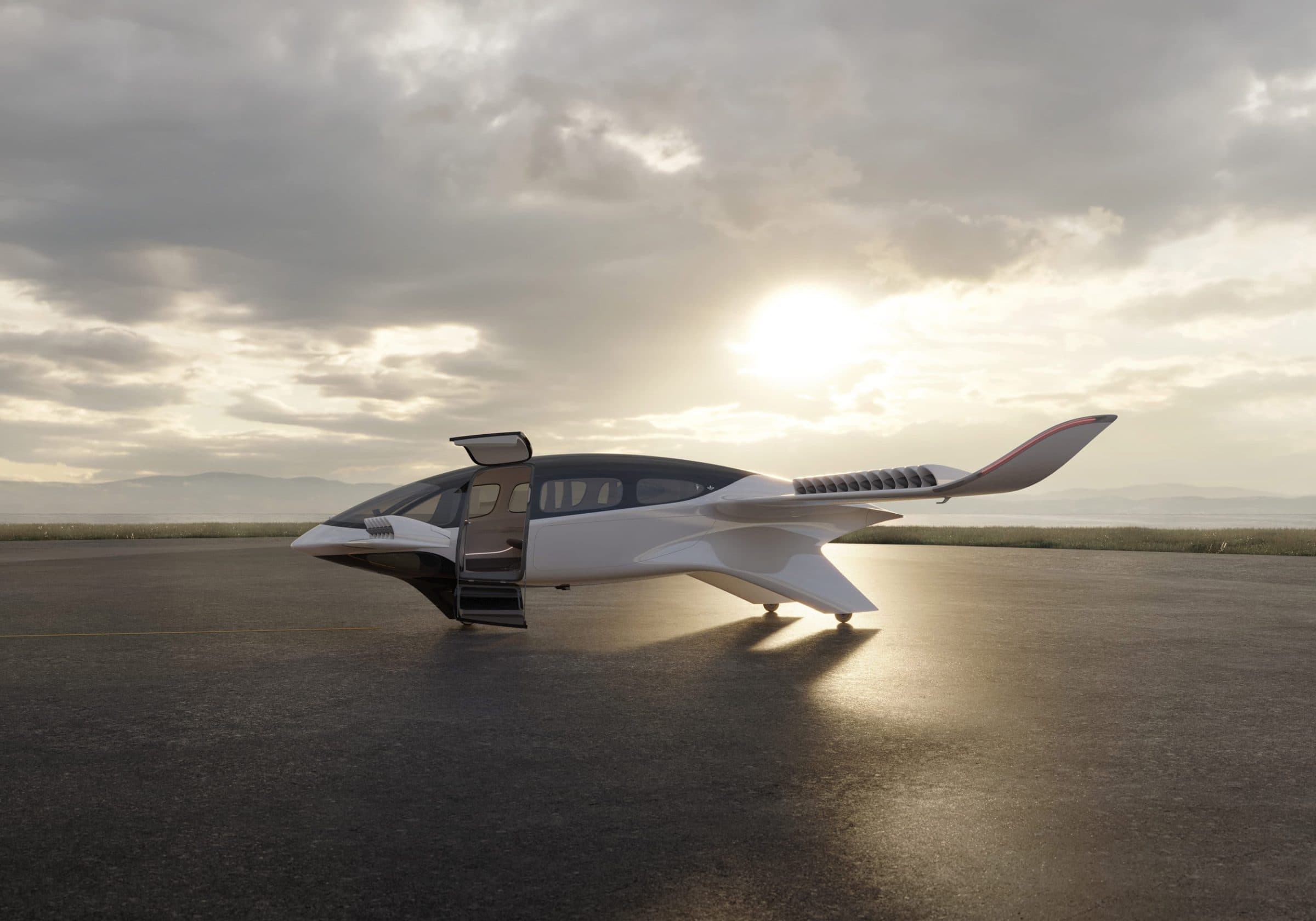

Last week, the air taxi company announced that it intended to initiate insolvency proceedings in self-administration for the Lilium GmbH and Lilium eAircraft GmbH. Due to over-indebtedness, the company was no longer able to continue operations at the two operating subsidiary companies. According to the Handelsblatt, this now puts the jobs of over 1,000 employees at risk. Additionally, potential investor funds of around €1.5 billion are lost.
Lilium CEO Klaus Roewe comments:
“We deeply regret the insolvency and its consequences for all those involved at such a critical phase in our company’s development. While there is no guarantee of success in insolvency proceedings, we hope that Lilium Jet will have a chance for a fresh start after the self-administration process is completed.”
Requested government aid for Lilium failed to materialize
In recent months, the company went through a lengthy approval process for a KfW loan that failed in the budget committee of the German Bundestag. The hoped-for support from the German government for the KfW loan was also a condition for private financing that had already been promised. Without government aid, this hope also evaporated.
Roewe on this:
“Our plan was to obtain shareholder participation in a new financing round supported by a government loan of €100 million. We had already conditionally secured additional private capital to supplement the KfW loan. However, the budget committee could not agree on the loan, and Bavaria could not do it alone.”
In a press release, Lilium stated that no aircraft program worldwide has succeeded without government support. The French government had offered the air taxi manufacturer a loan of €219 million to finance a facility in southwestern France.
After the planned maiden flight of its jet in early 2025, the company expected advance payments and new investments. These were to secure the company’s financing until 2026. At that time, the company would begin delivering its current order pipeline. According to Lilium, this includes firm orders, reservations, options, and letters of intent for a total of more than 780 jets from international customers. Whether this will still happen is uncertain, as the publicly listed parent company is also under considerable pressure. Currently, the share price is only in the cent range.