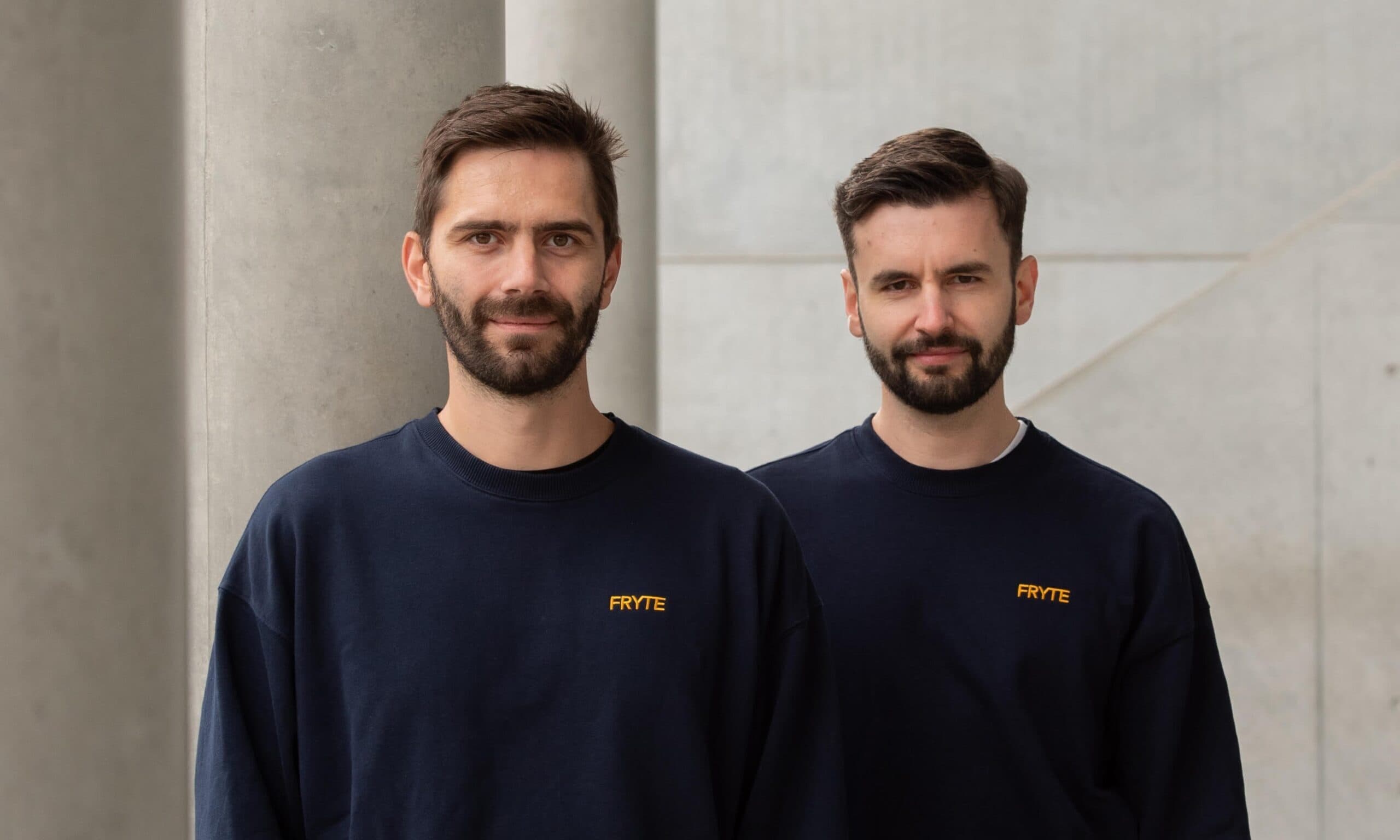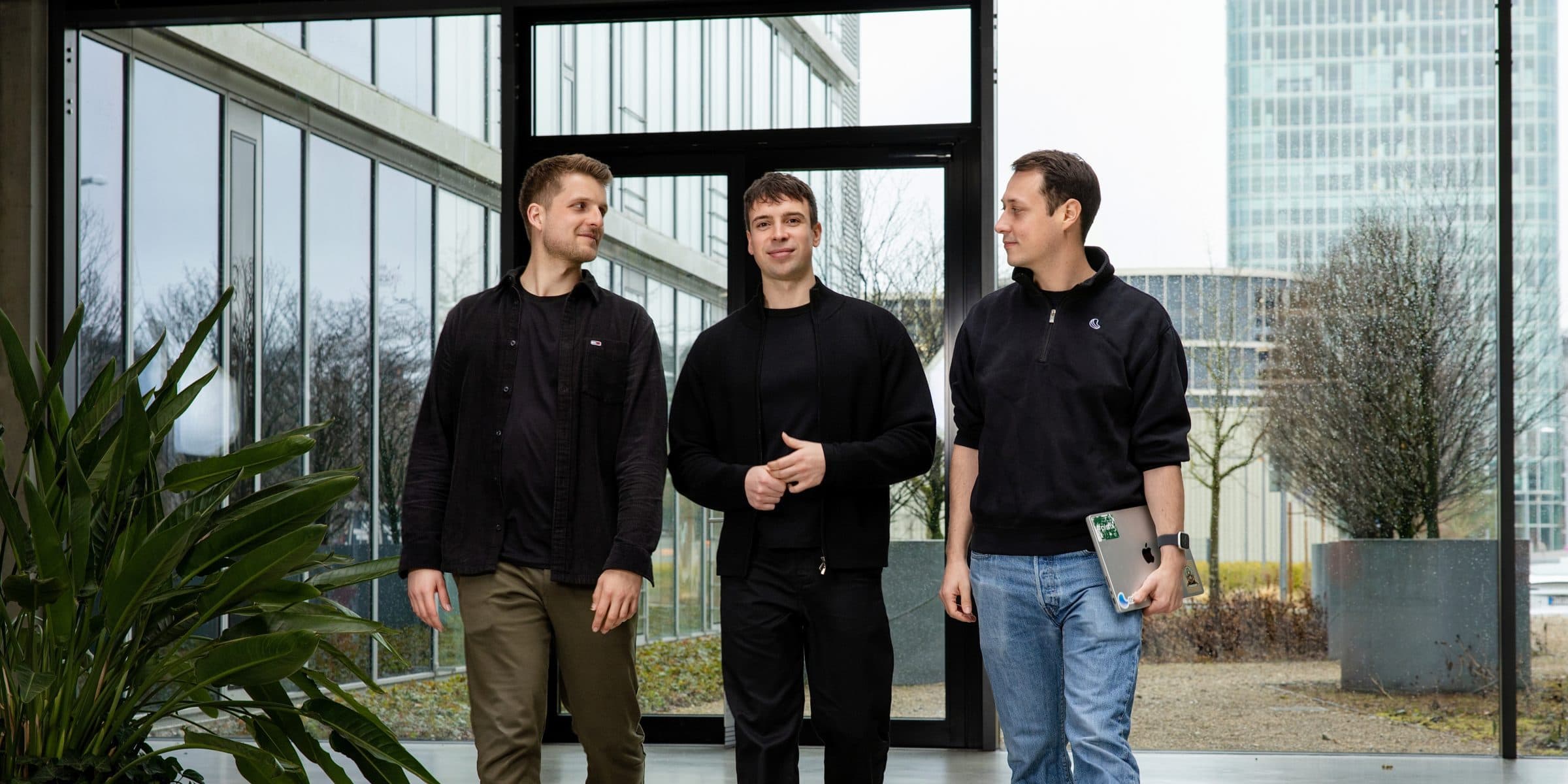

The Series A funding round of 25.7 million euros (30 million dollars) for Munich-based startup Lio is led by venture capital investor Andreessen Horowitz. SV Angels, investor Harry Stebbings, and Y Combinator are also participating. The capital is intended to flow into further development of the platform and expansion into the US.
Lio develops software for so-called agentic AI in corporate procurement. The platform is designed to automate procurement processes that in many companies have so far been carried out manually. These include, for example, quote comparisons, supplier analysis, negotiations, and orders.
Vlad Keil, co-founder and CEO of Lio, predicts:
“The procurement organization of the future will change fundamentally. Teams will no longer grow through additional employees or new tools, but through AI agents that execute tasks completely.”
AI agents take over procurement processes
The platform works with specialized AI agents that work in parallel on procurement processes. They analyze suppliers, compare offers, coordinate approvals, and trigger orders. The systems access existing corporate software such as ERP systems, email inboxes, contract data, or web sources.
Lio describes this way of working as “Agent Operating Procedures”. The idea behind it is that AI systems can independently execute standardized procurement processes.
According to the startup, AI agents now manage procurement volumes worth billions. Since the platform launched in 2023, several major industrial companies have adopted the technology. Customers include reinsurer Munich Re, automotive supplier Brose, and biotechnology company Novozymes.
Jared Petras, Senior Director of Global Procurement Digital Transformation at Walmart, confirms from a user perspective:
“Agentic AI systems will be crucial to how companies organize their procurement functions in the future.”
Boost for Munich’s startup ecosystem
Especially in the procurement of large industrial companies, sourcing is considered particularly complex. Companies spend significant sums annually on procurement staff, while software has so far automated only a small portion of these processes.
For the Munich startup ecosystem, this development is relevant because several major industrial companies from the region’s environment are among the users of the technology. Munich Re and Brose are among the companies that, according to Lio, are already working with the platform.
This demonstrates a typical pattern in the B2B software market: young technology companies develop specialized AI applications that large industrial companies test as early adopters.