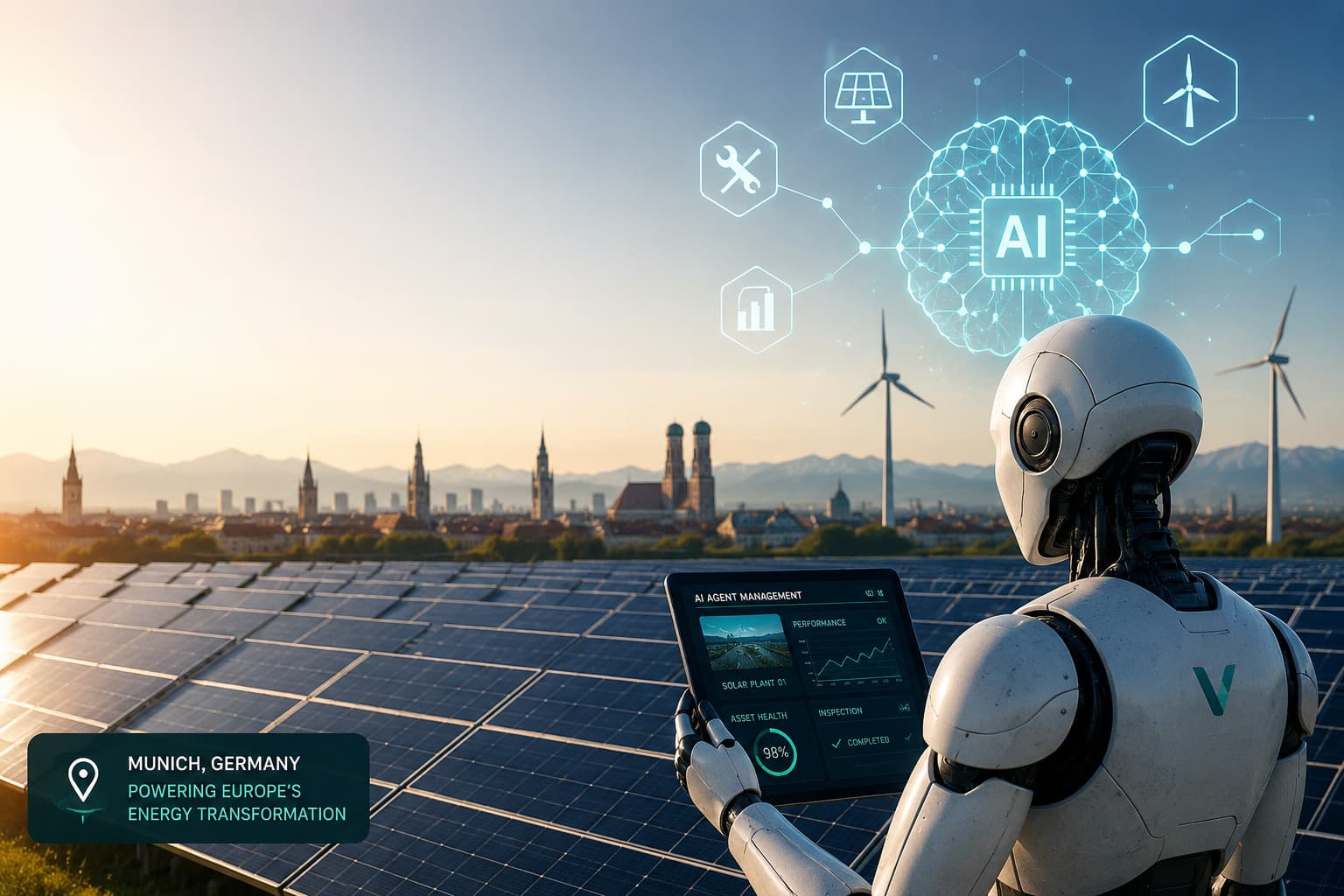

Munich startup Invertix has completed a pre-seed financing round of 1.7 million euros. The company develops autonomous AI agents for operators of solar, wind and storage systems and already manages more than 1.8 gigawatts of solar capacity according to its own information. These are designed to independently handle operational tasks such as fault diagnostics, performance analysis, compliance reporting and maintenance coordination.
And with that, the startup, which was only founded in early 2026, is addressing a growing problem in the European energy sector. The expansion of renewable energy is progressing faster than the development of specialized skilled workers for operating and maintaining the systems. Invertix wants to create a solution for exactly this and connect energy infrastructure with autonomous AI.
The financing round is led by Vireo Ventures. Italian Founders Fund and several angel investors from the energy and artificial intelligence sectors are also participating.
1.8 gigawatts of solar capacity despite early company stage
What is particularly remarkable is the speed with which Invertix has achieved its first operational scale. The platform is already monitoring more than 1.8 gigawatts of solar capacity in Europe. In addition, the company is working on commercial projects with a potential volume of over ten gigawatts.
The software is aimed in particular at infrastructure and energy funds, independent power producers (IPPs), asset managers and operators of large solar and storage portfolios. O&M service providers (operation and maintenance) are also part of the platform’s target audience, which is designed to automate operational processes in the operation of renewable energy systems.
The focus is on automated operational processes for large energy portfolios. According to the company, the AI agents continuously analyze telemetry data, identify performance deviations and prioritize problems based on potential revenue losses.
AI agents are set to replace traditional SCADA systems
From a technological perspective, Invertix relies on autonomous multi-agent systems. The platform combines large language models with time series analysis and direct integration into energy systems.
The startup argues that traditional SCADA systems primarily provide raw data, while operational decisions must continue to be made manually. Invertix wants to automate this process.
According to the company, the central functions include predictive maintenance for solar and wind farms, automated O&M workflows and real-time detection of underperformance. In addition, the platform is designed to enable bankable reporting processes, monitor financial metrics such as DSCR or IRR, and automate regulatory compliance processes.
This is likely to be particularly relevant for institutional investors who manage large portfolios of renewable energy systems across Europe.
TUM background and focus on European infrastructure
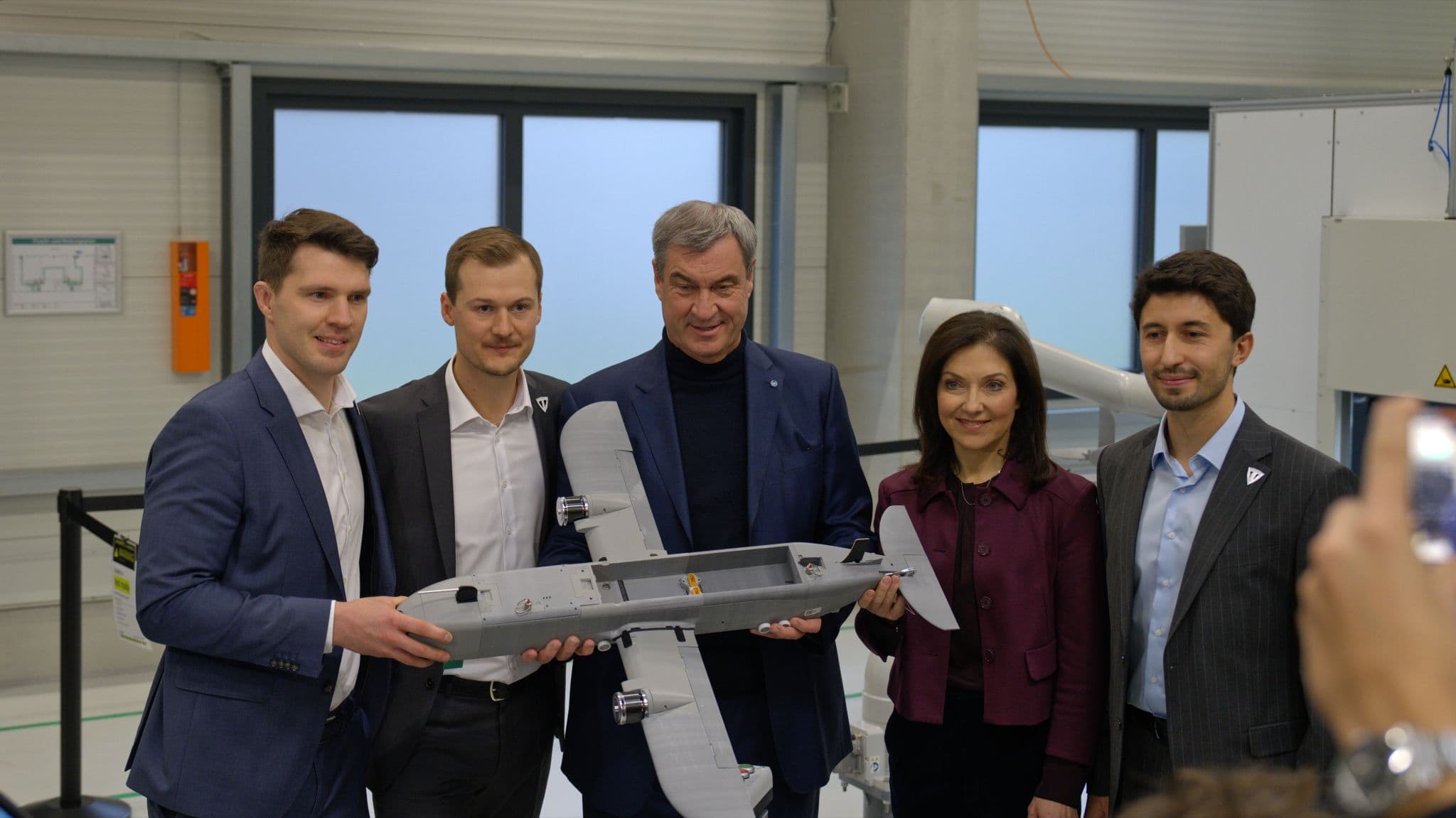
Invertix was founded by Joseph Perrotta and Kaan Durmaz. According to the company’s own information, the company emerged from research at the Technical University of Munich and the student AI network TUM AI.
The startup also deliberately focuses on European infrastructure and GDPR-compliant data storage. According to the company, hosting takes place exclusively within the EU.
The market for AI-powered energy and asset management software is currently developing dynamically. As solar and storage capacity expands rapidly, the complexity of operating the systems increases as well. At the same time, pressure is mounting on operators to optimize returns and availability.
Competition for autonomous energy platforms is increasing
The market for intelligent energy platforms is considered highly fragmented. In addition to traditional SCADA providers, specialized AI companies are increasingly emerging for monitoring, maintenance and portfolio optimization.
Invertix is trying to differentiate itself particularly through its focus on autonomous agent systems and financial KPIs from competitors. In doing so, the company addresses not only technical operational data but also the economic management of large energy portfolios.
Whether the approach will establish itself long-term in the operational management of critical energy infrastructure will likely depend on how reliably autonomous systems can integrate regulatory requirements, safety standards and human control processes.