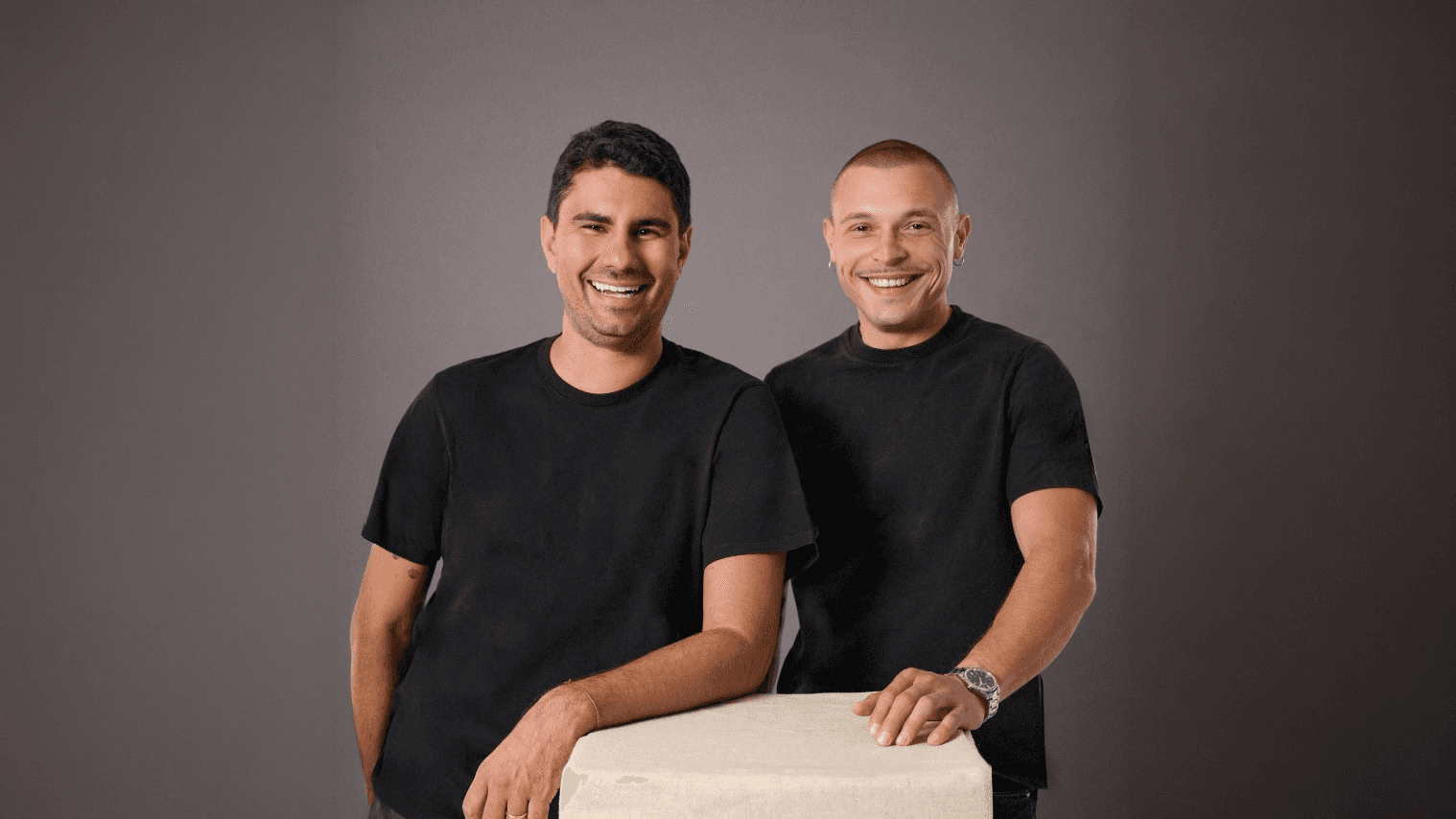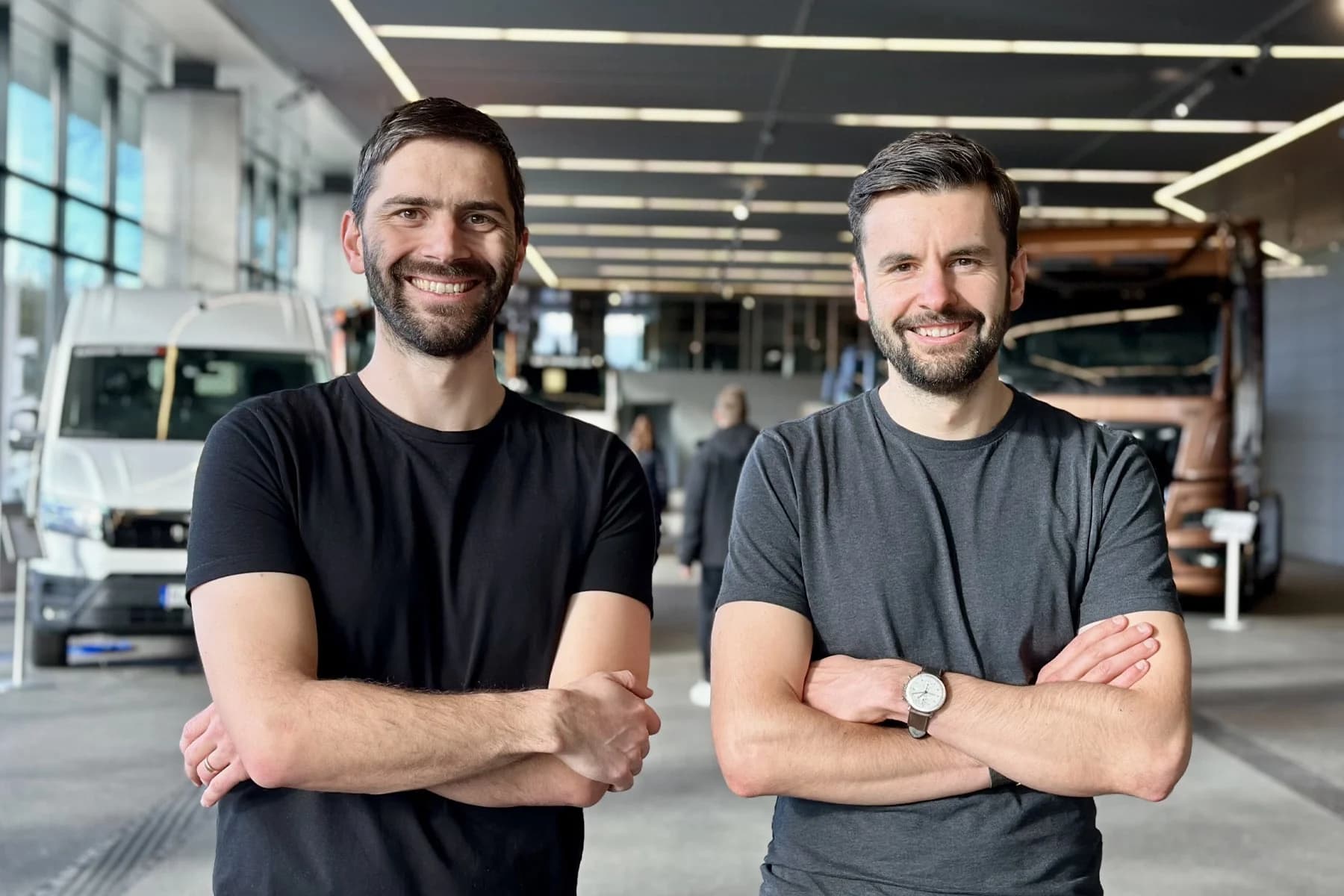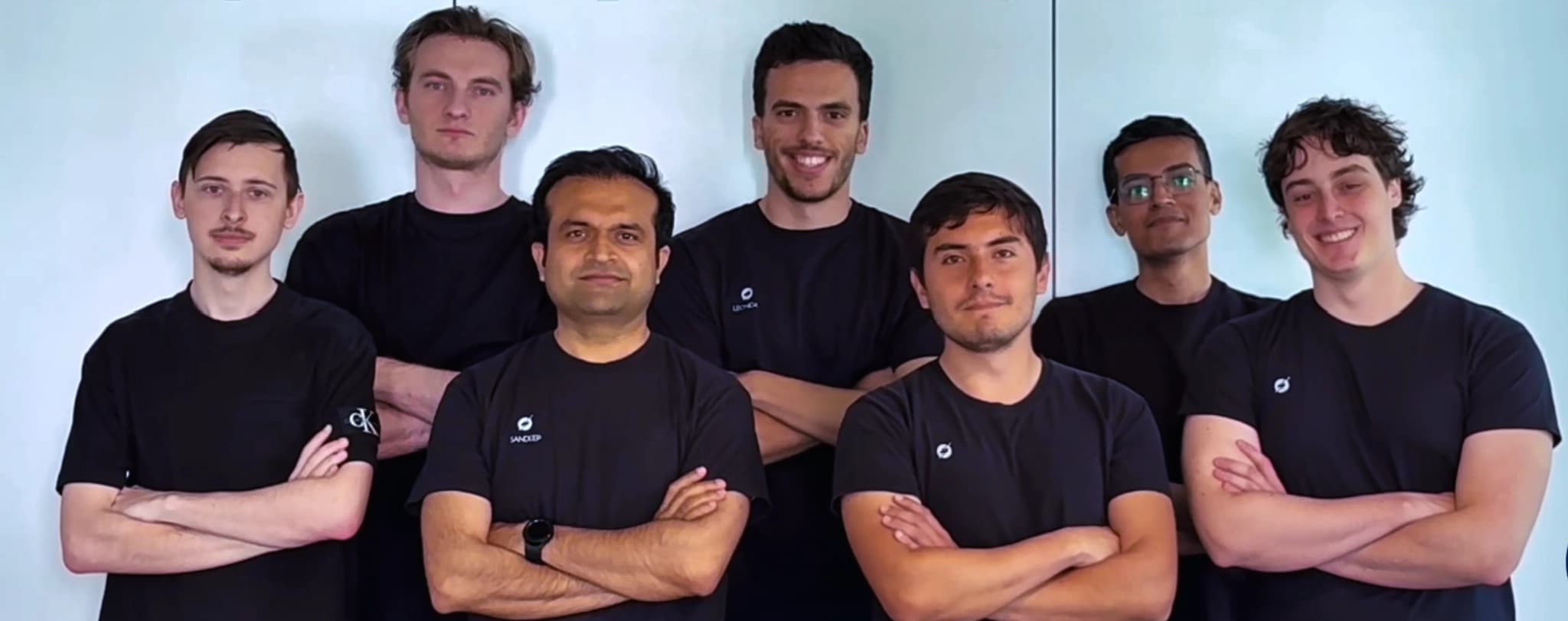

Project-S has raised a multi-million funding round led by Uni.Fund II. The exact amount has not been disclosed. The financing forms the foundation for the next development phase.
And for this phase, the Munich startup has ambitious plans: from detecting small space debris and calculating its trajectories and collision risks to supporting avoidance maneuvers, several previously separate tasks are to be brought together in a single architecture.
In the long term, the active removal of space debris is also intended to become part of this system. Project-S refers to this as a safety layer for the growing infrastructure in Earth orbit. According to the European Space Agency’s (ESA) “Space Environment Report 2025,” there are an estimated more than 1.2 million objects larger than one centimeter in orbit. Around 40,000 objects are tracked by surveillance networks, including about 11,000 active payloads. Debris larger than one centimeter can already cause severe or even catastrophic damage at the high velocities in space. According to the ESA, around 50,000 objects are larger than ten centimeters.
Particularly critical is the gap between known or cataloged objects and the numerous smaller pieces of debris. This is precisely where Project-S positions its planned radar technology.
The ESA also warns that without further countermeasures, collisions could generate additional space debris. In addition to measures aimed at preventing new debris, the active removal of existing objects will therefore also be necessary in the long term.
Millions in Funding for Project-S from Uni.Fund II and Public Programs
In addition to the funding from Uni.Fund II, Project-S is also receiving non-dilutive grants from German, Bavarian, and ESA-affiliated public innovation programs. Here too, the company has not yet disclosed the specific funding amount or the individual programs.
Dora Trachana, partner at Uni.Fund VC, sees the combination of technological development and execution speed as a key reason for the investment:
“Project-S impressed us with a rare combination of technical depth and speed: a lean team that has already taken radar technology from design to deployment.”
Radar Sensor Technology and AI Set to Detect Small Hazards in Orbit
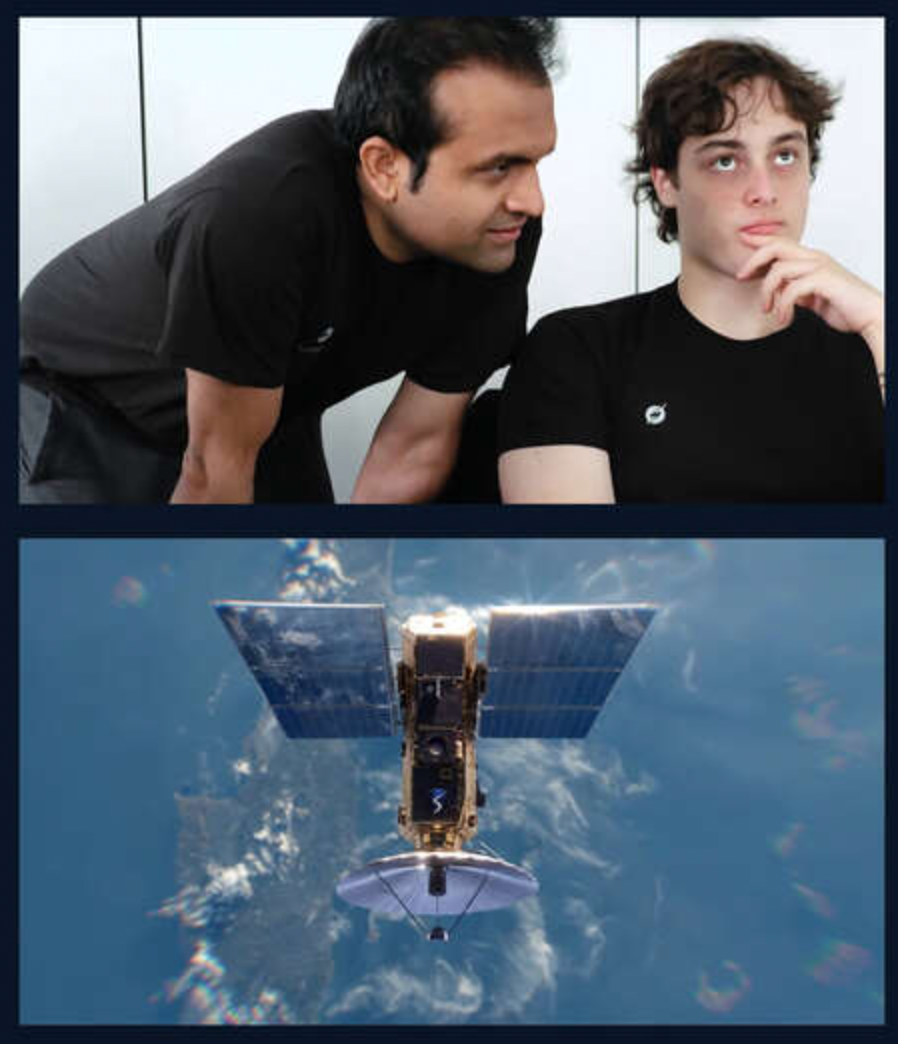
A central component of the planned architecture is space-based radar payloads. They are intended to help detect smaller objects in orbit, model the trajectories of these objects, and derive actionable insights for satellite operators.
Project-S aims to cover multiple stages of space situational awareness and space traffic management. The roadmap can be broken down into four areas:
- Detection: Space-based radar sensors are designed to detect smaller objects and potential hazards.
- Analysis: Orbital data and AI-based systems will model trajectories and collision risks.
- Decision support: Satellite operators will receive information for potential collision avoidance maneuvers.
- Removal: In the long term, Project-S aims to develop technologies for the active removal of space debris.
The startup is thus creating a solution not only for Space Situational Awareness, but down the road also for Active Debris Removal and On-Orbit Servicing. Project-S has already conducted academic research in the latter field. In early 2026, Leonidas Askianakis and Aleksandr Artemov presented research on adaptive robotic gripping in space at the AIAA SciTech Forum. Such technologies could become relevant for capturing space debris and for on-orbit servicing, among other applications.
ATLAS-III is intended to showcase Project-S’s hardware expertise
Project-S does not want to position itself purely as a software or data company. According to the team, it has already developed, assembled, tested, and delivered compact radar demonstration hardware. However, the company is still withholding specific details for the public launch. Further information is expected to be released over the coming weeks as part of the so-called ATLAS-III story.
This hardware component in particular could prove decisive for further development. That is because the planned architecture requires Project-S not only to process existing orbital data, but ultimately to generate its own sensor data and integrate it with analysis and decision-making software.
CEO Leonidas Askianakis defines the mission in correspondingly comprehensive terms:
“The space economy is turning into infrastructure. Its safety must grow at the same pace. We founded Project-S to help operators better understand minor hazards, make more informed decisions, and ensure access to orbit remains open for future generations.”
InfoboxToday’s Project-S Space and Beyond Technologies GmbH was founded in Munich in late 2024 and is led by founder and CEO Leonidas Askianakis.