
Munich is solidifying its role as one of Europe’s most important startup hubs: According to the new Bavaria Startup and Scaleup Monitor 2026, the city now matches Berlin in startup density – and surpasses the capital for the first time in investment volume. One sector in particular is developing strongly: defencetech.
Bavaria remains Germany’s startup engine
While the German economy continues to struggle with weak growth, the startup ecosystem is showing resilience. Bavaria plays a key role: with over 4,400 active startups and scaleups, the state leads nationally.
In 2025 alone, 785 startups were founded – a 46 percent increase compared to the previous year. This means more than one in five new startups in Germany are established in Bavaria.
Bavaria also leads in relation to population: with 33.3 startups and scaleups per 100,000 residents, it is the strongest state by area.
Munich establishes itself as Germany’s second major startup hub
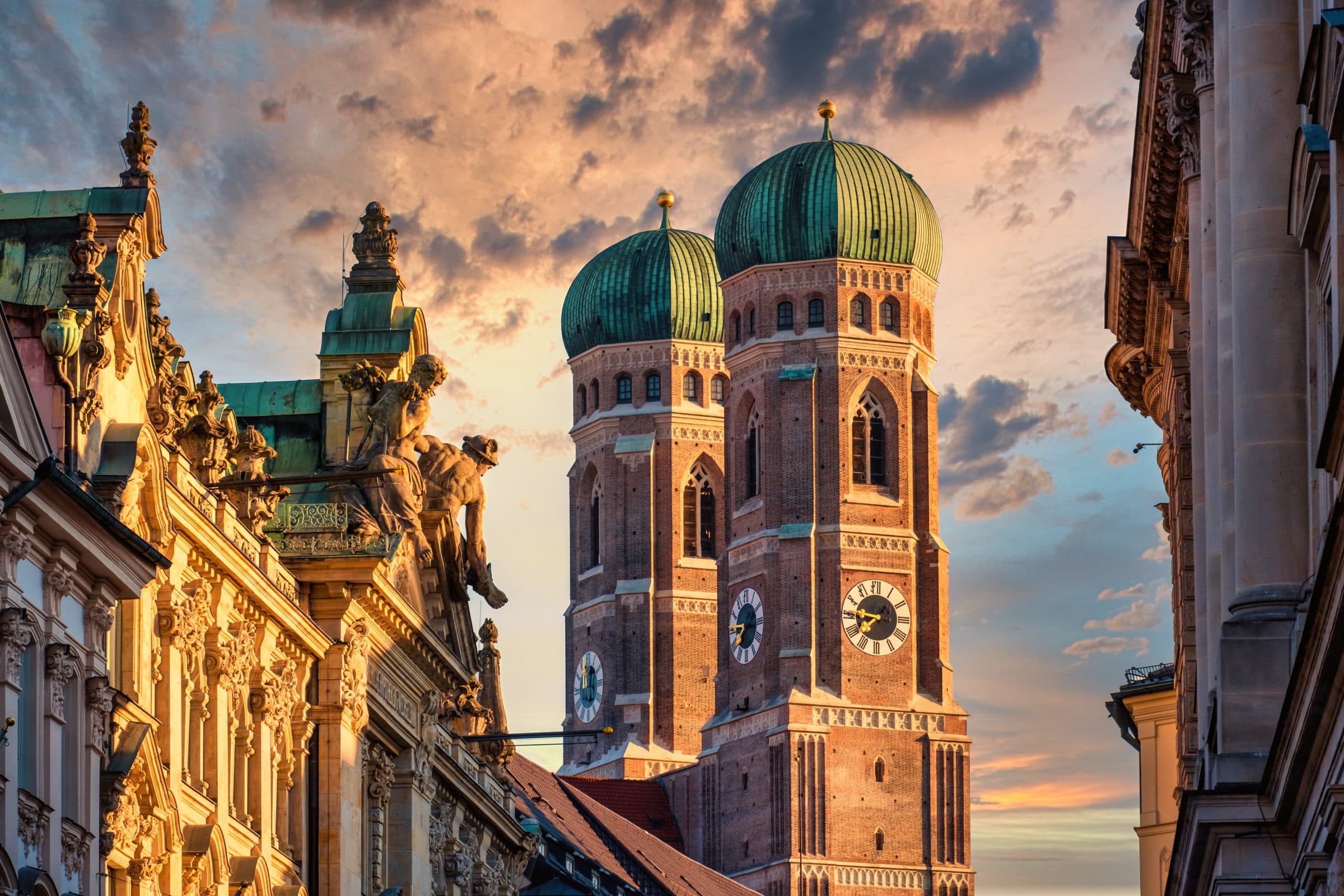
Within Bavaria, Munich remains the clear center: 2,445 startups and scaleups are based in the region. The city has now definitively established itself as the second major startup hub alongside Berlin.
A decisive indicator is startup density. With 114 companies per 100,000 residents, Munich is now on the same level as the capital. In terms of capital, Munich even pulls ahead: 2025 saw 2.7 billion euros invested in startups in the region, compared to just 2.4 billion euros in Berlin.
This development is also reflected in major success stories, as ten unicorns now come from Munich. With Celonis and Helsing, two of Germany’s three decacorns are also located in Bavaria’s capital city.
Defencetech: Munich becomes a leading hub
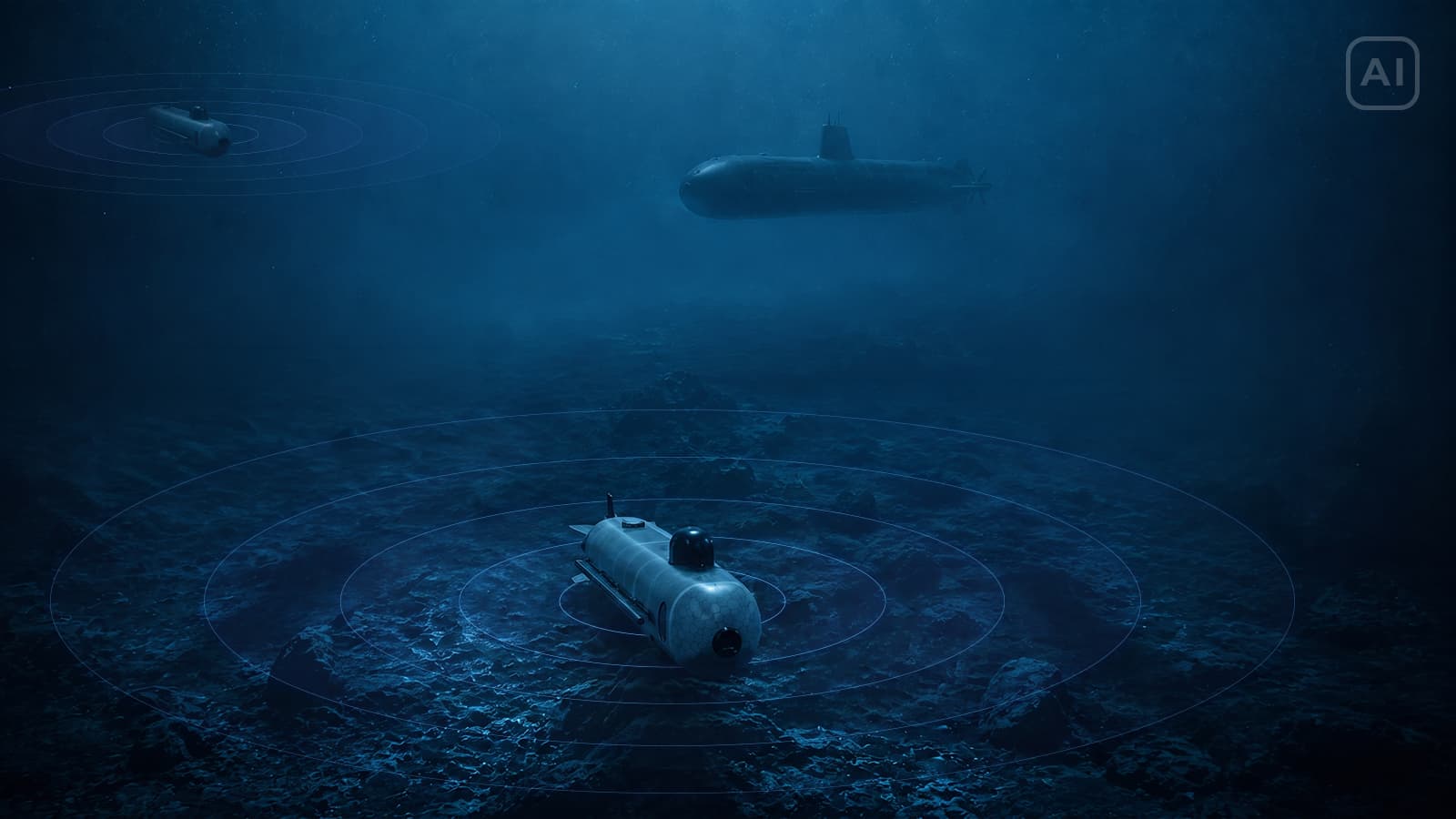
The Bavaria Startup Monitor also shows that the defencetech sector is currently developing particularly dynamically. In 2025, more than one billion euros flowed into German startups and scaleups in this sector – with a large portion going to Munich. This positions the city not only nationally, but also across Europe as a central hub for security-related key technologies.
Universities drive innovation – deeptech exceptionally strong
A key success factor for Bavaria’s ecosystem is its close integration with research and science. 55 percent of startups emerge from the university environment – more than the national average.
This is particularly evident in the deeptech sector: 16 percent of startups in Bavaria are research-intensive, compared to 11 percent nationally.
Munich benefits particularly from its dense research landscape and is increasingly developing into one of Europe’s leading deeptech hubs.
Internationality remains a challenge
Despite strong development, there are challenges. Munich particularly has ground to make up on internationality.
While 42 percent of employees in Munich startups already come from abroad, English is only the primary working language in 46 percent of companies. In Berlin, this figure is 67 percent. In the competition for international talent, this could become a disadvantage.
Growth and capital as the next lever
In international comparison, there is also room for improvement: while startup investments in California’s Bay Area account for 7.5 percent of economic output, Munich stands at 1.3 percent.
To keep pace with leading ecosystems like London, Paris, or Boston in the long term, growth and financing must be further strengthened.
The conditions for this are good: Munich already scores points with high quality of life and is rated very positively by international professionals.