While other German electric aircraft startups such as Lilium and Volocopter have had to contend with considerable economic difficulties, Vaeridion is receiving fresh capital for the development and industrialization of its all-electric regional aircraft. The combination of private venture capital and public funding is particularly noteworthy: the Munich-based company, with its Carolus project, was the only aviation project selected among twelve large-scale projects supported by the EU Innovation Fund. However, the funding commitment is still subject to a final grant agreement, which is scheduled to be signed in 2027.
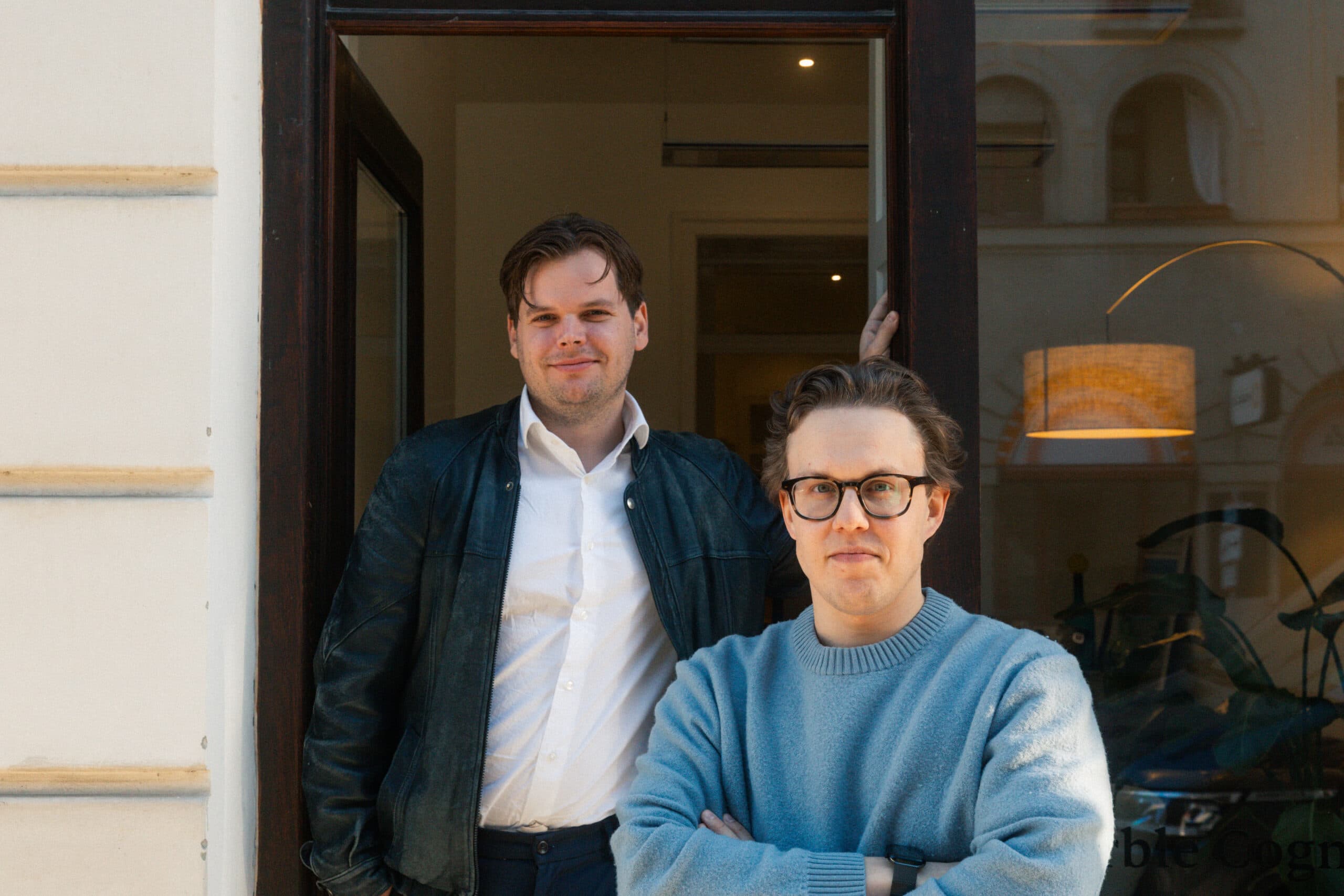
Vaeridion was founded in 2021 by Ivor van Dartel and Sebastian Seemann. With the Microliner, the company is developing a battery-electric aircraft for regional routes and operates development sites in Munich and Delft in the Netherlands.
30 Million Euro Series A2: Shift Invest and Invest-NL Lead Funding Round
The new 30-million-euro funding round is led by Dutch investors Shift Invest and Invest-NL. Additional backers include existing investors World Fund, Project A, and Vsquared Ventures, as well as Payback founder and deep tech investor Alexander Rittweger. According to its own statements, Invest-NL is contributing five million euros.
Including the new funding round and public grants already received, Vaeridion has raised around 60 million euros to date. This does not include the additionally announced 94.5 million euros from the EU Innovation Fund.
The new equity capital will primarily be used to finance the construction of the first certification-compliant prototype. In addition, Vaeridion is working on the integration and testing of its electric propulsion system and battery technology.
94.5 Million Euros in EU Funding for Electric Aircraft Production in Oberpfaffenhofen
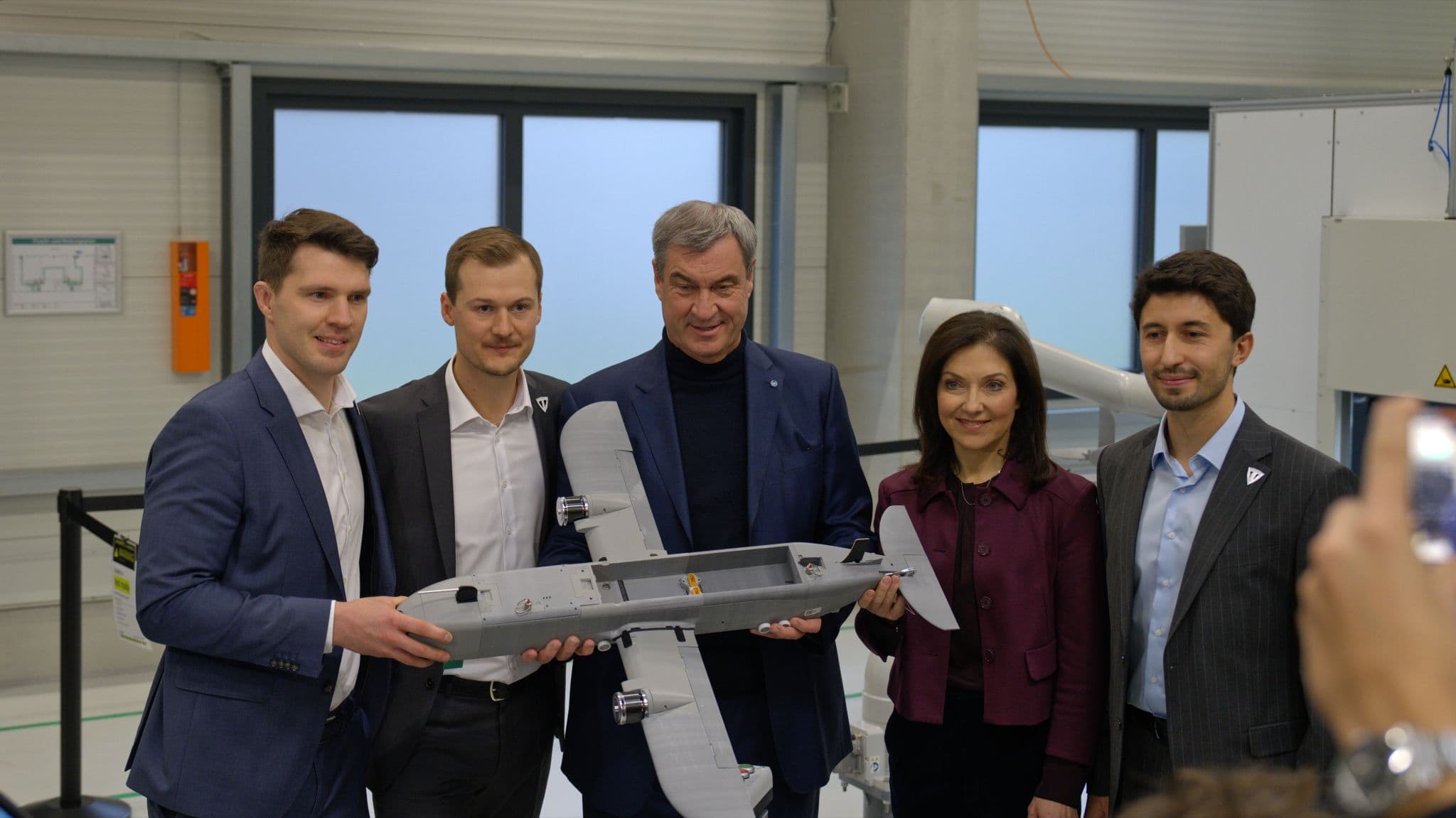
A major part of the announced funding package is allocated to the Carolus project. Europäische Kommission has selected Vaeridion for a grant of 94.5 million euros from the EU Innovation Fund.
The project prevailed in a selection process involving 358 applications. In total, twelve large-scale projects were selected. According to the company, Vaeridion is the only German company and the only aviation project in this category.
With this funding, a final assembly facility for the Microliner is to be established at Oberpfaffenhofen Airport near Munich and industrial production is to be scaled up.
The location is already significant for the aircraft’s development today. Vaeridion operates a production and test facility there, where the battery system and electric propulsion, among other components, are being tested.
Microliner: Nine Passengers and 400 Kilometers of Electric Range
Vaeridion is focusing on a different market segment than earlier German air taxi startups. Instead of vertical take-off and landing aircraft, the company is developing a conventionally taking off and landing regional aircraft with electric propulsion. The Microliner is primarily designed to serve smaller airports and regional routes.
The key technical target specifications:
- Passenger capacity: nine passengers
- Range: 400 kilometers with nine passengers under instrument flight rules
- Alternative range: up to 550 kilometers with four passengers under visual flight rules
- Propulsion: battery-electric system with propeller
- Variants: passenger and cargo aircraft
- Certification: in accordance with European EASA CS-23 requirements
- Planned market entry: 2030
Vaeridion is pursuing a business model designed for low operating costs. The company is aiming for costs of less than 0.40 euros per seat kilometer. This should enable airlines to operate regional connections economically and offer tickets at prices comparable to first-class train tickets. However, whether this calculation holds up in regular flight operations remains to be seen after certification and commissioning.
More than 130 electric aircraft worth over 730 million euros reserved
Alongside the new capital, Vaeridion is also reporting progress in marketing the Microliner. According to the company, conditional purchase commitments have been made for more than 130 aircraft with a total value of over 730 million euros. Potential customers include regional airlines, charter operators, and aircraft leasing companies. The Belgian ASL Group is slated to be the launch customer.
However, these purchase commitments should not be equated with aircraft that have already been delivered or fully secured revenue. Their fulfillment depends, among other factors, on the successful development, certification, and production of the Microliner.
EASA certification and first prototype remain crucial milestones
Technologically, Vaeridion reports having completed several development milestones over the past twelve months. These include the preliminary design review of the aircraft and a further pre-application process with the European aviation authority EASA.
The company is already testing components of its propulsion and battery system. The next key step is the construction of a certifiable aircraft prototype.
According to recent statements made to Handelsblatt, the target for the first such prototype is late 2027 or early 2028. Commercial entry into service is still planned for 2030.
Certification represents a major technical and economic challenge in this process. In particular, the safety of the high-voltage batteries, the reliability of the propulsion system, and compliance with aviation regulatory requirements must be demonstrated.