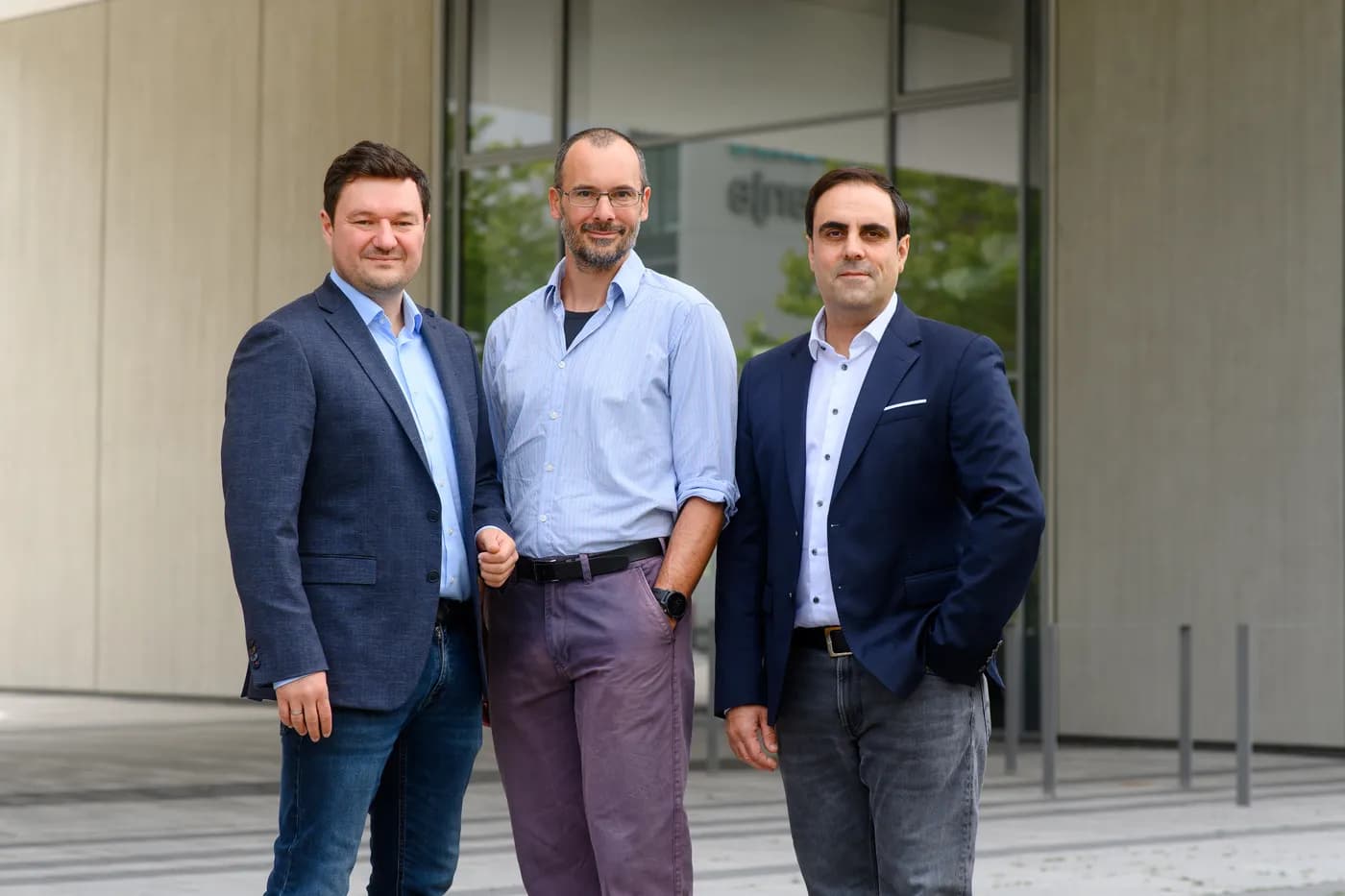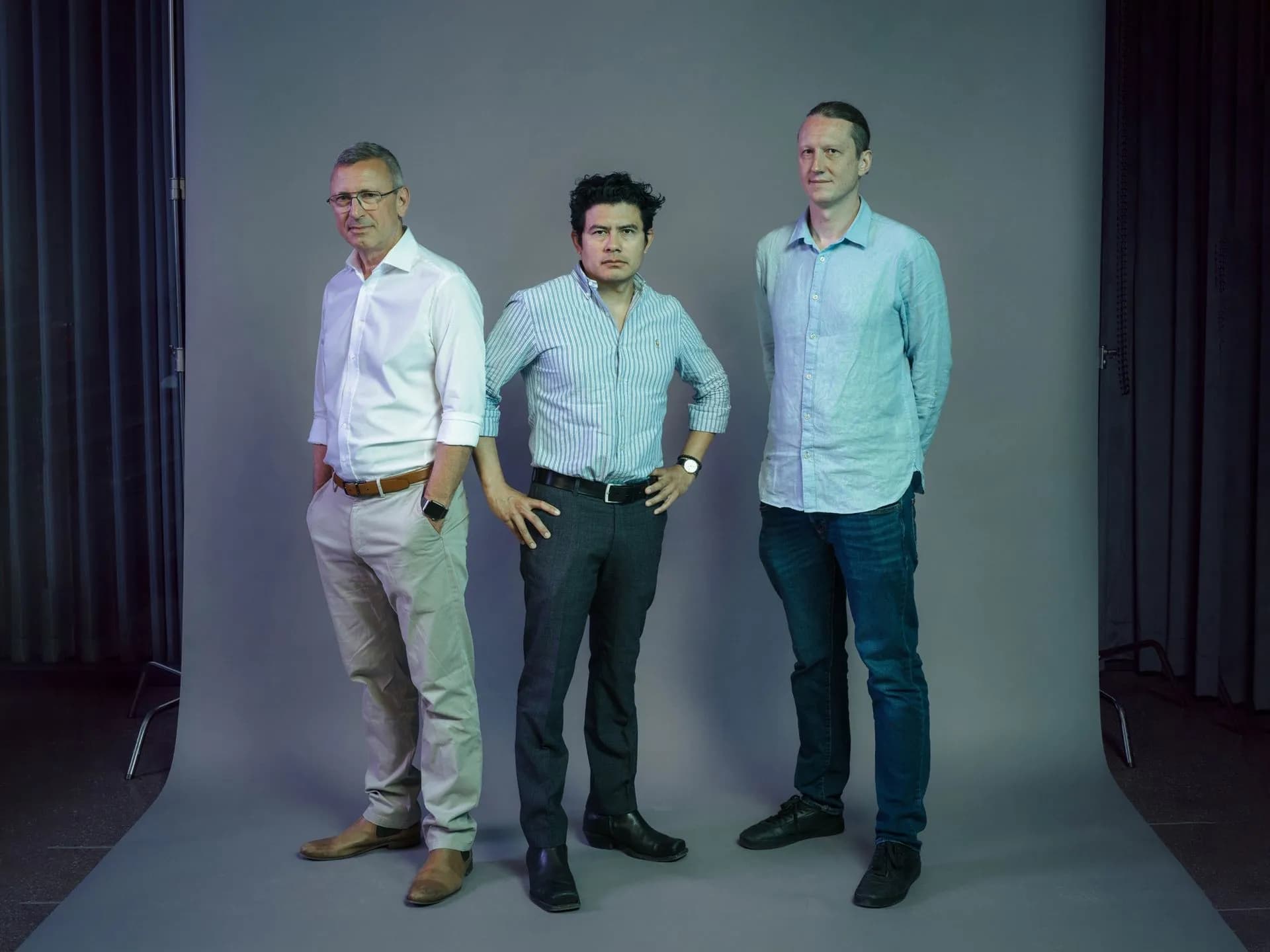

In a Europe-wide competition, eight teams ultimately prevailed out of a total of 68 applications. Now, sThesis can further develop its technology in the field of hormone sensing with non-dilutive funding in a consortium with Helmholtz Zentrum München, TUM Klinikum Rechts der Isar, and LMU Klinikum München. The Munich team is entering under the project name “Non-invasive Continuous Endocrine Phenotyping”. The goal is to develop a non-invasive technology for the continuous tracking of hormones in everyday life.
Munich Consortium Develops Non-Invasive Hormone Measurement
While hormone levels are currently mostly measured at single points in time using blood samples, sensors should be able to continuously track changes in the future. This would allow hormonal fluctuations to be analyzed much more precisely and diseases to be detected earlier.
Sprind Aims to Enable Breakthrough in Biosensors
With the challenge, Sprind aims to develop biosensors for the first time that can continuously measure at least four hormones over a period of seven days. Various biological matrices such as sweat, saliva, or interstitial fluid are being considered. In the long term, the data obtained is intended to create new opportunities for diagnostics, precision medicine, and AI-supported analysis.
Funding is provided in three stages. In the first phase that has now launched, each of the eight selected teams will receive up to 1.5 million euros. After one year, a jury will decide which projects advance to the second round with funding of up to 2 million euros. In the third and final phase, up to four teams can receive an additional 2.5 million euros.
Munich Strengthens Its Position in Digital Health
The fact that a Munich consortium is among the few selected teams aligns with the hub’s development. Innovations in the fields of medical technology, sensor technology, and AI have been emerging for years around Technical University of Munich, Ludwig-Maximilians-Universität, as well as numerous startups and research institutions.
With Sprind funding, the team now has the opportunity to further develop its technology into a validated proof of concept within the next twelve months. If successful, they stand to advance to the next funding stage.