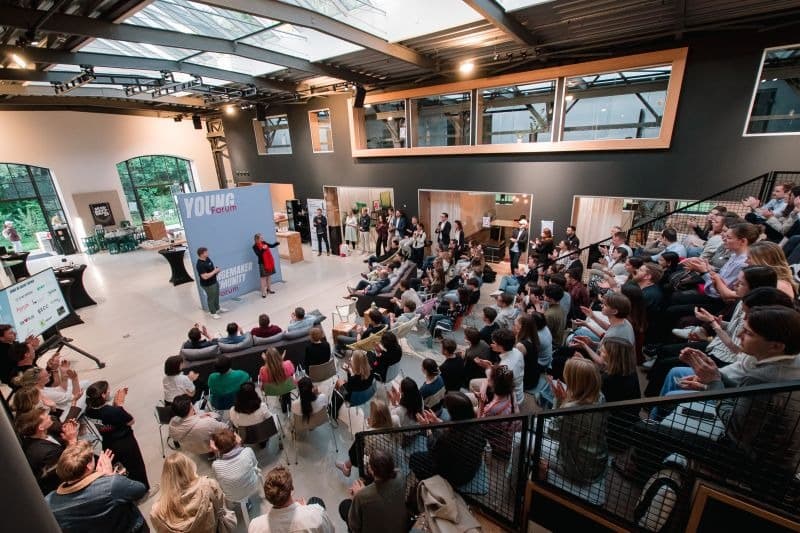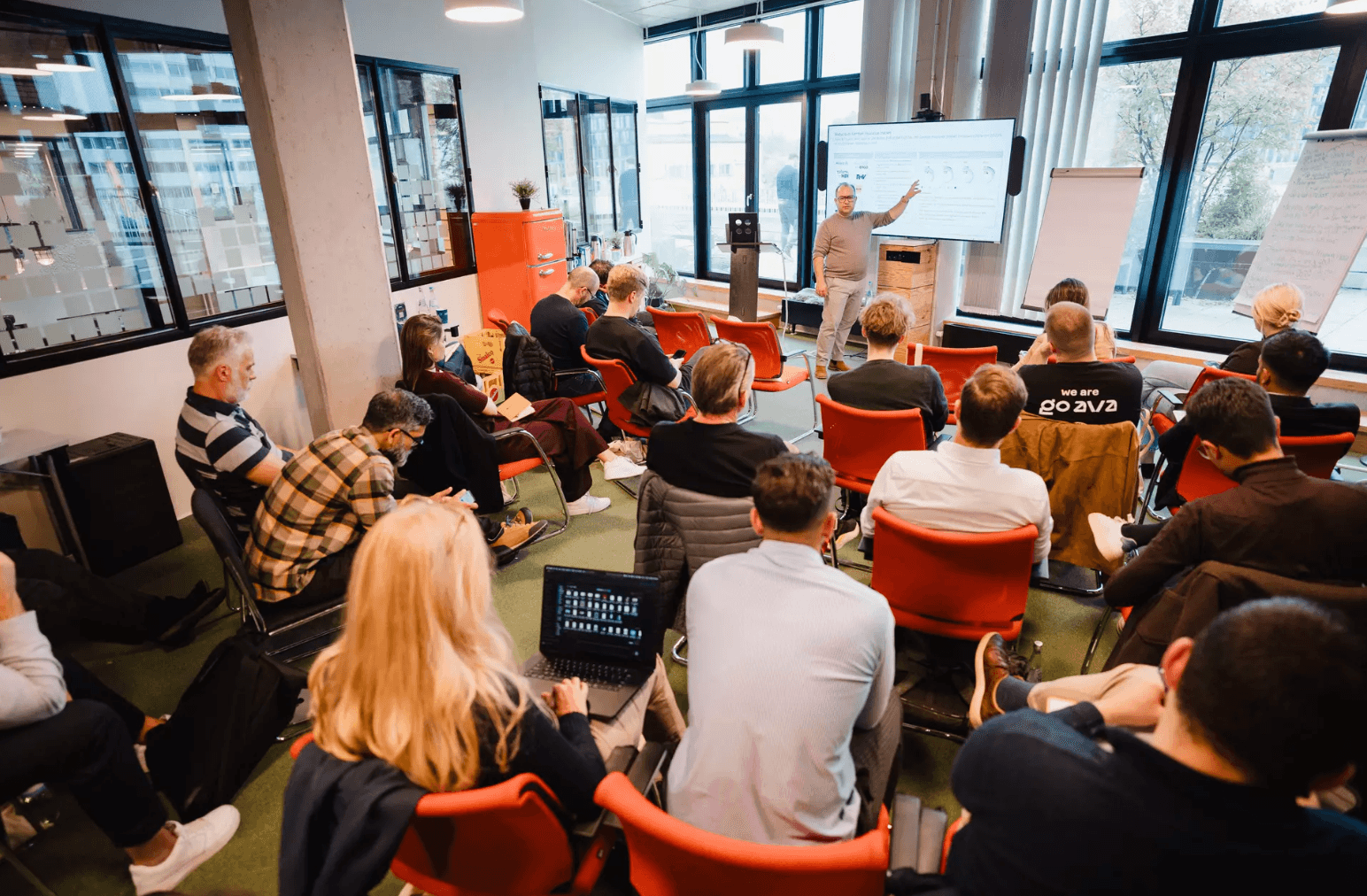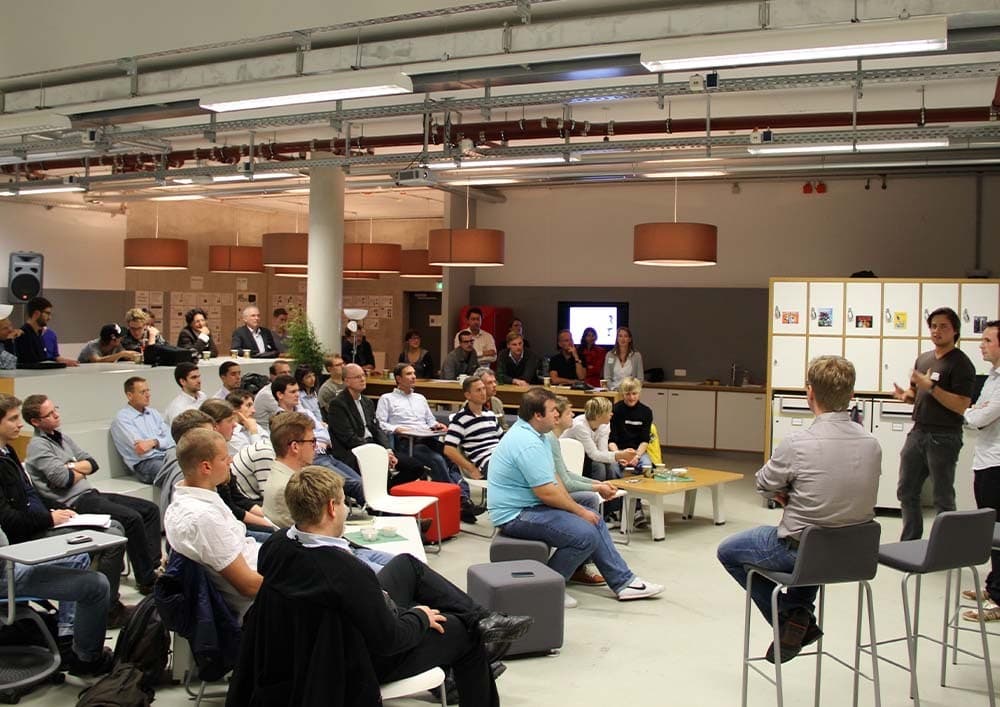

Whether founders, investors, academia, corporates or politics: They all met at the Munich Startup Festival 2026. Under the motto “No bubble, just real contacts,” the festival provided the perfect setting for new encounters, intensive discussions and plenty of inspiration. Right at the opening, moderator Kyrill Ring captured the day’s mission:
“We’re bringing the entire ecosystem together in one place today.”
Europe’s Future Starts at Your Own Doorstep
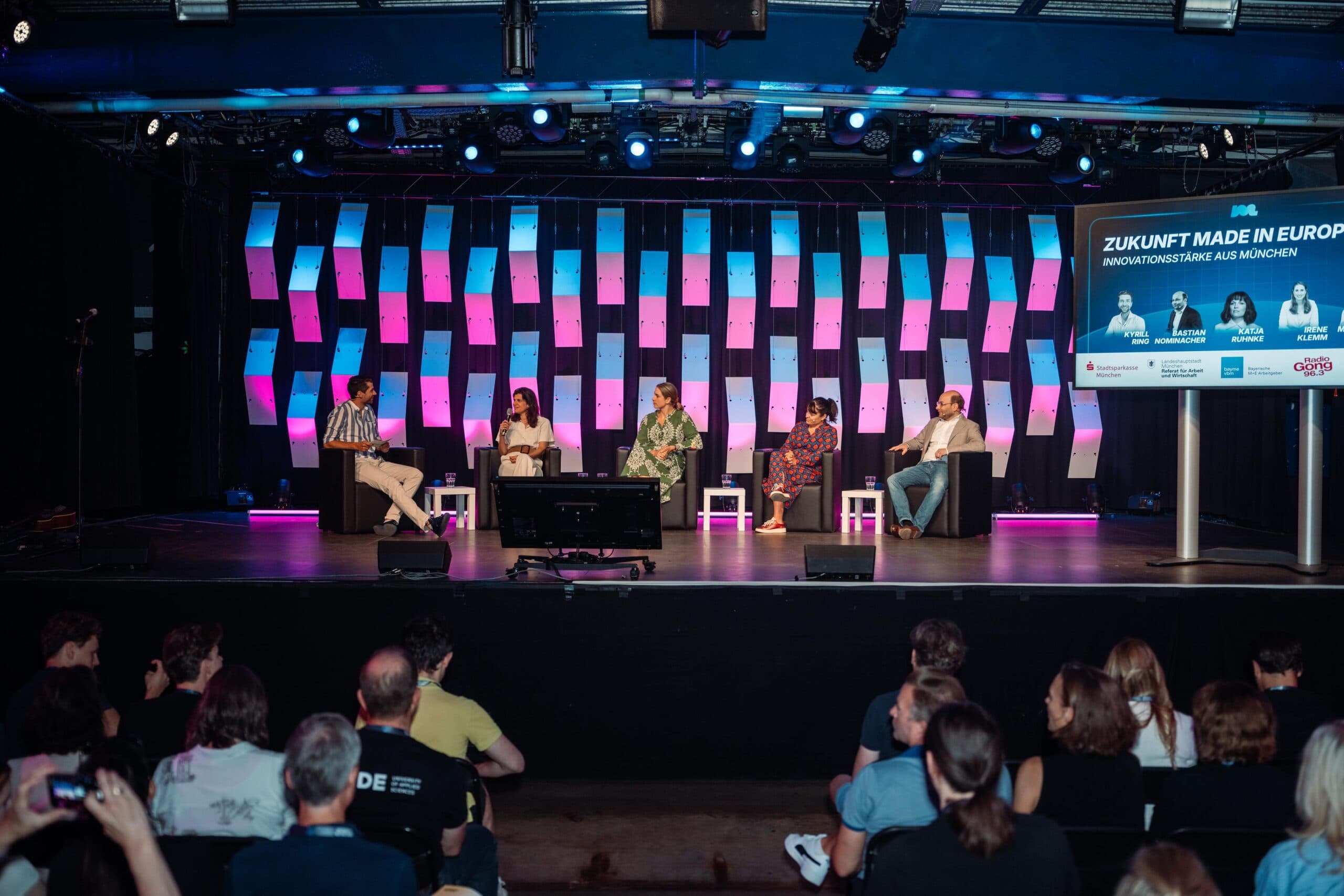
How can Europe become more innovative, competitive and independent? This question ran like a thread through the festival. The panel “Made in Europe: Innovation Strength from Munich” was accordingly one of the audience magnets.
The panelists agreed: Europe has talent, research and innovative companies, but often lacks speed and the right framework conditions.
Katja Ruhnke, Chair of the Business Angels Network Germany (BAND) and CEO of CK Venture Capital GmbH, put the challenge succinctly:
“We would have everything, but we can’t get it to market. We need a European standard – time is our ultimate enemy.”
Celonis co-founder Bastian Nominacher also clarified where he sees the greatest levers: The state must act more as a first customer and facilitate access to capital. Magdalena Oehl, board member of the Startup Association, encouraged founders despite difficult times:
“Times of crisis are times of founding.”
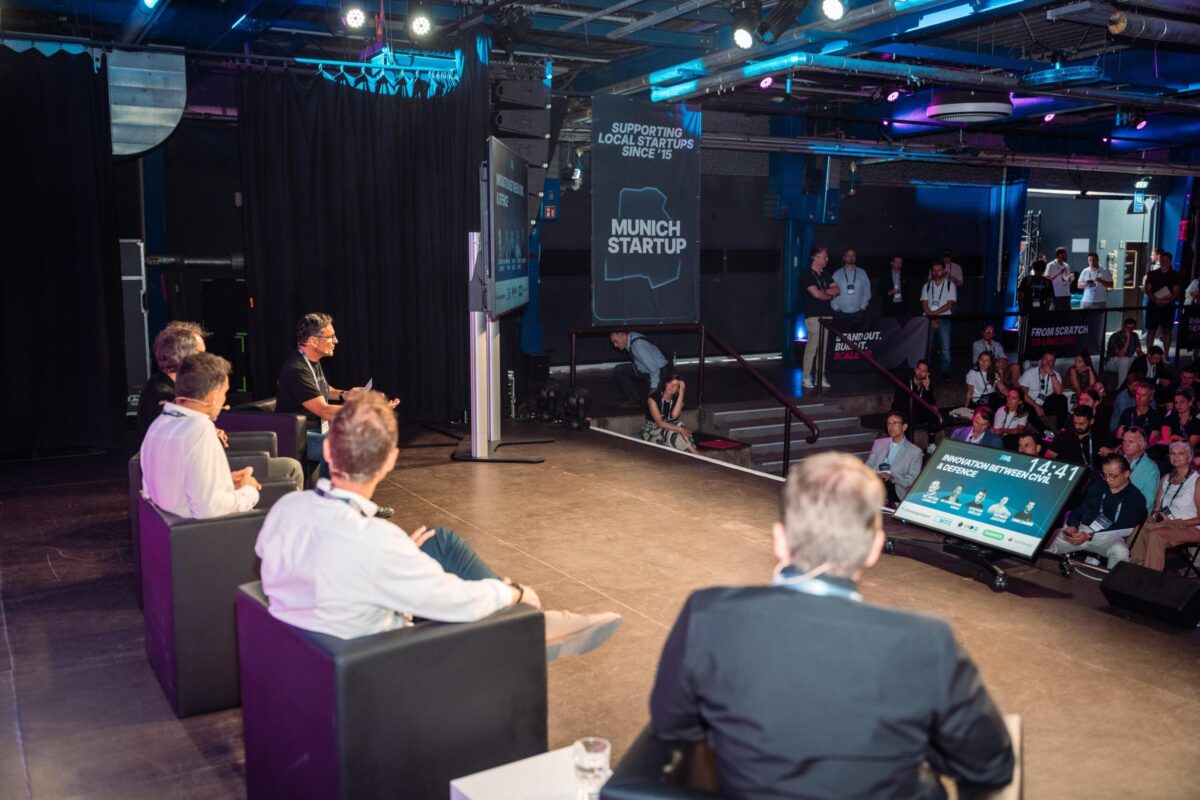
The panel “Innovation between Civil & Defence” was also among the most attended program highlights. The focus was on the growing importance of defencetech, the meaningful integration of civil and military technologies, and ethical questions surrounding the use of artificial intelligence. Patrick Jeschke from the Bundeswehr’s Cyber Innovation Hub captured the significance of Munich as a location:
“Munich is the place to be to take off in the defencetech space.”
Successful Founding Means: Staying Bold and Learning
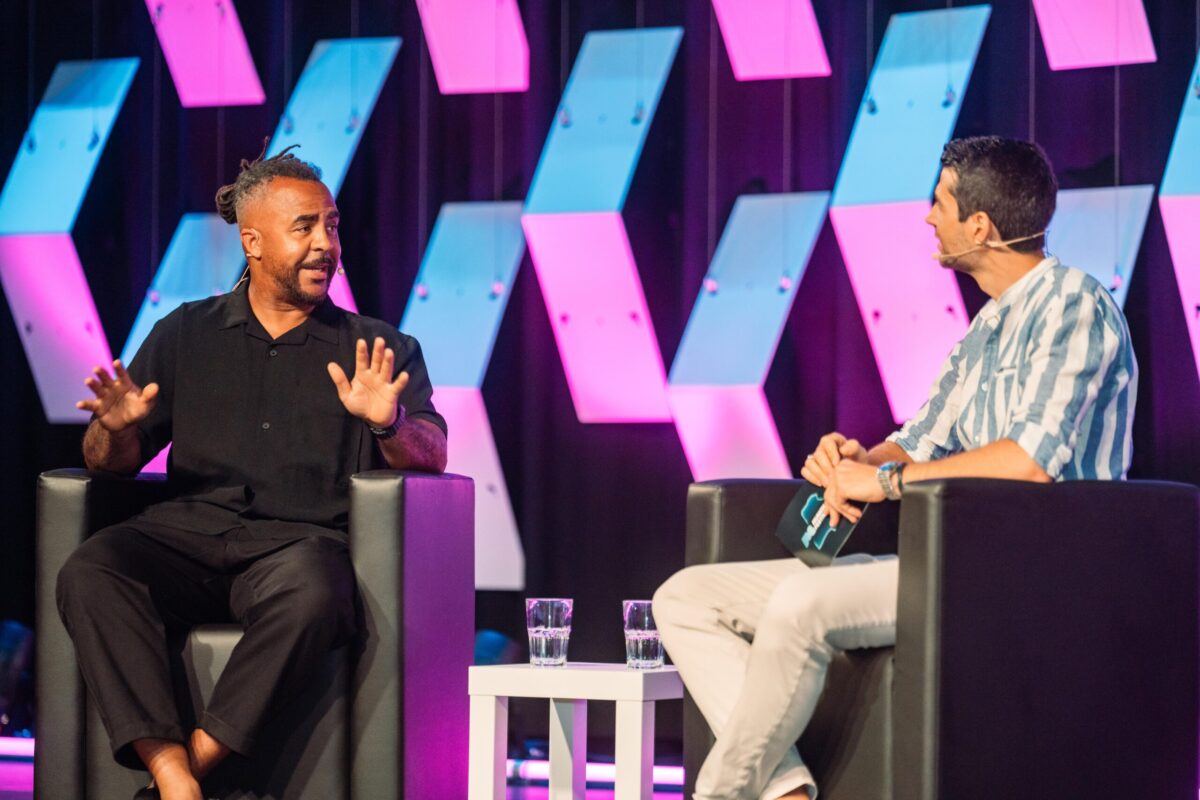
In addition to the major future topics, the festival offered numerous practical insights into the everyday life of founders. David Baumgartner shared how the restaurant chain Dean&David emerged from an idea during a world trip. His advice: Observe successful concepts from other countries and adapt them for the German market. At the same time, he recommended that founders rely on their own growth for as long as possible before raising external capital.
Florian Sauter looked back on Egym’s journey from a two-person startup to a unicorn. Early feedback from the market and a company culture where people enjoy working were particularly important.
Former footballer and investor Patrick Owomoyela also drew parallels between elite sports and entrepreneurship. Setbacks are part of it; what matters is resilience and perseverance. Sometimes the longer path is more successful than a quick exit.
Munich’s Innovation Power from Different Perspectives
Other panels focused on the next generation of entrepreneurs, the internationalization of young companies, biotech spin-offs, and the opportunities of Munich’s spacetech industry.
In the panel “NextGen Takes over – Setting the Course for the Next Generation,” Werk1 CEO Robert Richter, business angel Chris Obereder, and Baystartup CEO Carsten Rudolph discussed what skills founders will need in the future. Their conclusion: Beyond technical know-how, judgment, willingness to learn, courage, and perseverance are what determine success today. At the same time, business succession is increasingly coming into focus as an exciting alternative to traditional start-ups.
In the “Go Global or Go Home?” panel, Flix co-founder Daniel Krauss, Christina Niedermeyer from Plug and Play, Benjamin Domnick, founder of Wow Urbane Utopien, and Matthias Notz, CEO of Start2 Group, shared their experiences with international scaling. They agreed that founders should think globally early on. At the same time, they made clear that internationalization requires not only capital but also reliable networks, an international mindset, and a strong team on the ground.
The biotech and spacetech panels also demonstrated Munich’s role as an innovation hub. Philipp Baaske, Vice President for Entrepreneurship at LMU, Yasmin Gärtner, co-founder of Epicure, and Christina Port, CEO of 2NA Fish, described how scientific research can be successfully transferred into companies. In the spacetech panel, Joram Voelklein from Alpine Space Ventures, Deltavision CEO Alex Plebuch, and Florian Dötzer from TUM Venture Lab Aerospace emphasized that Munich, thanks to its research landscape, talent pool, and investors, has ideal conditions to establish itself as one of Europe’s leading spacetech hubs.
8pm Social Wins the Munich Startup Award
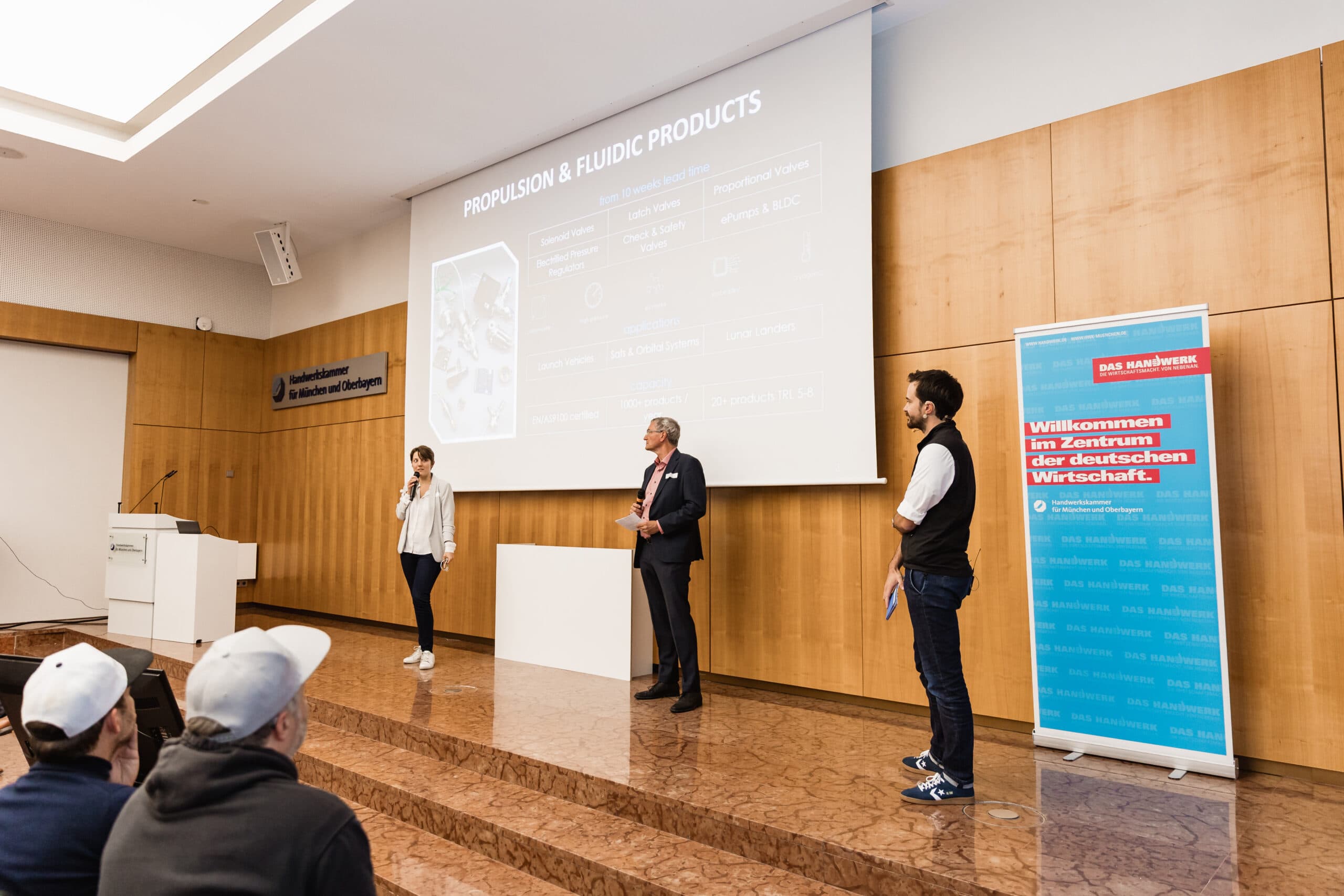
An emotional highlight of the festival was the finale of the Munich Startup Award. The finalists presented their companies live to the audience and jury. In the end, 8pm Social won them over.
The startup is developing a social network that puts personal relationships back at the center. The feed is only updated once daily at 8 p.m. and is designed to encourage users to engage more consciously with social media.
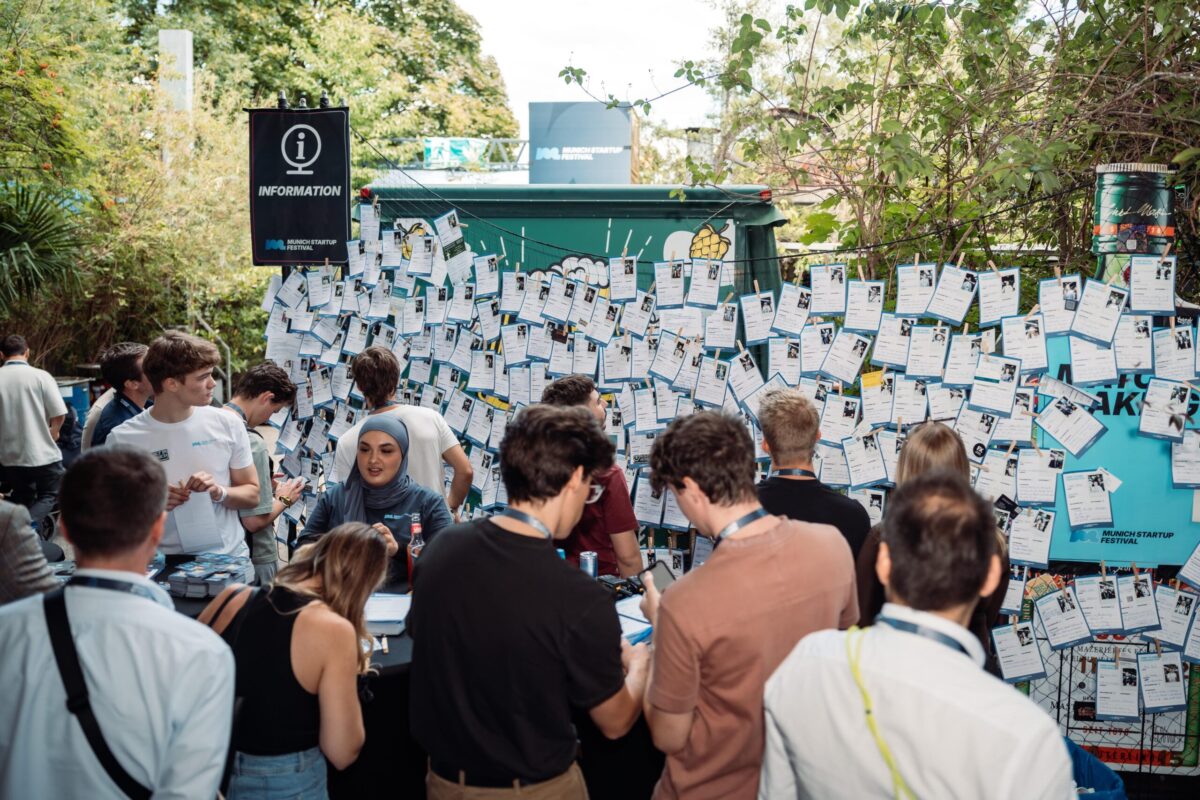
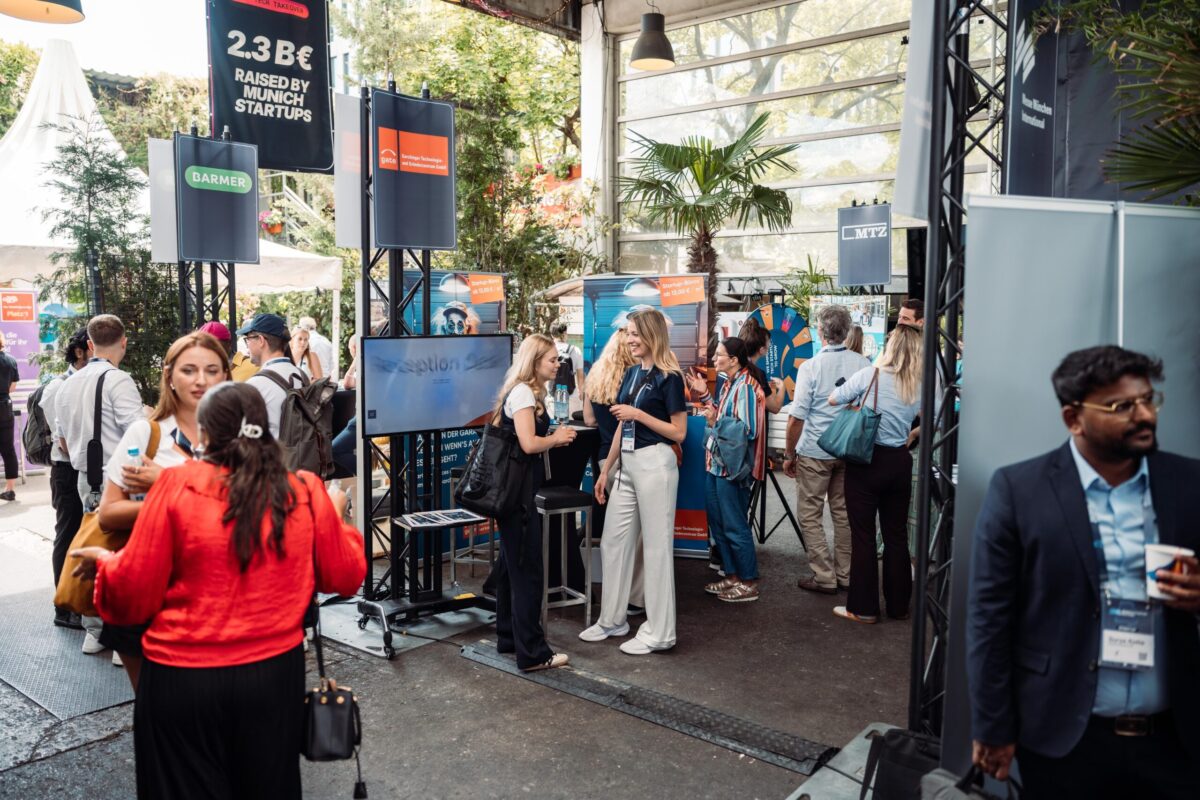
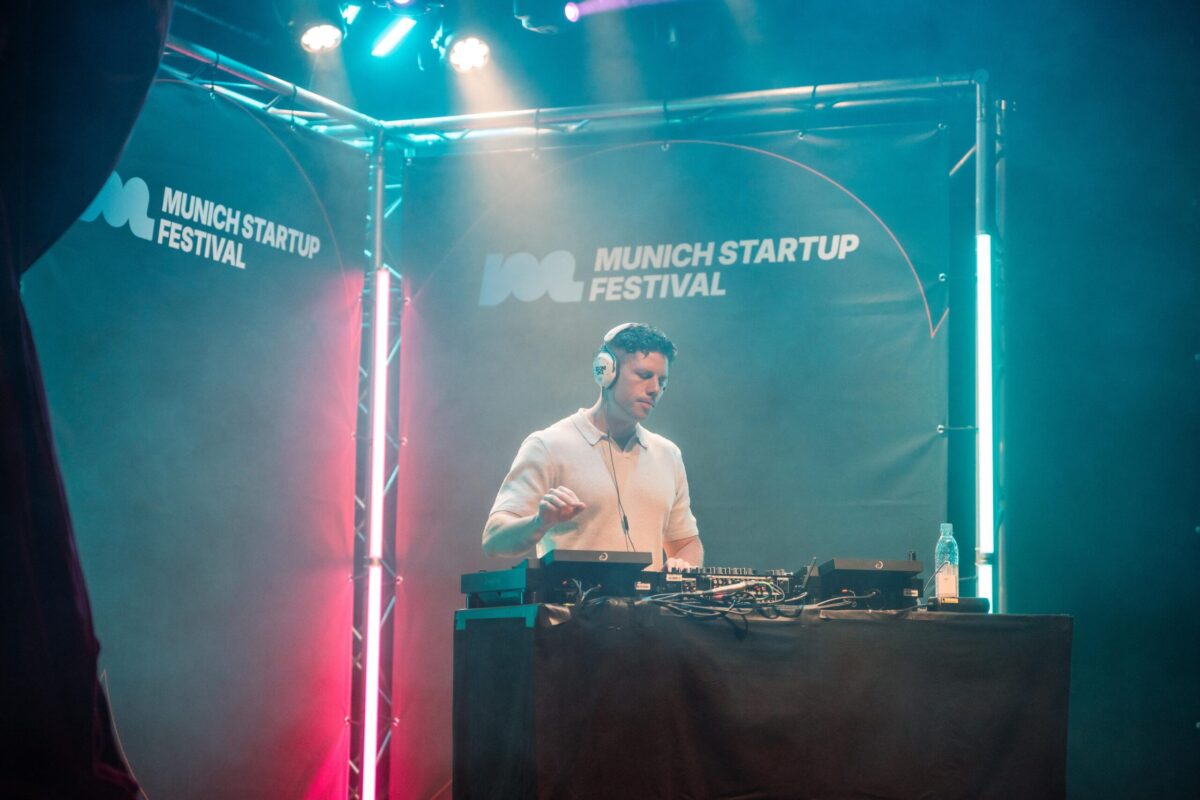
But the Munich Startup Festival doesn’t live by its stages alone. At speed networking, the networking wall, in workshops, and between program items, new contacts were made throughout the day. The 360° photo booth, tattoo and airbrush stations, and the evening’s musical program featuring Saxoclap and DJ provided authentic festival atmosphere into the evening.