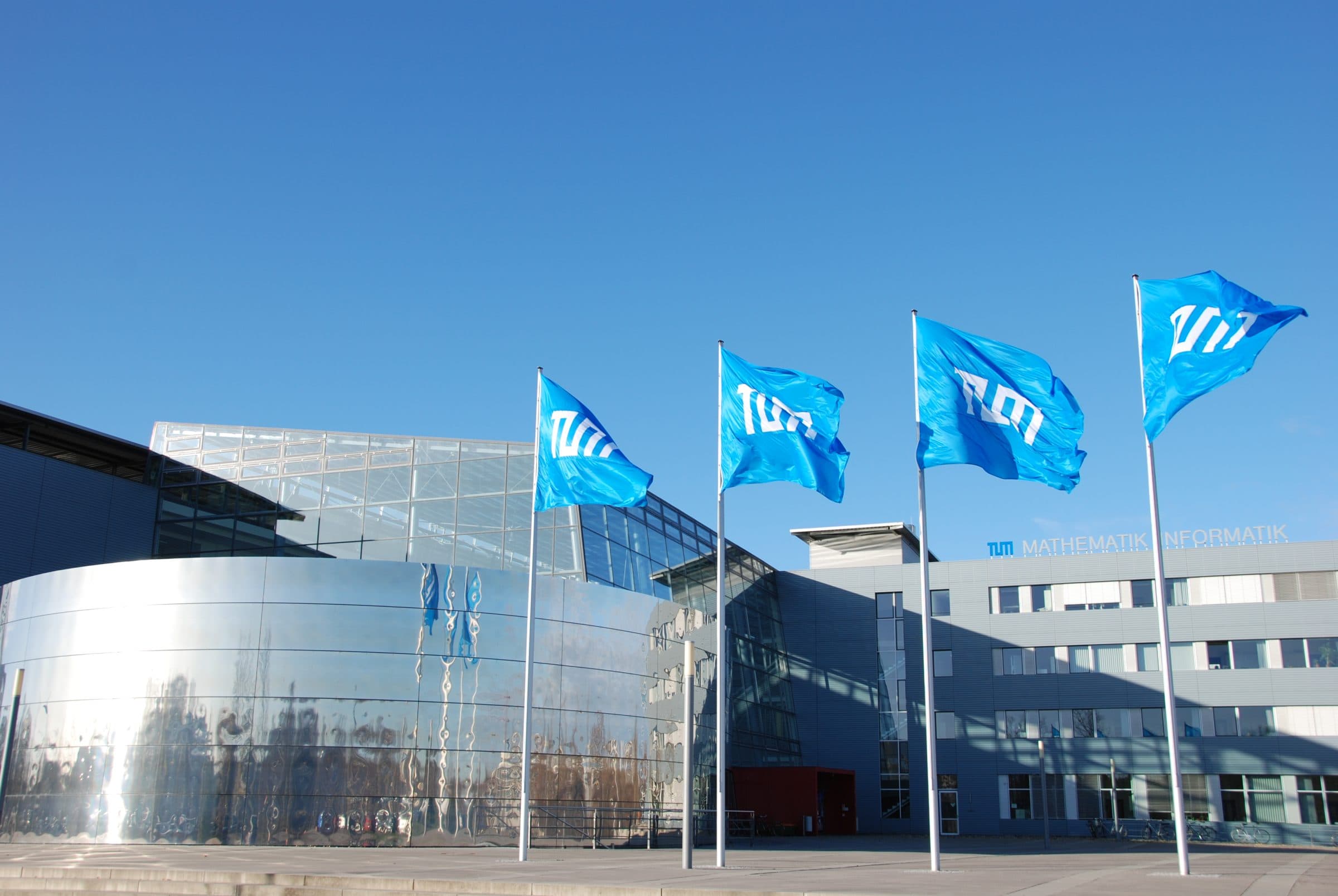

Munich maintains its top position in the startup ecosystem in university comparisons as well. An analysis by Gisma University of Applied Sciences concludes: Many founders of successful exit startups studied at Munich universities. The Technische Universität München (TUM) leads the ranking clearly with 34 founders, followed by Ludwig Maximilians University Munich (LMU) with 15. In total, 49 of the identified founders come from these two institutions.
For the analysis, Gisma evaluated 196 exit companies from the DACH region, including company sales, acquisitions, and IPOs. In total, the study identified 436 founders. In direct comparison: no other university location achieves a similar density of successful founders as Munich. Behind the two Munich universities, RWTH Aachen follows with a clear gap, with ten founders, and the University of St. Gallen with nine. Other universities such as TU Berlin, the University of Münster, and the University of Cologne each have eight mentions.
Technology and business shape education
The analysis also reveals clear patterns in fields of study. Computer science leads with 36 mentions and underscores the importance of technological competencies for successful ventures. Business administration follows with 33 mentions, while business informatics ranks third with 25 mentions. The field is complemented by business sciences (20) and engineering business management (15). Overall, there is a broad academic base ranging from classical engineering sciences to more specialized fields such as aerospace engineering or health economics.
At the highest level of academic qualification, master’s degrees clearly dominate: 156 founders hold this degree. Bachelor’s degrees follow with 63, and diplomas with 48 mentions. Additionally, 49 doctorates were recorded. For a further 48 founders, no information on their degree was available. International degree programs such as business administration were counted separately and account for 14 mentions.
Significant gender gap persists
The gender distribution among founders remains significantly unbalanced. 390 of the 436 identified individuals are categorized as male, while 46 are female. This corresponds to a share of 89.4 percent men and 10.6 percent women.
The analysis of first names also reflects this distribution. Names such as Matthias (ten mentions), Daniel, Sebastian, and Thomas (nine mentions each) appear particularly frequently. Other common male names are Andreas, Max, Michael, Philipp, and Stefan with eight mentions each. On the female side, Julia with four and Katrin with three mentions lead the list. Additionally, the analysis identifies a total of 50 internationally influenced first names.