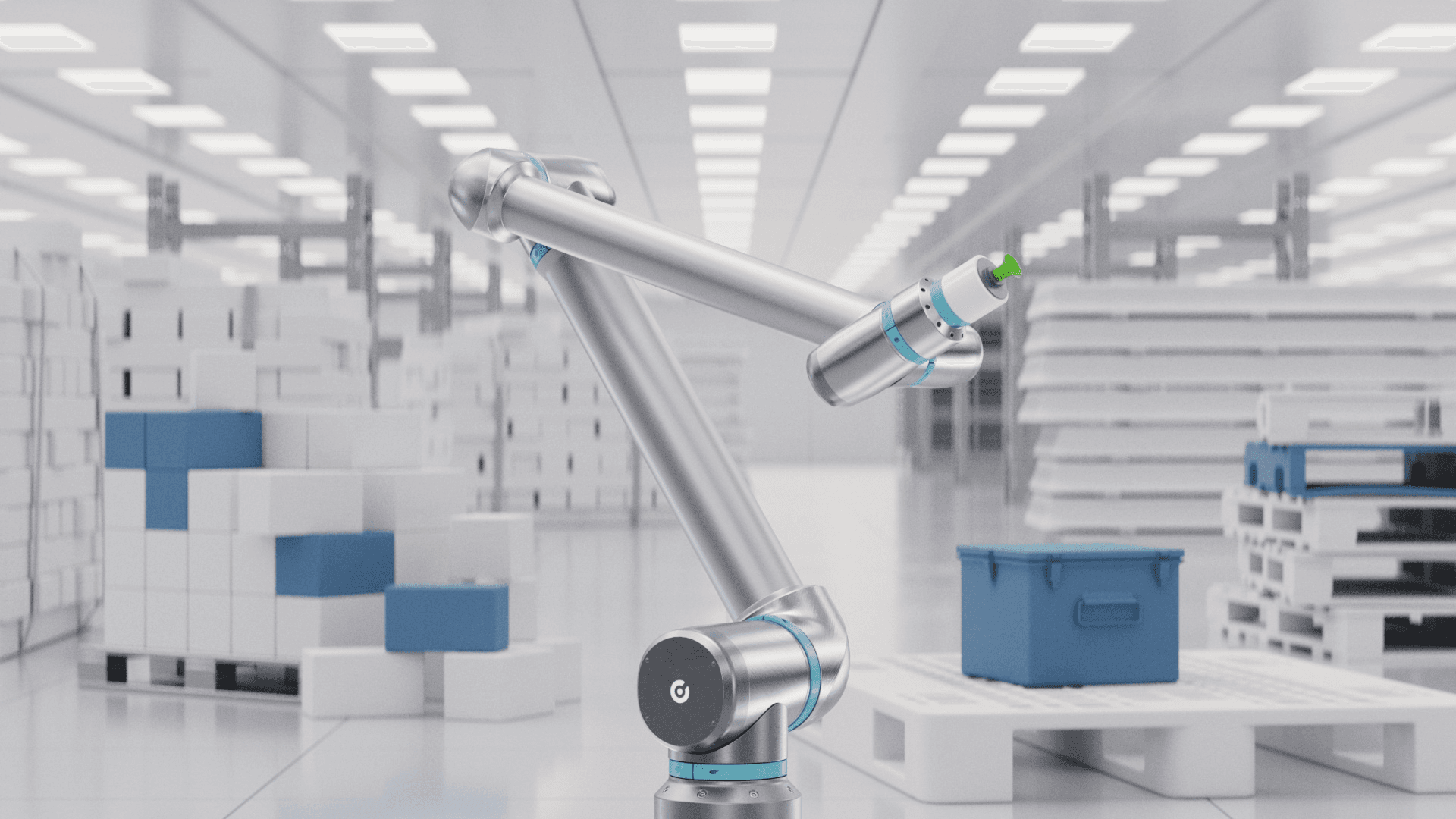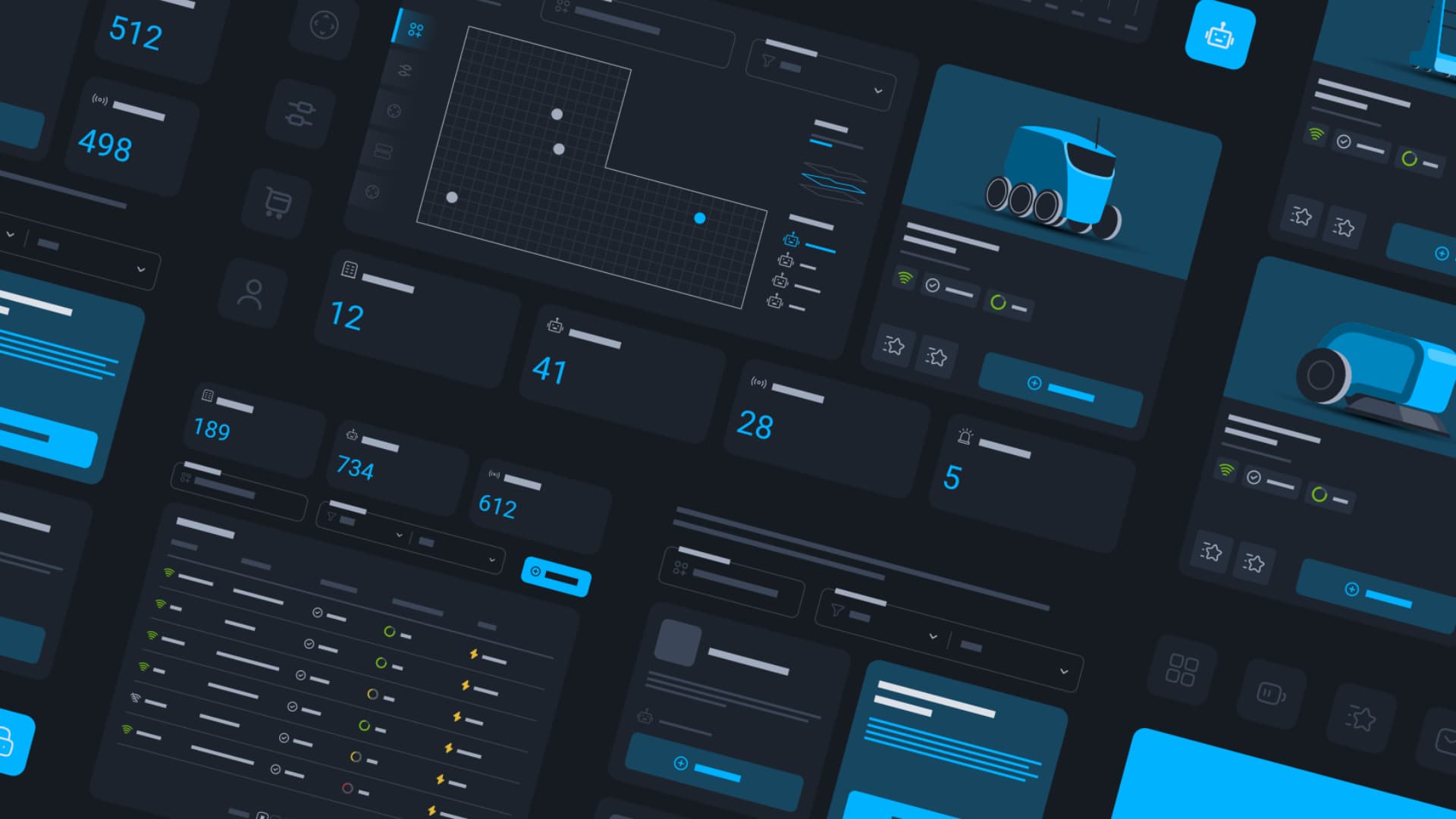

Through Olivaw’s platform, users can control, monitor, and equip robots from various manufacturers with additional skills. For this concept, the startup has secured a seven-figure amount in pre-seed funding. The investors are experienced business angels and entrepreneurs with diverse backgrounds, including Sebastian Winkler von Mohrenfels from the Baystartup network. Additionally, an early-stage venture capital fund from Plug & Play participated in the round.
Barbara Dombay, head of Baystartup’s investor network, says:
“The deployment of service robots in areas such as transport or cleaning is increasingly urgent given the growing shortage of skilled workers and a rapidly growing market. Olivaw expands this market further through ‘upskilling’ service robots. This allows them to be used even more comprehensively. Through vendor-independent deployment, Olivaw has the potential to become the central, intelligent hub for all service robot topics.”
And Sebastian Winkler von Mohrenfels, business angel from the Baystartup investor network, adds:
“Professional service robotics is a clear trend and efficient fleet management is becoming increasingly important. Olivaw has good prospects of becoming a European champion with its vendor-independent platform. The business and technology concept is convincing and has scaling potential. The founding team brings the right drive, extensive robotics expertise, and experience from international corporate structures as well as successful business ventures in the past.”
Olivaw simplifies fleet management
Olivaw’s software solution is designed to unite the management of robot fleets from different manufacturers on a single platform, thereby reducing complexity and costs. The offering is aimed at robot manufacturers, distributors, and companies in building management, cleaning, security, hotels, hospitals, and airports that operate their own robot fleets.
Additionally, manufacturers can develop and distribute skills for robot applications using the Olivaw platform, similar to an app store for smartphones. By adding various services and skills, robots can be optimally configured for their specific use case. A practical example is automatic fill level reporting, which is already in use at Munich Airport, or a weather skill that makes cleaning robots clean more frequently.