
Personio is pursuing a clear strategy with the acquisition of Circula. Previously separate processes are to be brought together, allowing HR data, payroll, and expense management to converge on a single platform in the future.
Until now, HR and finance departments have mostly worked with different systems. A unified platform would simplify many workflows. Expenses, payroll data, benefits, and corporate cards each carry tax and regulatory implications, and often need to be transferred back into payroll or financial accounting.
Personio describes the combination as the first European platform to bring together HR, payroll, and spend management in this way. Circula is by no means an unfamiliar partner: The two companies have already been working together for several years, and according to company information, hundreds of shared customers are already using the integration between the two systems today.
Circula Brings 250,000 Users and DATEV Expertise
Circula was founded in Berlin in 2017 and specializes in spend management for European companies. The platform covers out-of-pocket expenses, travel costs, corporate cards, employee benefits, and incoming invoices, among other things.
According to recent company data, more than 3,000 companies with a total of 250,000 users rely on the software. Circula is also a DATEV Premium Partner and designed its platform specifically with German tax law and GoBD-compliant expense workflows in mind.
It is precisely this specialization that is relevant to Personio. Over recent years, the Munich-based software provider has built up its own payroll solution. Circula now adds tax and regulatory expertise for the expense side.
The goal is for companies to no longer treat salaries, benefits, expenses, and corporate cards as separate processes.
DATEV Integration to Be Deepened in Personio and Circula
DATEV plays an important role in this. Both Personio and Circula already feature integrations through which data can be transferred to payroll and financial accounting systems, respectively.
Following the acquisition, these interfaces are to be expanded further. The companies also aim to integrate collaboration with tax consultants more closely. According to their own statements, both providers have built up communities of several hundred tax consultants each.
For Personio, this makes strategic sense, because the more HR, payroll, and financial processes are interconnected within a single platform, the less data customers have to synchronize between specialized standalone solutions. At the same time, however, stable integration with established accounting and tax solutions like DATEV is also becoming increasingly important.
Circula to remain available as an independent product
For existing Circula customers, little is expected to change for now. Since October 6, 2026, the company has been operating under the name “Circula by Personio,” and the team is moving to Personio.
However, Circula is not intended to become a product exclusively available to Personio customers. Companies using Circula without Personio can continue to use the solution independently. It will also continue to be developed as a standalone product.
For mutual customers, however, an increasingly deep technical integration is planned. Employee data, cost centers, approval workflows, and payroll data can already partially be synchronized between both systems today.
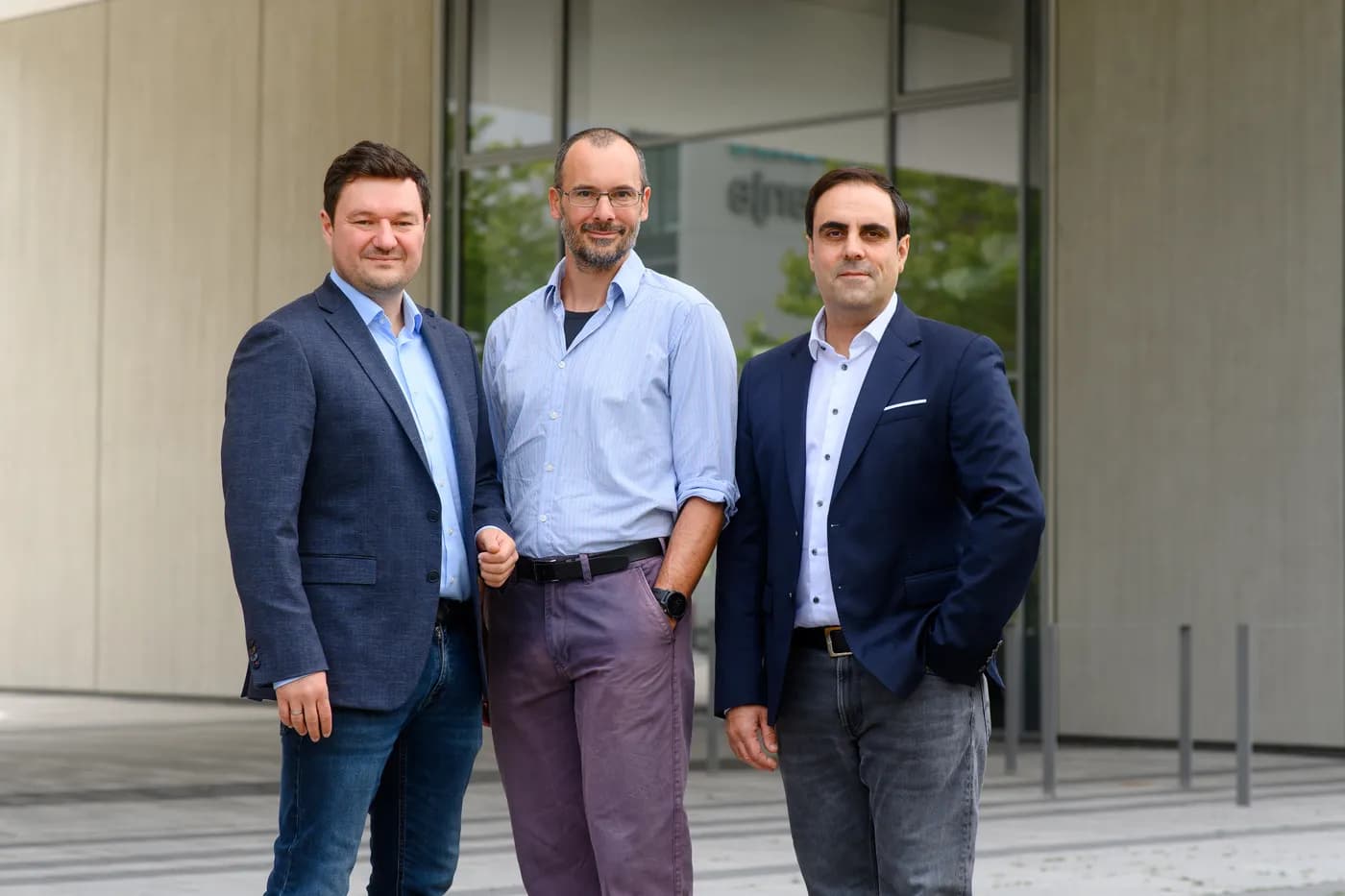
“Circula has already solved the synchronization of employee data between expense management and HR platforms, and hundreds of joint customers are already using this integration today. Until now, however, the tax logic for expense management and payroll was always built by two different companies,”
says Nikolai Skatchkov, CEO and co-founder of Circula.
“Joining forces with Personio changes that. For our customers, both the DATEV integration and Circula’s expertise will remain unchanged – but HR, expenses, and payroll are now being designed as a unified solution.”
Acquisition Follows Personio’s First Profitable Quarter
The Circula deal coincides with a new phase in Personio’s development. The company, founded in Munich in 2015, announced in April 2026 that it had achieved a profitable quarter for the first time. At the same time, Personio acquired the Munich-based recruiting AI startup Aurio. This marks another acquisition within a few months as Personio continues to expand its product portfolio.
According to the company, more than 16,000 businesses with around 1.6 million employees currently use the HR and payroll platform. Personio employs more than 1,500 people across six European locations.