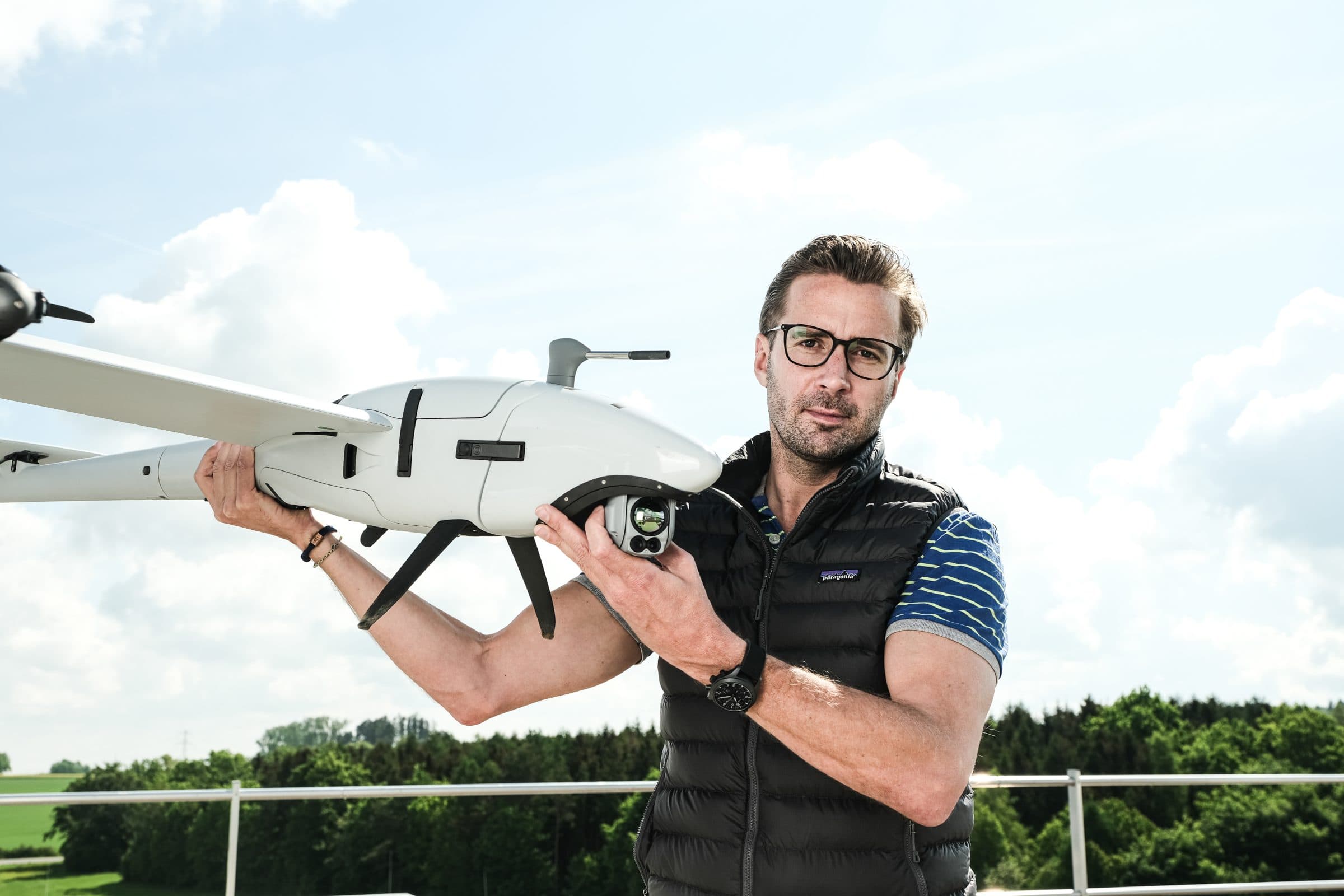

The German Aerospace Industries Association (BDLI) has created a new board position: startup representative. The presidency elected Florian Seibel, co-founder and co-CEO of Munich-based startup Quantum Systems, for this role. With this new function, the BDLI aims to make the role of startups in the aerospace industry more visible and to actively support them.
Michael Schoellhorn, BDLI president and Airbus Defence and Space CEO, explains:
“Startups are essential for the future viability of our industry. Particularly in collaboration with established companies, they can develop tremendous innovation and economic power. With Florian Seibel, we are gaining one of the most innovative minds in German aerospace for this important role.”
Building bridges between startups and industry
Seibel himself comments:
“As startup representative, I will further strengthen the connection between the aerospace industry and our dynamically growing, technology-driven startup ecosystem. Our goal is to promote innovative business models, make the industry’s future viability visible – and together with startups, actively shape technological development – whether civilian or military, in the air or in space.”
The BDLI represents more than 260 member companies with around 52 billion euros in annual revenue and 120,000 direct employees. Young companies can apply for membership if they have been active on the market for less than five years, employ fewer than 100 employees, and achieve annual sales of less than 10 million euros.
The BDLI is part of the European umbrella association AeroSpace and Defence Industries Association of Europe and the German Industry Association. Additionally, it co-organizes the ILA Berlin with partners, one of the leading international aerospace exhibitions.
Seibel is co-founder and co-CEO of Quantum Systems. Since its founding, the Munich-based startup has developed into an internationally active company with 9 locations in 7 countries. Previously, Seibel served as an officer in the German armed forces from 1999 to 2016. He studied aerospace engineering at the Technical University of Munich and later worked as a research associate on unmanned aerial systems.