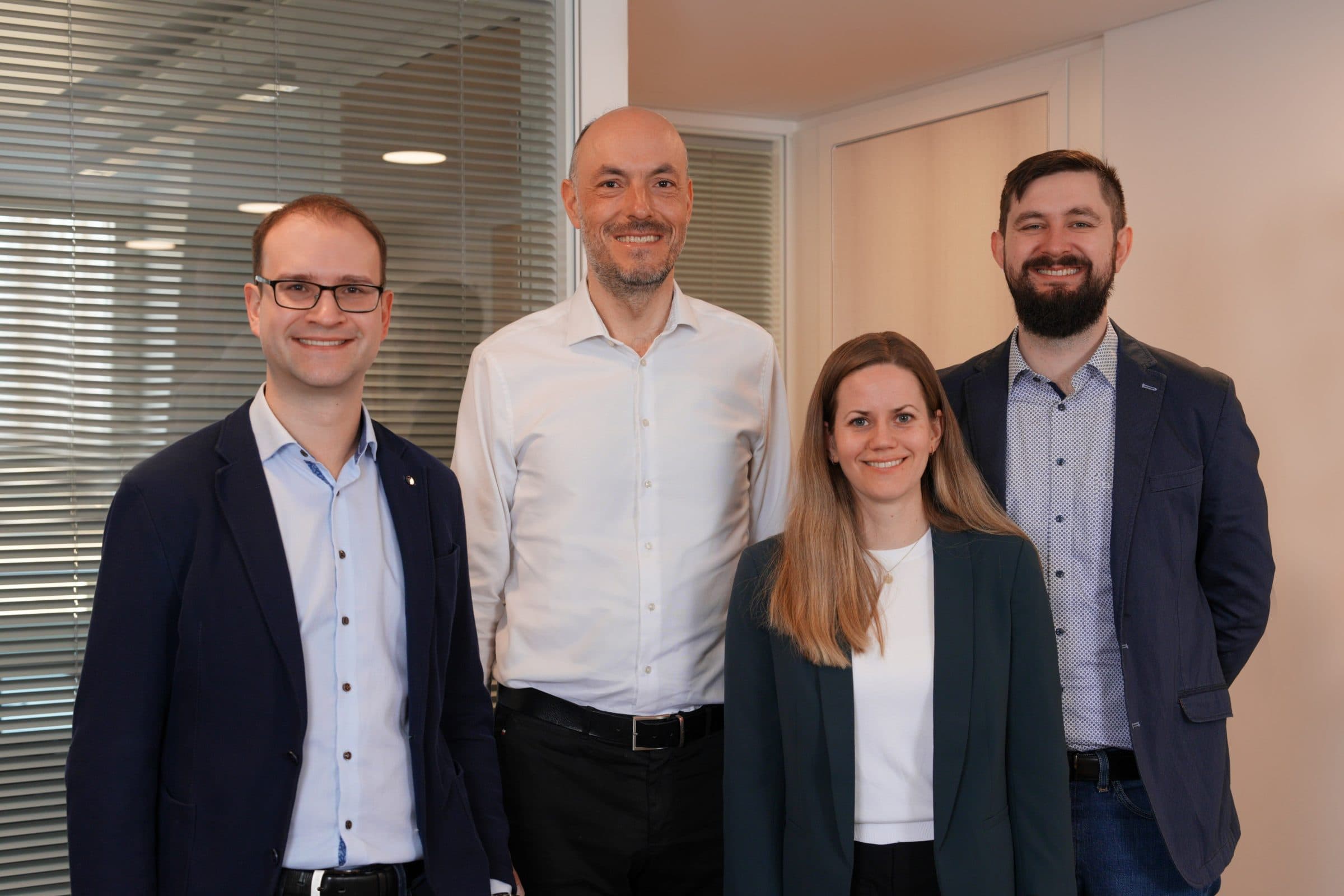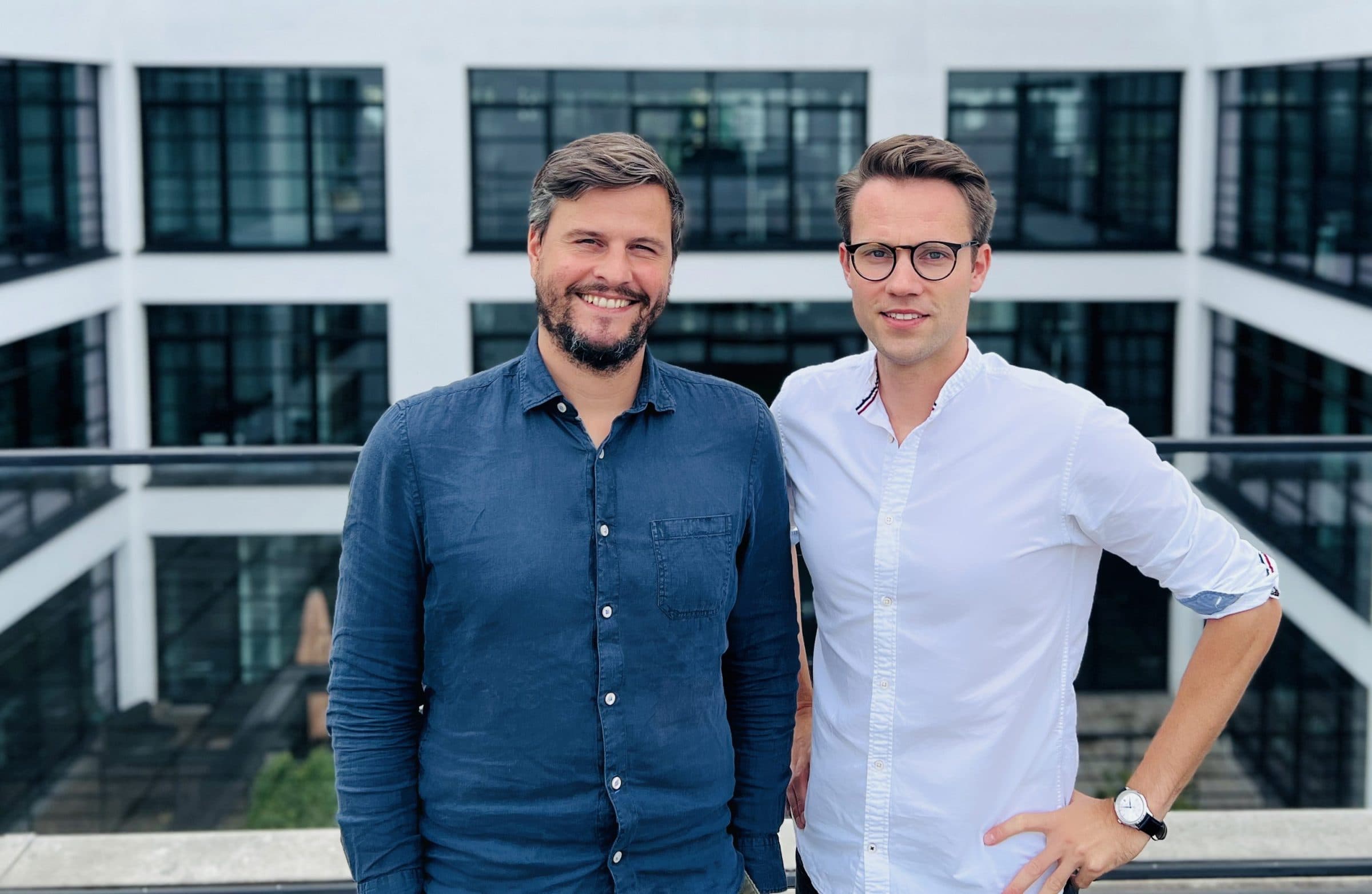

Locaboo offers cities and municipalities a more efficient way to manage and book public spaces, sports facilities, and event venues through its cloud-based solution. The software is designed to increase efficiency and sustainability in resource utilization and support the data foundation for future urban development. With the successful seed funding round, the govtech startup is now leaving its bootstrap phase and bringing investors Scalehouse Capital and Ventis on board. Locaboo co-founder and CEO Andreas Michel comments:
“With the support of our investors, we want to further expand our market position and become an indispensable partner for cities and municipalities. This enables us not only to increase efficiency but also to create the foundation for sustainable and forward-looking municipal administration.”
“Leading role in digitizing the public sector”
Jesse Jeng, founder of Scalehouse Capital, emphasizes:
“Locaboo’s ability to deliver efficient solutions for complex administrative tasks has impressed us. They have the potential to take a leading role in the digitalization of the public sector.”
Against the backdrop of the currently challenging situation for startups, investor Christoph Sagemann, CEO of Ventis, highlights:
“Locaboo’s capital efficiency and strong growth have convinced us. We look forward to supporting the team on their journey.”
Fresh capital & plenty of plans
With the newly raised capital, the govtech startup, which already counts over 500 customers according to its own information, aims to expand its team and strengthen market penetration in the DACH region. At the same time, the team plans to continue developing the innovative cloud solution and ensure even deeper integration into the process landscape of cities and municipalities.
Locaboo was founded in 2021 by Michael Loy and Andreas Michel. In an interview with Munich Startup, Andreas Michel talks about his company’s founding story:
“In our case, the actual founding of Locaboo GmbH came at the end of a development process. Michael completed his IT training at a district town years ago and already recognized back then that administrative processes in the area of municipally used buildings and properties, particularly the allocation of sports facilities, were still very manual and hardly digitalized. The realization that these buildings remain unused for up to 90 percent of their operational lifetime ultimately convinced us to tackle this issue together. Our focus was not solely on digitizing administration. Our goal then and now is to create a sustainable solution that enables everyone to efficiently utilize the existing and diverse resources while simultaneously improving quality of life in cities.”