
International talent as the key to startup growth
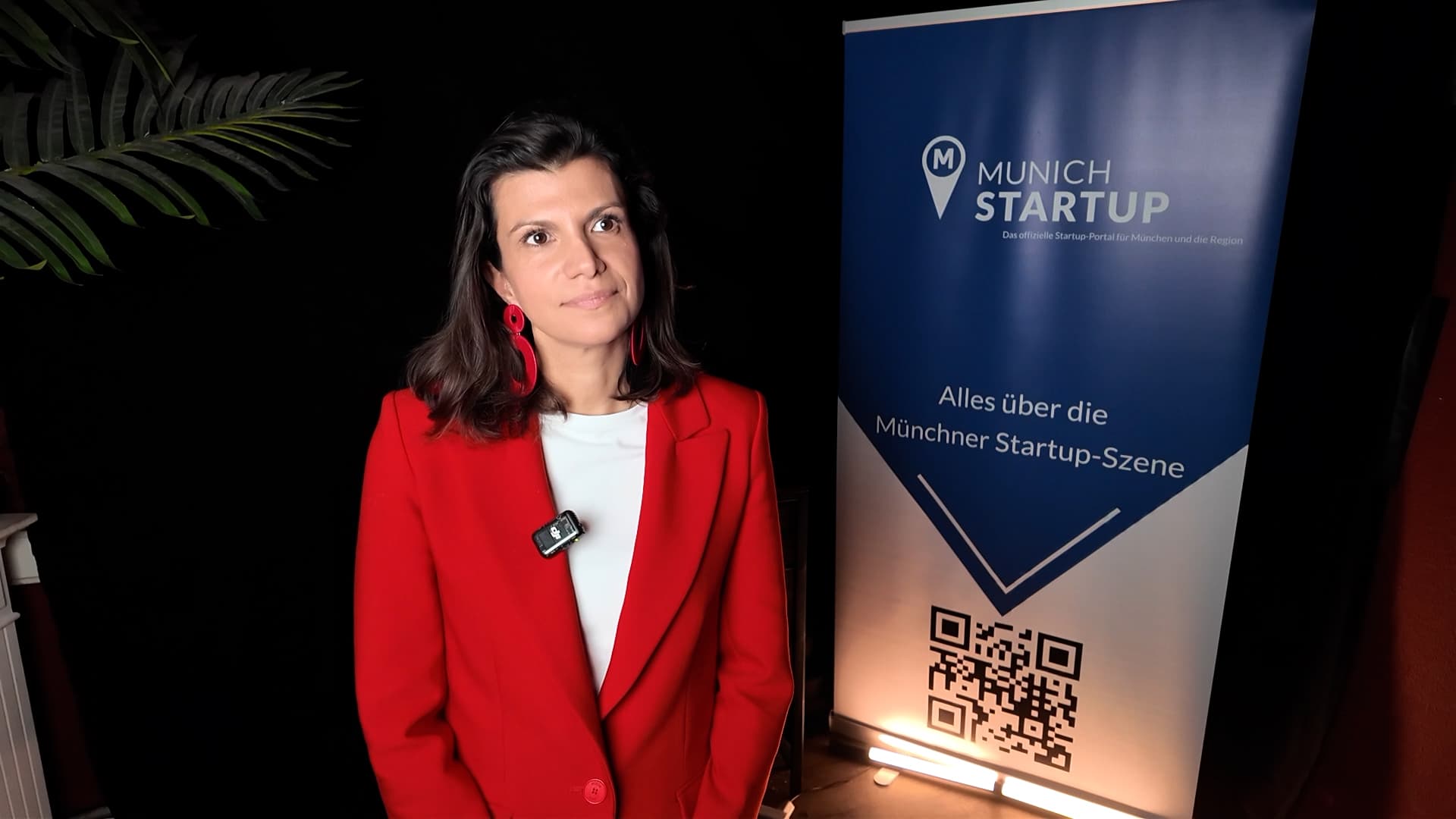
Scaleups are already taking a pioneering role in international collaboration: in three out of four companies, English is the main working language, and almost half of employees come from abroad. This global orientation is no accident, but a necessity. After all, the German labour market alone cannot meet the growing demand for skilled workers. According to a study by the Stepstone Group and the StartupAssociation, skilled workers are particularly sought after in IT (69 percent), sales (46 percent), and marketing (33 percent). In an interview with Munich Startup, Magdalena Oehl, deputy chairwoman of the Startup Association and founder of the HR-tech platform Talent Rocket, says:
“We need to be aware that highly qualified talent can choose where to go. Germany is no longer necessarily the first choice. I think we’re making things worse for ourselves by making it so difficult for them to come to us.”
Outdated visa processes are slowing down Germany’s innovation
Outdated visa processes are particularly problematic for young talent, explains Magdalena Oehl:
“Visas sometimes take far too long. In some countries, visas are already issued within 10 days. On top of that, our processes are hardly digitalized. During the process, you often have no way of tracking where you stand or when you can expect an answer. Everything is very fragmented, with responsibilities spread across different authorities. Talent never knows exactly when they can start working, while at the same time they may already have a work contract from an interesting tech company. We need to catch up urgently here.”
The shortage of skilled workers threatens to slow down the momentum of the startup scene. Without digitalization and simplification, Germany will remain a spectator in global competition. 93 percent of scaleups already recruit internationally, especially in South Asia and North America. Modernization is needed, according to Oehl:
“90 percent of all startups with over 25 employees say they’ve already foregone growth because they couldn’t fill positions. That means the shortage of skilled workers affects startups too. I think it’s really important that we set ourselves up to win talent and, above all, to keep them.”
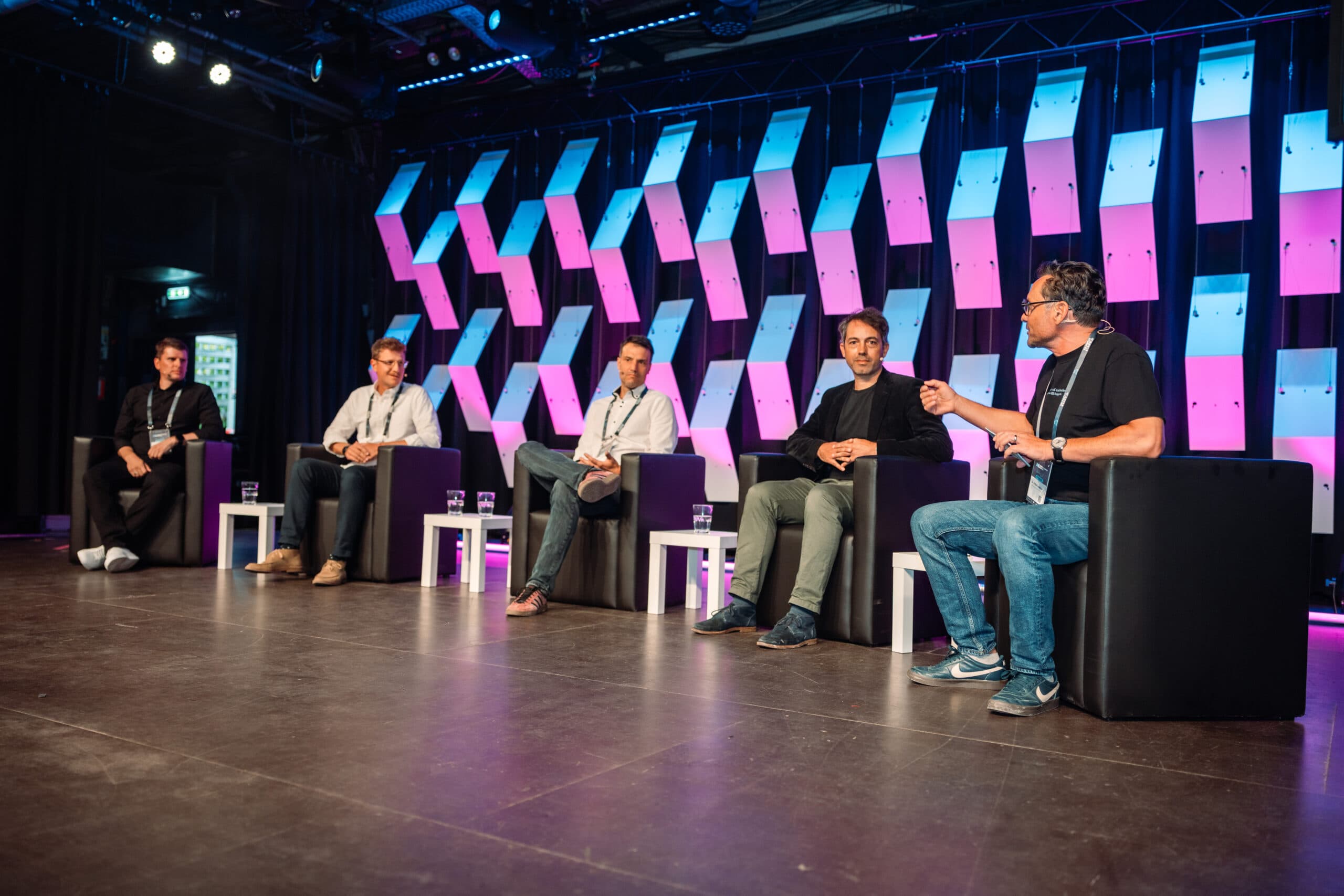
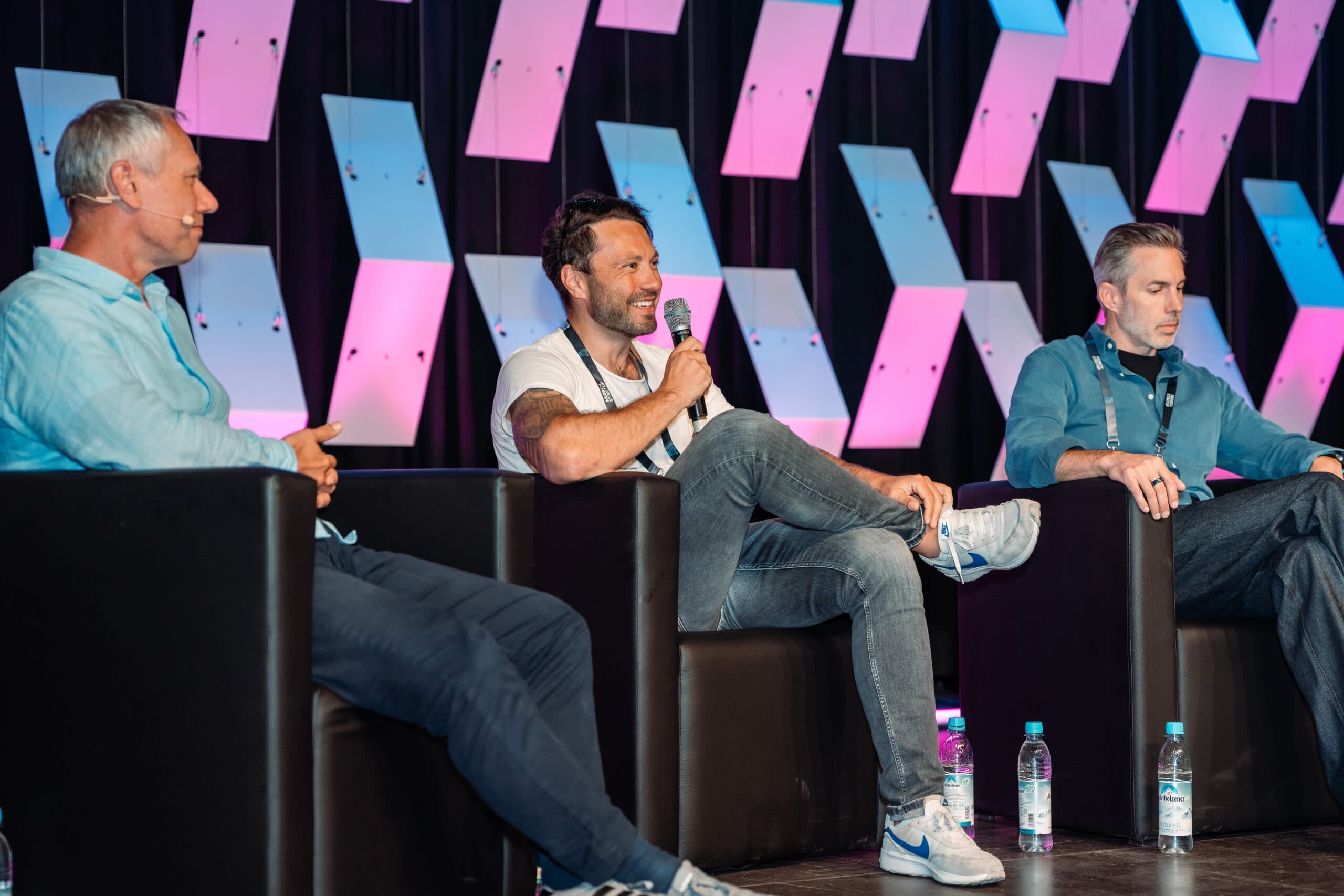
Magdalena Oehl also discussed the issue of skilled worker shortage at startups with Stefan Drüssler (Managing Director and Chief Operating Officer UnternehmerTUM), Axel Täubert (Head of Startups Google Cloud), and Arno Eggers (Head of Munich Startup) at the Munich Startup Festival.