
According to the current report “Next Generation – Startup Formations in Germany” by the Startup Association and Startupdetector, 18 percent fewer startups were founded across Germany in 2022 than in the previous year. In the second half of 2022, the decline compared to the same period in the previous year was particularly steep at 33 percent. This marks the weakest half-year since data collection began in 2019. December, with only 175 new formations, is the second-weakest month in this period.
The decline was particularly pronounced in startup-strong states such as Hamburg (-31 percent), Baden-Württemberg (-29 percent), and Berlin (-29 percent). In Bavaria, by contrast, the decline was considerably more moderate at only -7 percent. As a result, 544 startups were founded in the Free State in 2022, more than in any other state. In 2021, the situation was different: with 585 new Bavarian startups, the Free State ranked second behind Berlin with 702 (2022: 501).
Other states such as Hesse (+2 percent) or Rhineland-Palatinate (+3 percent) managed to maintain or even increase the number of new formations. The number of startups in Mecklenburg-Western Pomerania grew by 33 percent to 20 new startups, and in Bremen by 44 percent to 26 new ventures in 2022.
Munich benefits from its university-linked ecosystem in startup formations
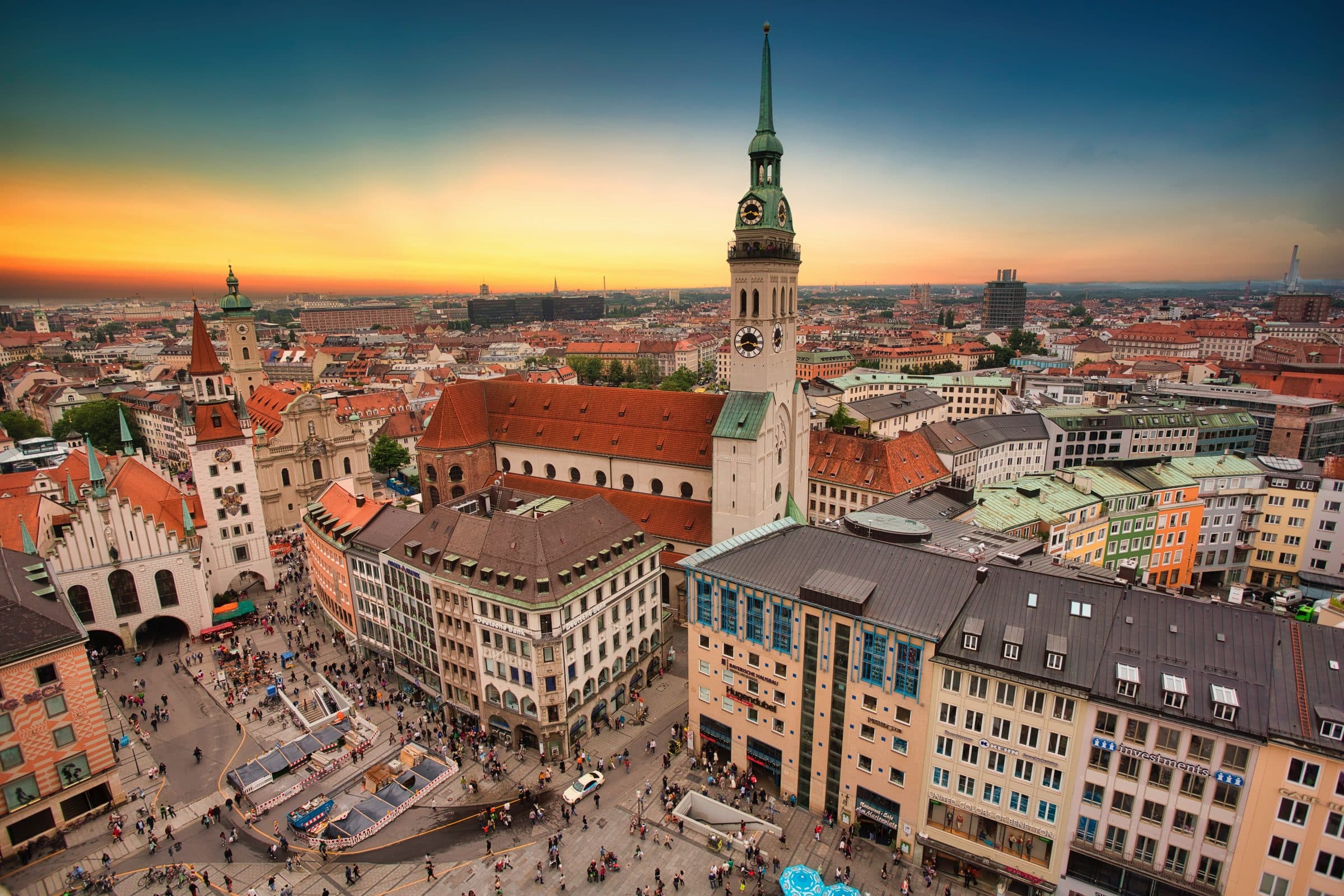
Overall, the five most populous cities dominate with a share of 39 percent of all new formations. However, there are significant differences when looking at population numbers. Munich leads with 14.5 formations per 100,000 residents for the first time, ahead of Berlin (13.6) and well ahead of third-place Hamburg (7.7). Munich, like the Free State as a whole, benefits from a considerably more moderate decline compared to Berlin. The number of new formations in the state capital fell by only -9 percent to 215, while in Berlin it shrank by the aforementioned -29 percent. Munich benefits from its university-linked ecosystem, according to the study authors – a model that also shows a formation-stimulating effect at locations such as Aachen, Heidelberg, and Karlsruhe.
Looking at sectors, the current crisis is particularly visible in the collapse of e-commerce formations by 39 percent. But the strongest founding sector, software (-26 percent), and the previously booming fintech sector (-28 percent) are also among the losers. Only the blockchain/crypto sector, which benefits from Web 3.0 (+65 percent), and environmental technologies (+14 percent) can report significant gains.
Magdalena Oehl, deputy chairwoman of the Startup Association, explains:
“The startup ecosystem is not immune to difficult economic conditions. The decline in new formations could become a problem for Germany’s already sluggish innovation power. That’s why it’s all the more important to take political action: this includes the announced improved regulations for employee participation and easier immigration for international tech talent – meaning no language tests and more digital visas. The high formation dynamics around some universities demonstrate how important it is to facilitate spin-outs from research and to establish professional startup centers at universities. If we set the right impulses now, I’m confident that we’ll see significantly more innovative startups in the future.”