
Skalar wants to redefine the tax industry. To do this, the Munich-based startup has now raised a pre-seed and seed financing round totaling 12 million euros. The financing round is among the largest early-stage financings in the German legal and taxtech sector and underscores investors’ interest in AI-powered business models for mid-market companies.
12 million euros from Headline and international investors
The financing round is led by Headline. In addition, futurepresent, QED Investors, Repeat, MS&AD and Foreword, as well as several angel investors, are participating.
The capital will primarily flow into further expansion of the AI platform. The goal is to automate additional workflows and meet the high demand for the company’s services.
Skills shortage makes tax industry an AI use case
Skalar addresses a market that increasingly suffers from structural problems. Both in Germany and internationally, the shortage of skilled workers is exacerbating the situation in tax firms.
According to the German Tax Advisors Association, nearly half of all tax advisors in Germany are 56 years or older, and more than 30 percent are already over 61 years old. At the same time, the ifo Institute reports that 72.7 percent of firms have difficulty finding qualified skilled workers.
The picture is similar internationally. In the United States, according to the US Bureau of Labor Statistics, more than 300,000 accountants and auditors left their profession within three years.
From Skalar’s perspective, it is therefore not sufficient to supplement existing software with AI functions. Rather, processes and infrastructure must be completely rebuilt from scratch.
AI-first law firm instead of traditional tax software
“Many industries hope that AI will solve their structural problems. The reality is the opposite: disruptions caused by AI will accelerate the demise of many established players and bring forth new companies that will redefine the industry,”
says Björn Goß and adds:
“I’ve seen law firms from the inside. The only solution is to rebuild the industry from the ground up.”
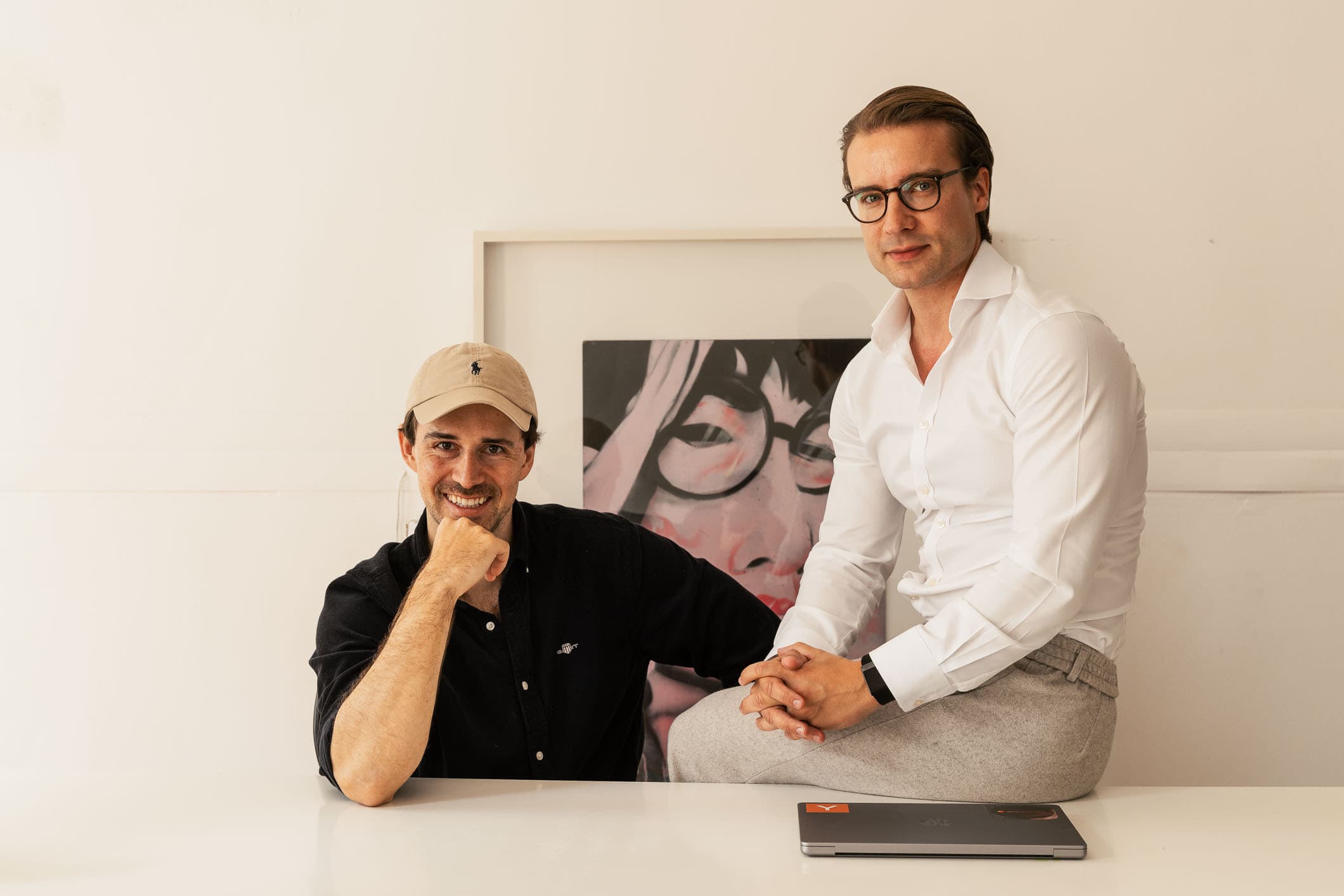
CEO Björn Goß gained practical experience in tax firms following the sale of Stocard to Klarna and identified significant efficiency potential in the process.
The company is developing its own technology stack for this purpose, in which AI agents take over repetitive tasks and work together with tax experts. Customers connect their existing systems with the platform and should thereby not only automate classic tax and accounting processes, but also receive advice based on real-time data in the future.
Initial metrics show strong demand
According to the company, the first process steps are already running fully automated just a few weeks after market launch.
Individual tax experts are now able to support more than 100 customers – compared to around 20 clients in traditional workflows. Additionally, Skalar recorded more than 1,000 customer inquiries within the first three months according to its own figures.
“Most teams in this market are laying AI on top of existing software. The demos look good, but you’re still running on the same fragile foundation. The industry is so broken that the only real fix is rebuilding the firm itself around AI.”
says General Partner at Headline Jonathan Becker.