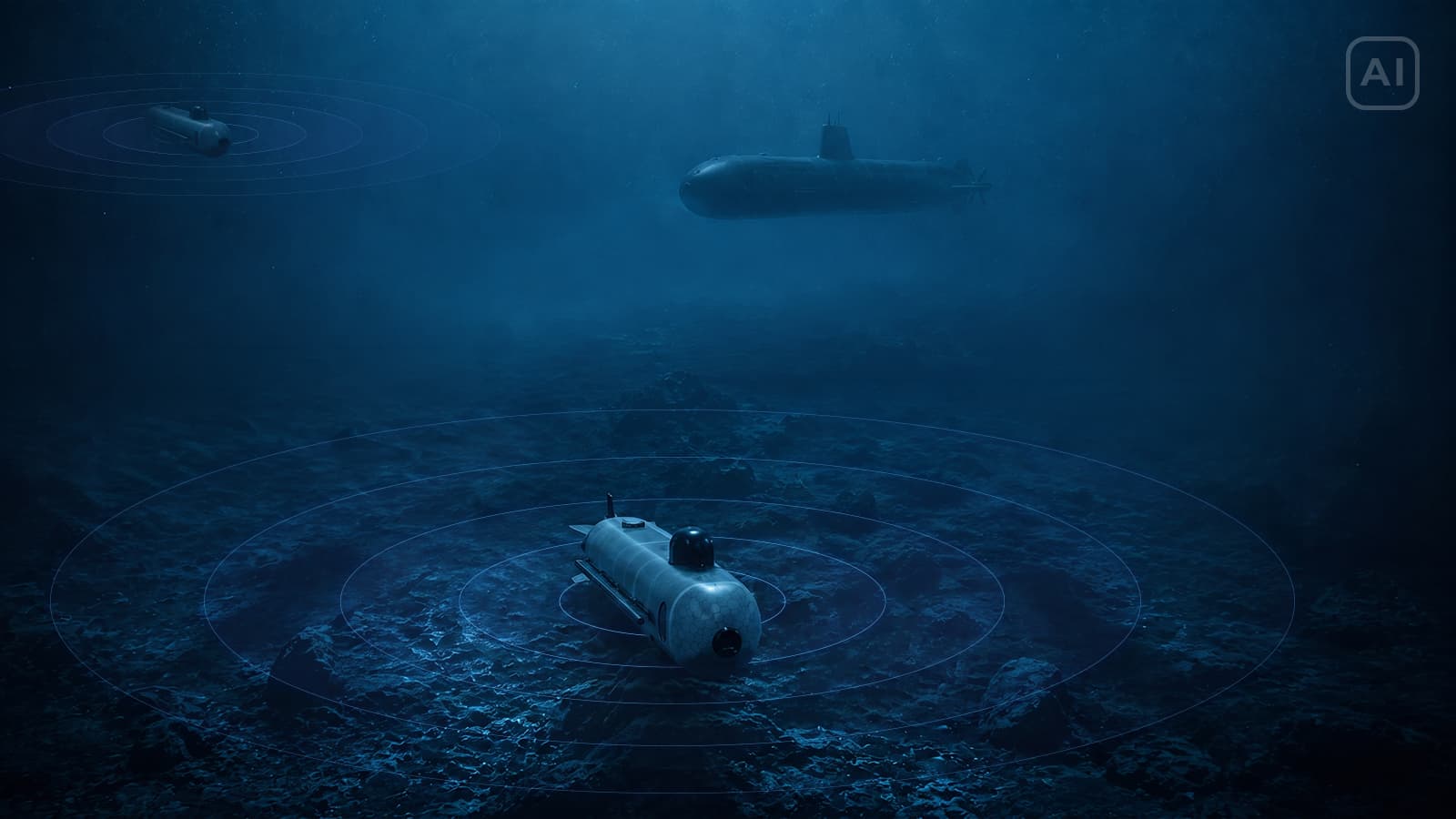

Quantum Systems is tapping into a new operational domain. In Sesimbra, Portugal, the company presented its proprietary systems for surface and underwater operations for the first time. According to the company, Seavex and Subvex are also being put through sea trials during a maritime NATO exercise. They are intended for reconnaissance, protecting critical maritime infrastructure, and anti-submarine warfare surveillance, among other missions.
Both systems are integrated into the Mosaic UXS software platform. This allows unmanned aerial, land, surface, and underwater vehicles to be controlled together and their sensor data combined. According to Quantum Systems, third-party platforms and technologies can also be integrated.
A boat that carries drones
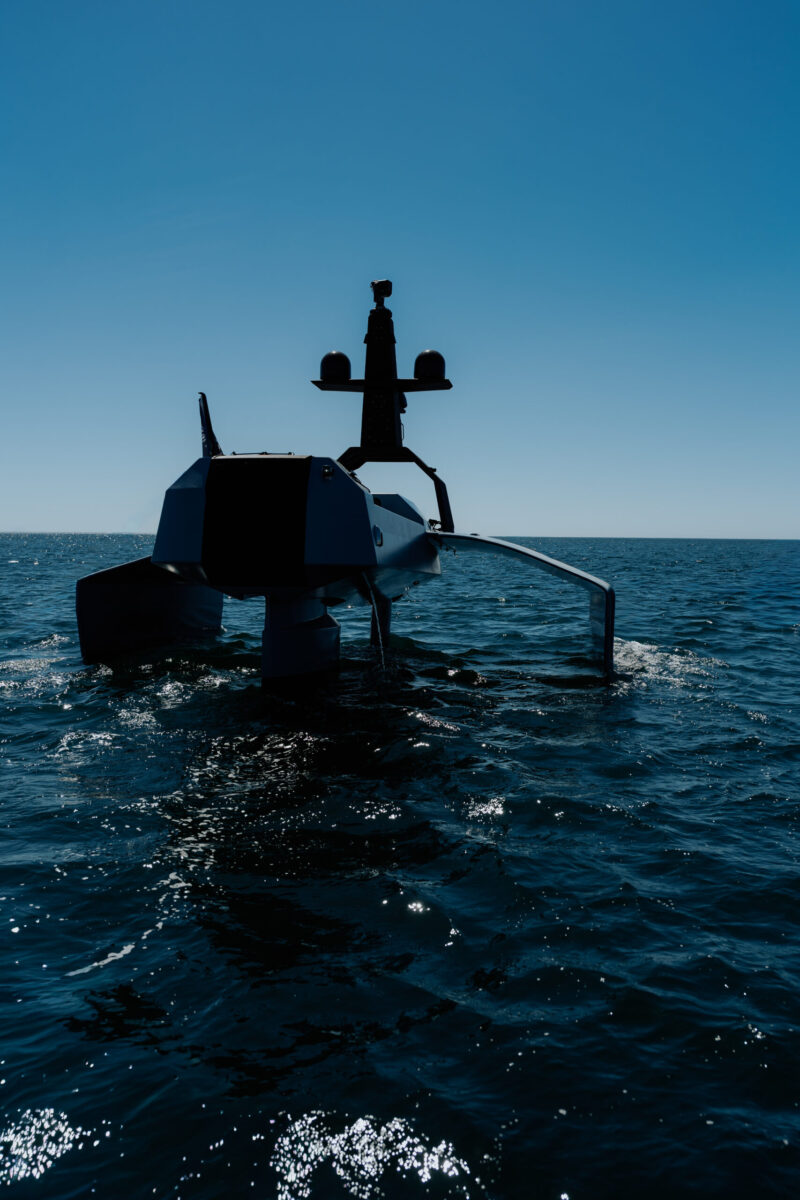
Seavex is an unmanned surface vehicle that, according to the manufacturer, can remain at sea for up to two months. It is equipped with surveillance and counter-drone radar as well as electro-optical sensors. The system processes the collected data directly on board using AI.
However, the vehicle is designed to do more than just monitor its surroundings: according to Quantum Systems, Seavex can launch and recover unmanned aerial vehicles. Underwater vehicles can dock, recharge, and transmit their mission data. In this way, the surface vessel also functions as a supply and data hub for other unmanned systems.
6,000 meters deep, weeks on the seabed
While Seavex operates on the surface, Subvex is designed for the deep sea. The AI-powered underwater vehicle is intended to conduct autonomous reconnaissance missions at depths of up to 6,000 meters. For this purpose, it is equipped with sonar and acoustic sensors as well as computing hardware that processes data directly inside the vehicle.
During active movement, Quantum Systems states an operating duration of up to four days. For passive surveillance missions, Subvex can reportedly remain on the seabed for several weeks. In addition, the system is designed for joint operations involving multiple Subvex vehicles.
Together, the two new platforms are intended to monitor areas from the water’s surface down to the deep sea. In addition to protecting critical infrastructure, their intended tasks include border security and the surveillance of high-seas areas.
The real bet lies in the software
For Quantum Systems, the step out to sea is part of a broader strategy: The company is expanding its portfolio beyond aerial systems and focusing on networking different unmanned platforms.
Florian Seibel, Co-CEO and founder of Quantum Systems, says:
“First we focused on the air, then came the land domain – now we are expanding our portfolio at sea. The decisive step forward, however, is not merely adding another domain, but connecting them with one another.”
The shared software foundation Mosaic UXS is designed to ensure that information from the air, land, and water converges into a single common operational picture. The goal: Individual systems should operate collaboratively and complement their respective sensor capabilities.
A Vast Sea, Limited Personnel
Quantum Systems explains the need by pointing to the size of the areas to be monitored and the limited available resources. Dirk Zademack, Managing Director Maritime at Quantum Systems, says:
“Maritime operations face a fundamental challenge: the areas to be monitored are vast, while personnel and available systems are limited.”
The principle of networked unmanned systems, already developed for air and land, is now also intended to enable maritime missions. Zademack explains:
“This allows us to establish a permanent presence on and under water and consolidate the information gathered into a shared situational picture.”
Quantum Systems is combining the presentation in Portugal with tests under operational conditions.