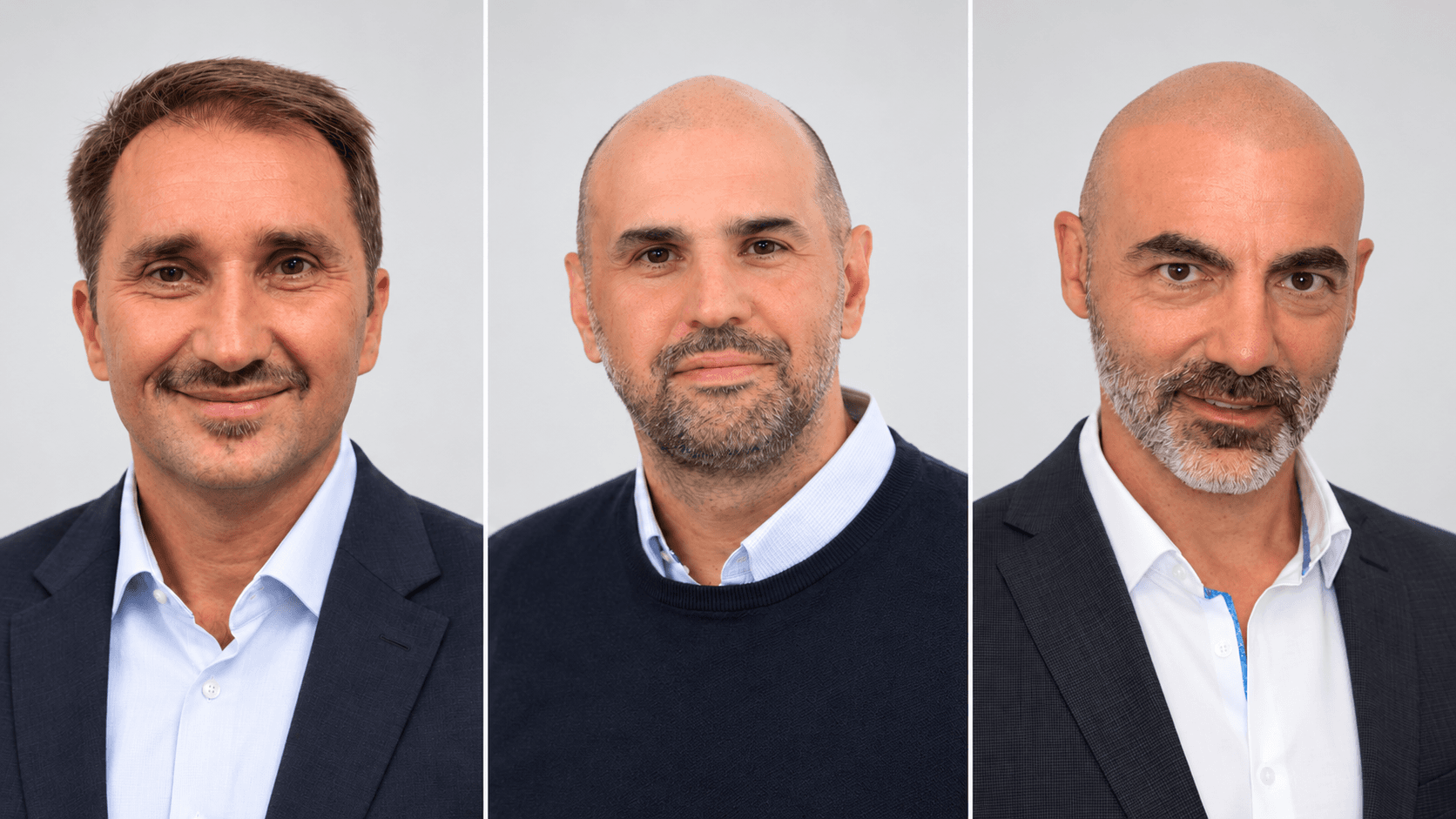

Henning Heesen is a B2B sales professional with passion. As the son of a steel retailer, he learned sales from the ground up, later co-founded several startups and was responsible for international sales there. Today, as a B2B sales and go-to-market trainer with his company Henning Heesen & Company, he advises various companies.
Munich Startup: Many Munich startups initially sell more “from the gut.” What three steps do you recommend to founders to turn initial random deals into a truly repeatable sales process?
Henning Heesen: Most startups don’t do much wrong at first. Founders sell themselves, learn the market, and win their first customers. The mistake begins later when this gut feeling is supposed to be scaled.
I would recommend three things:
- Define your Ideal Customer Profile (ICP). This is not just about who could theoretically buy, but which companies and which people actually like to buy from you quickly. I distinguish between ICP Company and ICP Persona. Which company size, industry, or region buys particularly quickly? And which contacts most often decide in favor of your solution?
- Document your sales process. After each deal won, you should record why the customer bought, which questions were decisive, and what the customer journey looked like. This way, a scalable sales process develops step by step.
- Measure your sales. Good sales teams measure not only revenue, but also conversion rates, sales cycles, and deal velocity. Only when sales becomes measurable can it be improved.
Growth doesn’t come from selling more, but from developing a better sales system.
When sales processes are reproducible, scaling becomes possible
Munich Startup: When should founders stop doing sales themselves? How do you know it’s time for the first sales person – and what profile are you looking for?

Henning Heesen: The right time has come when the founder can explain their sales process and make it reproducible. Only then should sales be scaled.
I see the biggest mistake in hiring salespeople or even a Head of Sales too early. A Head of Sales usually wants to lead a sales team. But in the early phase, a startup needs people who acquire customers themselves, gain experience, and further develop the process together with the founder.
Therefore, for the first sales role, don’t look for a manager, but someone who is curious, works in a structured way, listens well, and enjoys building relationships. Leadership comes later. At first, real sales work is what counts.
Munich Startup: How do you systematically sharpen your ideal customer profile as a founder and build a solid pipeline – especially when you have hardly any references?
Henning Heesen: An ICP is not something you define once and never change again. It continuously evolves. I recommend analyzing all won, lost, and – if available – churn deals at least every three months.
The W-questions
Which companies bought particularly quickly? Which took a long time or didn’t buy at all? Which customers dropped out later? The same applies to contacts. Which personas buy particularly quickly? Which need many coordination loops? Which ultimately decide against you?
From these insights, an increasingly clearer picture of the ideal customer develops step by step. At the same time, the target customer list for marketing and sales automatically improves. Many companies are constantly looking for new leads. I believe it’s more successful to find the right leads and continuously develop your ICP based on real customer data.
Munich Startup: Many startups struggle with pricing and renegotiate each deal. What advice do you have on pricing strategy and offer structure so that sales remains scalable and doesn’t end up in individual case chaos?
Henning Heesen: Price should never be based on competition, but on the maximum willingness to pay of the customer and the value created. If each deal is calculated individually, it’s often a sign that the offering is not clearly enough defined.
I recommend developing standardized service packages and continuously refining them. Whether Basic, Professional and Enterprise or value-based pricing per user, location, or license – what matters is that customers quickly understand which package offers them the greatest benefit.
Standardization makes sales faster, easier, and much more scalable.
First comes trust, then the sale
Munich Startup: What recurring mistakes do you see with startups in B2B sales – especially in the German-speaking region – and what simple measures can founders implement immediately to noticeably improve their sales?
Henning Heesen: The biggest mistake is not that startups talk about their product too early. The biggest mistake is that they want to sell too early. Especially in the German-speaking region, companies only buy when enough security has been created. And security is created through relationships.
I distinguish three phases.
- I don’t know you. In this phase, asking directly for a deal is spam.
- I know you. Here too, the right time for the pitch usually hasn’t come yet.
- I like you. Only now is enough trust created to seriously discuss collaboration.
That’s why I recommend founders consciously build touchpoints: LinkedIn, events, dinners, meetups, webinars, or personal conversations. Every relevant contact builds trust.
Customers ultimately don’t buy software, an agency, or a product. They buy the security to achieve their goals.
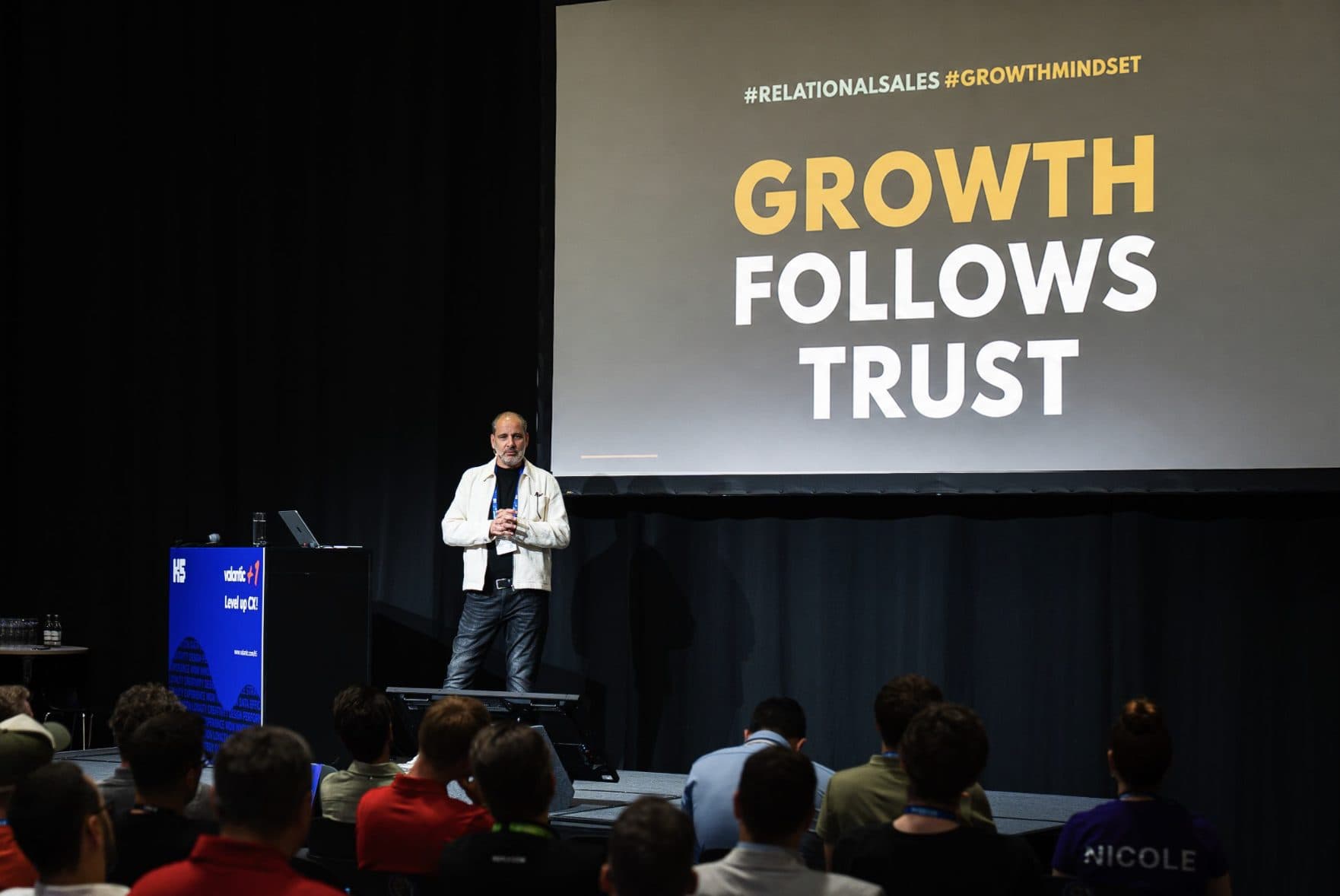
That’s why for me: Growth follows trust.
Thank you for the interview.
Find more expert contributions under the category “Munich Startup Experts”.