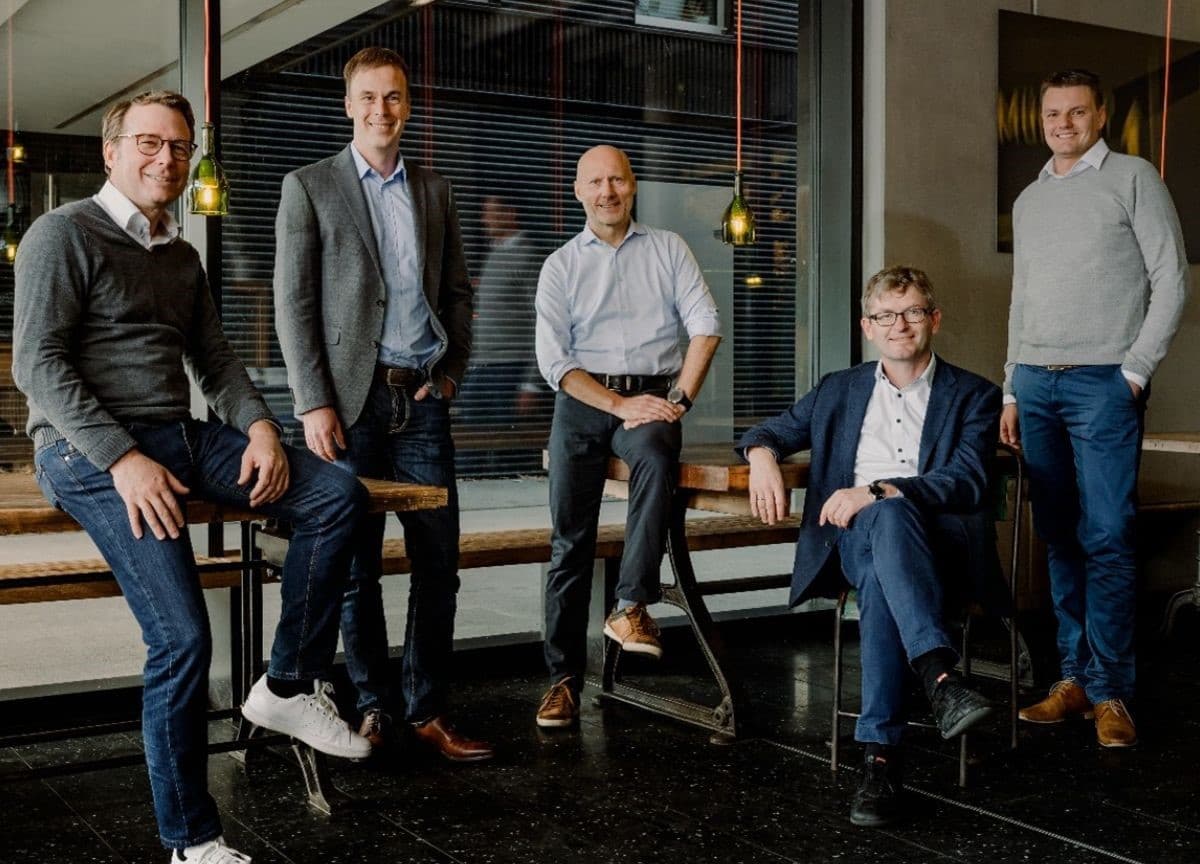

Founded in 2018, the startup offers a connected engineering platform for networked, digital, and automated product development. The company’s customers include BMW, Brose, EDAG Engineering, Hyundai, Toyota Gazoo Racing, and MAN Truck & Bus. Benjamin Erhart, partner at UVC Partners, says:
“Elise has already fundamentally changed the way products are developed. We wouldn’t have thought at the beginning that rapid iterations, the use of experiential knowledge, and simple integration of existing tools would have such a huge impact on product development: the improvements Elise has achieved with its first notable customers, both in terms of development time and component performance, are incredible. We are convinced that the Elise platform will soon become the preferred tool for engineers in their daily work.”
UVC Partners and Venture Stars focus on early-stage startups
The UnternehmerTUM-VC UVC Partners invests in European early-stage B2B startups in the areas of enterprise software, industrial technologies, and mobility. The fund typically supports its portfolio companies initially with amounts between €500,000 and €10 million and overall with up to €30 million.
The second Munich-based investor Venture Stars focuses on early-stage investments in innovative, digital B2B and B2C business models. The two funds of this investor typically invest €500,000 to €2 million in new portfolio companies and a total of up to €4 million per company. This engagement by Venture Stars is expected to fall within this range.
“With the help of Series A financing, we are coming significantly closer to our goal of becoming the low-code standard in engineering. Through the ease of use of our visual programming language, engineers can map and automate development processes in the shortest time,”
says Moritz Maier, one of the startup’s three founders.
“With our open platform, we enable engineers to transfer the agile and efficient methods of software development to hardware development. This automates manual and repetitive tasks and enables companies to manage the growing complexity of product development in the face of increasing cost and innovation pressure.”