
Whether in factories, wind farms, or data centers: electrical control cabinets are used wherever electricity needs to be distributed and technical systems controlled. Until now, their manufacturing has required a great deal of manual labor. Munich-based deeptech startup Vetaion aims to automate this production using software and robotics. The company has now closed a pre-seed funding round to expand its production in Garching.
The 5.7 million euro round is co-led by Visionaries Tomorrow and UVC Partners. Additional participation comes from 2100 VC, the Viessmann Generations Group, and several business angels, including founders and executives from companies such as Heraeus, Isar Aerospace, Flix, and Robco.
The challenge in control cabinet manufacturing: each cabinet is customized for its specific application. Accordingly, layout, components, and wiring vary. The numerous flexible cables in particular make the use of industrial robots difficult.
Vetaion founder Nikolaus von Bary also sees this as a challenge for European industry:
“Europe’s share of global manufacturing has dropped from 25 to 16 percent in recent years. We have forgotten how to make things and preferred to rely on foreign suppliers. If we do not bring this capability back, it will be lost for good, and we won’t be able to manage the necessary infrastructure expansion for megatrends like AI, robotics, and the energy transition.”
From circuit diagram to automated manufacturing
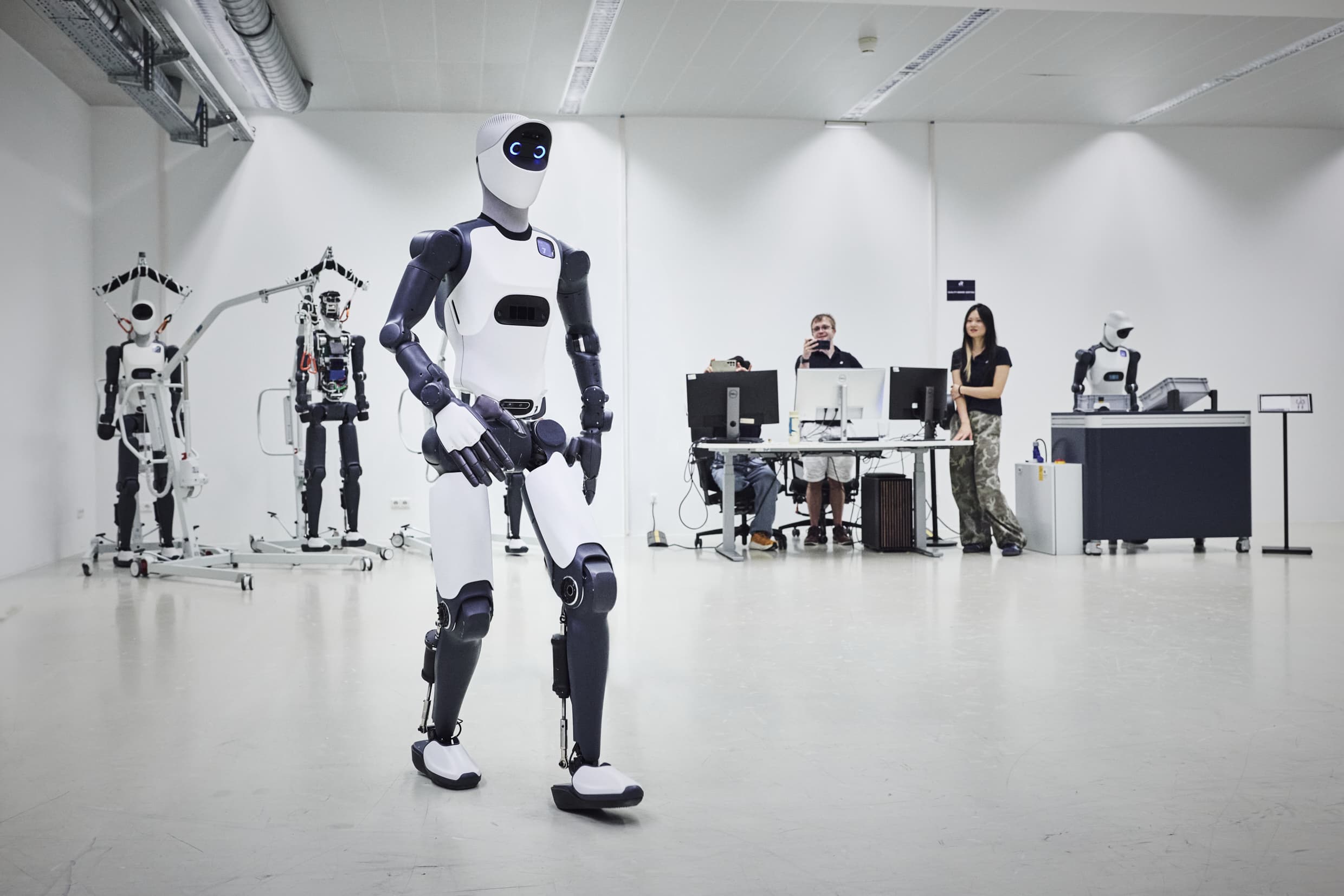
Vetaion relies on software and robotics to manufacture customized control cabinets. To achieve this, the company first converts two-dimensional circuit diagrams into three-dimensional models. Based on these models, robots can install the individual components and wire them together.
Vetaion develops the necessary software in-house. The system, known as Vetaion OS, is designed to enable the production of various control cabinets without having to program an entirely new production process for each model.
According to the startup, this enables it to reduce the delivery time for a control cabinet from several months to less than four weeks. Manual labor is said to drop to a tenth. When provided with a circuit diagram as a PDF and a bill of materials as an Excel file, Vetaion states that it can generate a concrete quote within 24 hours.
The company sees the shortage of skilled workers in particular as a driver behind the growing need for automation, as conventional control cabinet manufacturing requires qualified electricians.
Production in Garching set to grow
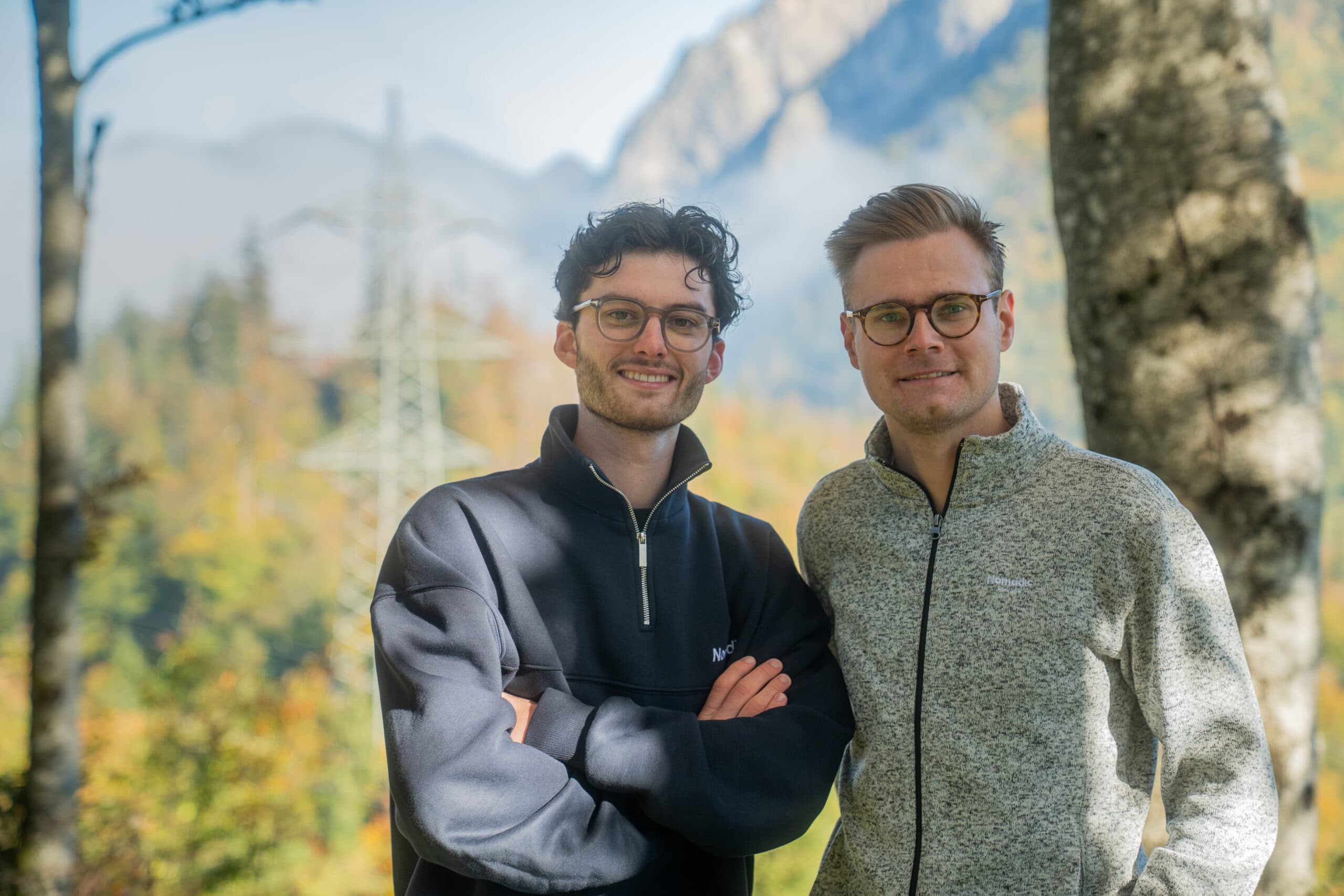
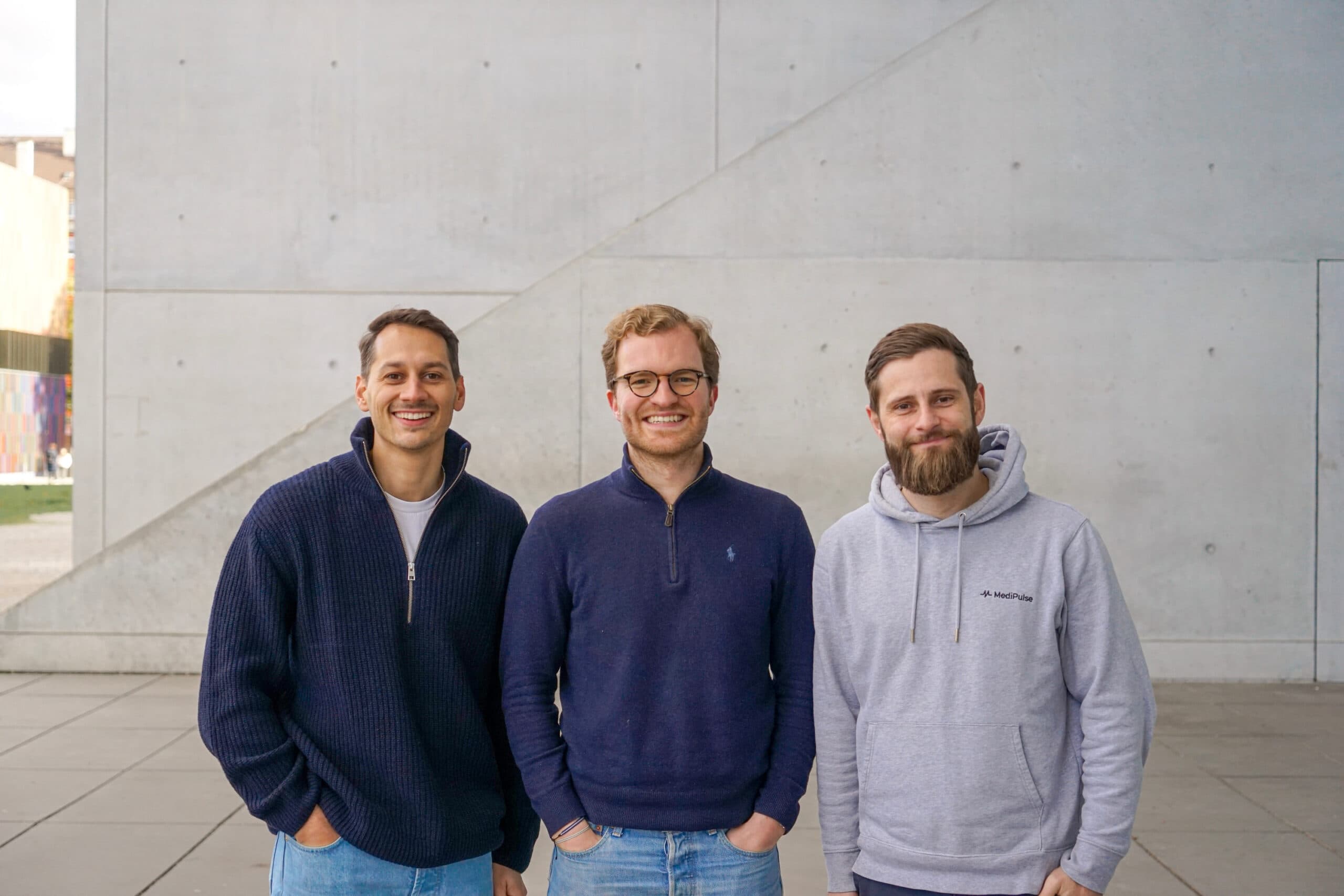
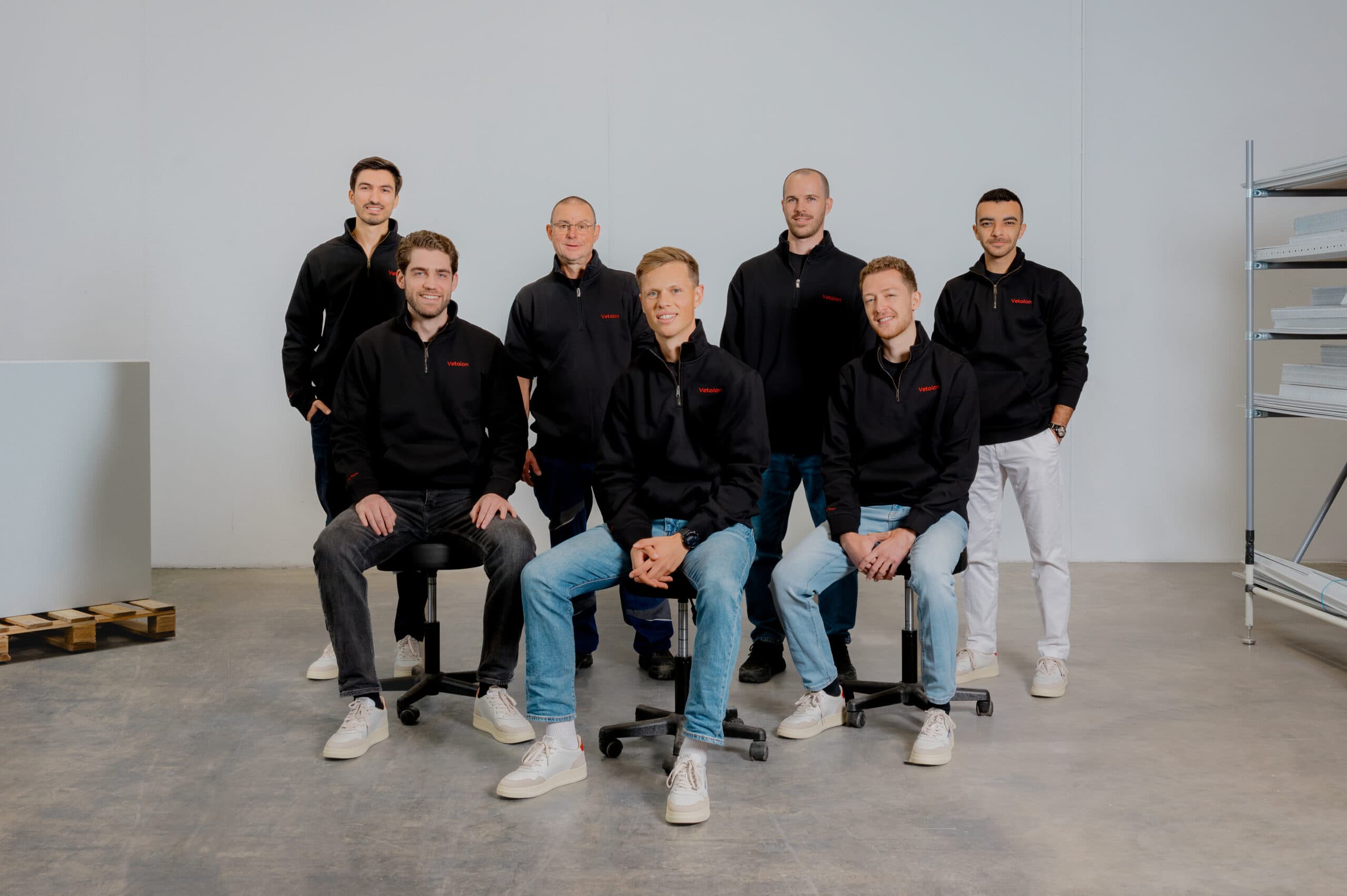
Behind Vetaion are Nikolaus von Bary and Benedikt Hohmann. Both bring experience from industrial production. Hohmann is a master electrician who has built control cabinets for Bosch and Kuka, among others. The team works at their Garching site directly above their own production halls. This allows the developers to observe manufacturing processes and adapt their software and robotics solutions accordingly.
With the funding, Vetaion now plans to expand its production capacity, automate further work steps, and hire additional employees.
Johannes von Borries, Managing Partner at UVC Partners, explains the investment decision:
“Many see control cabinets as a craft and not a case for venture capital. We see it as a problem that can be solved with AI and automation. We were particularly impressed by the team and its pace: I visited Vetaion on-site twice just a few weeks apart. The progress between my visits was astonishing – one of the fastest execution speeds I have ever seen.”
In the long term, the technology is also intended to be transferable to other areas of customized manufacturing. For now, however, Vetaion is focusing on control cabinet construction. There, the company aims to demonstrate that products with diverse technical requirements can also be manufactured in a largely automated manner.