
When you throw a launch party in San Francisco, you might think of craft beer, kombucha, or natural wine. The founding team of Clera chose something different: 9,000 cans of Paulaner Spezi. They were delivered directly to the startup’s new hacker house in San Francisco — a pretty clear statement about where the company’s roots lie. Because even though Clera wants to conquer the US market from California today, the startup’s story begins in Munich.
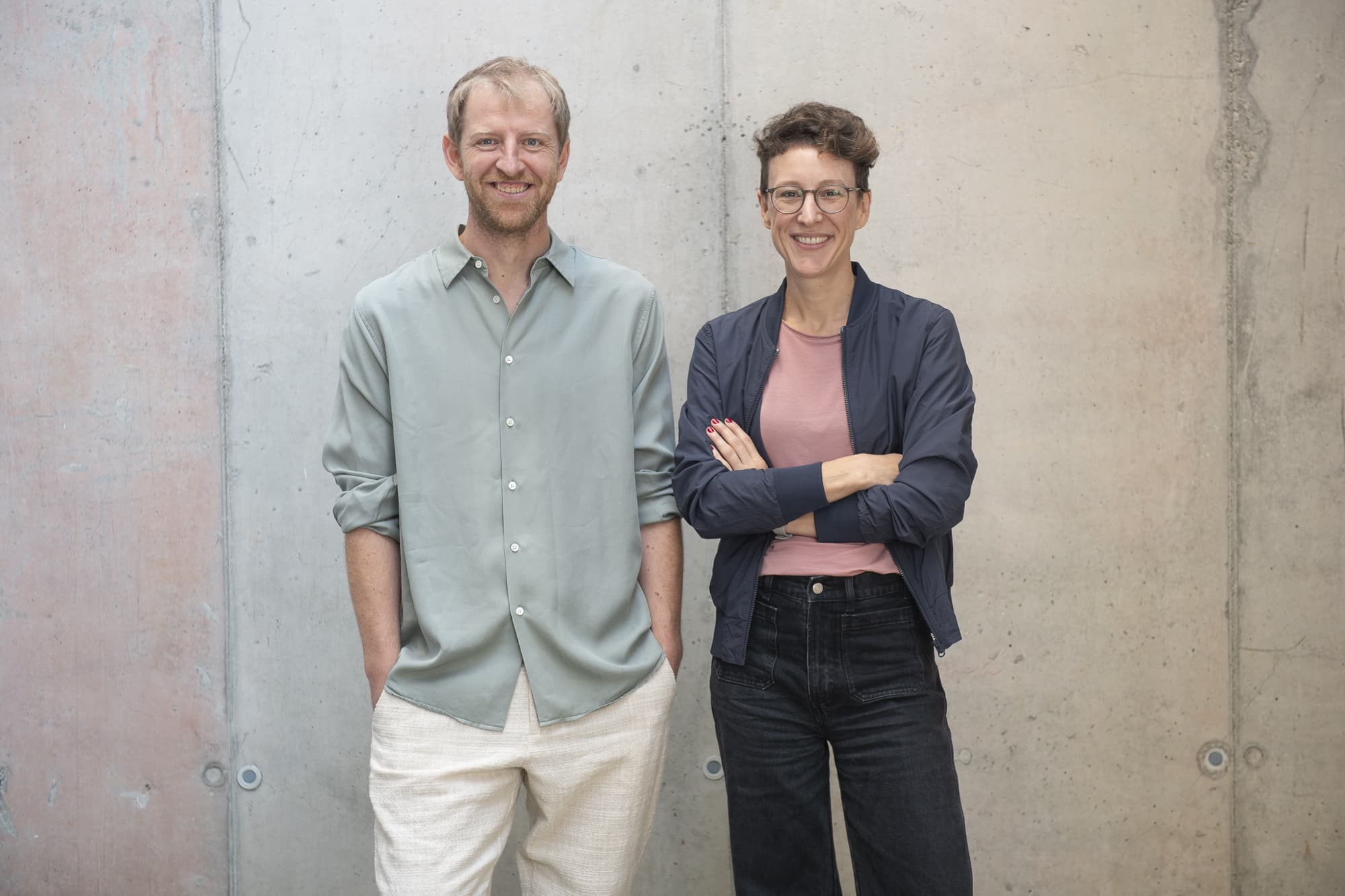
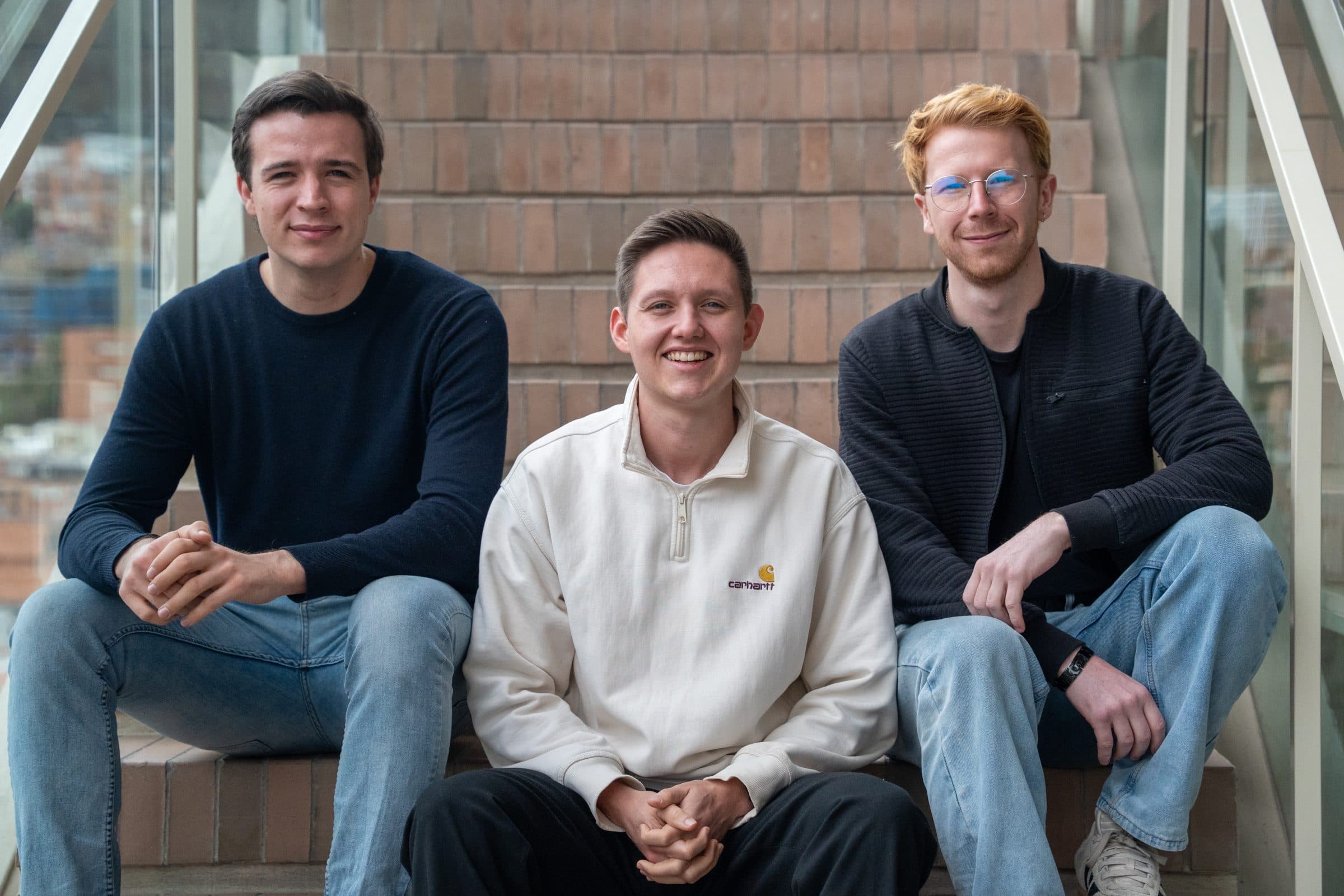
Sebastian Scott and Alexander Farr met during their master’s studies at the TU München. After graduating, both moved to Berlin at almost the same time, where they met Daniel Wintermeyer, now CTO of Clera. From regular meetings, shared frustrations, and similar founding ambitions, an organization emerged that wants to tackle one of the biggest challenges in the job market: recruiting.
Before Clera landed in San Francisco, however, the team’s journey first led through Latin America. For a year, the team lived together in a hacker house, traveling from Lima through Brazil, Mexico, Argentina, and Colombia to the US. For the founders, this time wasn’t just quirky—it was also formative: working, living, building—all at the same time, all in a tight space. The 9,000 cans of Spezi in San Francisco were thus almost the logical continuation of this journey: a piece of Bavarian home in the middle of Silicon Valley.
An AI agent as a personal headhunter
Behind the anecdotes lies an ambitious product. Clera is developing an AI talent agent that should represent candidates and bring them together directly with suitable companies. The idea: what classic headhunters have mostly provided for executive roles should become accessible to many more people through AI.
“I’ve long been impressed by how helpful classic headhunters can be and what value they create for candidates and companies,”
says co-founder Sebastian Scott in an interview with Munich Startup. The problem, however, is that this individual support is today almost exclusively reserved for executives. Everyone else has to click through generic job platforms, adjust their résumés, fill out application forms, and hope to be seen in often impersonal processes.
Clera wants to reverse this process. Instead of sending candidates through application funnels, the AI agent should understand their goals, preferences, and career plans. Communication happens through channels users already use: email, iMessage, and WhatsApp. When Clera identifies a suitable opportunity, the agent makes direct contact with founders or hiring managers, not with an anonymous application portal.
3 million dollars for the next recruiting bet
For this approach, Clera has now raised 3 million dollars in pre-seed funding. Lead investor is Silicon Valley fund 1984 Ventures, which according to the company brings particular expertise in talent marketplaces. The capital should help Clera expand its offering to additional roles and industries and develop additional tools for both sides of the marketplace.
Early figures show why investors are betting on the model: Clera now represents more than 85,000 candidates in the US and Europe, and over 600 tech companies, according to the founders. The startup has also already surpassed the 1 million dollar mark in annualized revenue.
Getting there was anything but easy. It took four months before Clera could successfully place the first person.
“Four months during which you constantly doubt whether you’re doing everything wrong,”
Scott describes the early days. Only after that did the team find the lever that made the model scalable.
Recruiting has so far been built mainly for employers
Clera is entering a market that is being massively shaken up by AI right now. Many new recruiting tools already automate sourcing, screening, or matching today — but mostly from the employer’s perspective. Companies get better tools to find, pre-filter, and evaluate candidates. The candidate side, however, has long been underserved.
That’s exactly where Clera sees the gap. Many professionals aren’t actively job hunting, but are open to a truly fitting opportunity. They don’t want to scroll through job boards or go through automated screening processes. But they would move if the right role was presented to them at the right time and in a credible way.
Scott frames the vision accordingly: for the first time, it’s possible to give every person a personal headhunter—not as a high-priced individual service, but scalably through AI.
Munich as a starting point, San Francisco as an accelerator
The fact that Clera is now based in San Francisco is primarily for strategic reasons. The startup’s first customer was a US company. That made it clear early on for the team that a large part of the market is in the US. From the founders’ perspective, San Francisco offers proximity to AI technology, fast-growing startups, and investors.
“For us, it comes down to three points: market size, technology, and culture. The market is simply more attractive for us and is growing rapidly. At the same time, we want to be close to leading AI companies and researchers to observe technical progress early and translate it directly into the product,”
Scott tells us. The founder culture in Silicon Valley also matches their own work rhythm. Clera has worked very intensively from the start. In San Francisco, the team meets many founders who operate with a similar level of ambition. That shapes you.
Nevertheless, the Munich connection remains more than a biographical footnote. The founders met in the environment of the TU München, their shared entrepreneurial story began in Germany, and even when launching in California, Clera made its Bavarian roots visibly apparent. A master’s program in Munich becomes a company that takes on Silicon Valley to rethink recruiting.
From learning the hard way to a scalable product
The biggest challenge for Clera wasn’t just technology, but understanding the industry. The founders already brought recruiting experience: Alexander Farr conducted more than 800 interviews at Superchat, Daniel Wintermeyer was head of engineering at HR tech company Lofino. Nevertheless, the team had to learn headhunting from scratch.
The real nuances only become clear when you’re placing people yourself, according to Scott: Which candidates really fit which roles? When is an introduction relevant? How do you build trust on both sides? How do you prevent automation from just creating more noise?
To this day, the team talks weekly with headhunters, recruiters, and candidates to further develop the product. Because Clera’s goal is not simply to generate more applications. The AI agent should only make connections when they make sense for both sides.
An agent meant to represent interests
This also sets Clera apart in its self-understanding from classic job platforms. The startup doesn’t just want to aggregate open positions or sort profiles. The agent should actually represent candidates—knowing their goals, identifying fitting opportunities, and bringing them directly into relevant conversations.
For candidates, this ideally means: no application funnel, no weeks of waiting, no anonymous rejection from a system. Instead, a warm introduction to a person who can decide. In practice, candidates should often get their first interviews within hours of being introduced, according to the company.
For companies, in turn, Clera promises access to talent that isn’t actively looking but is open to the right role. Especially for fast-growing startups, that can be crucial, because many of the best candidates aren’t on job boards.