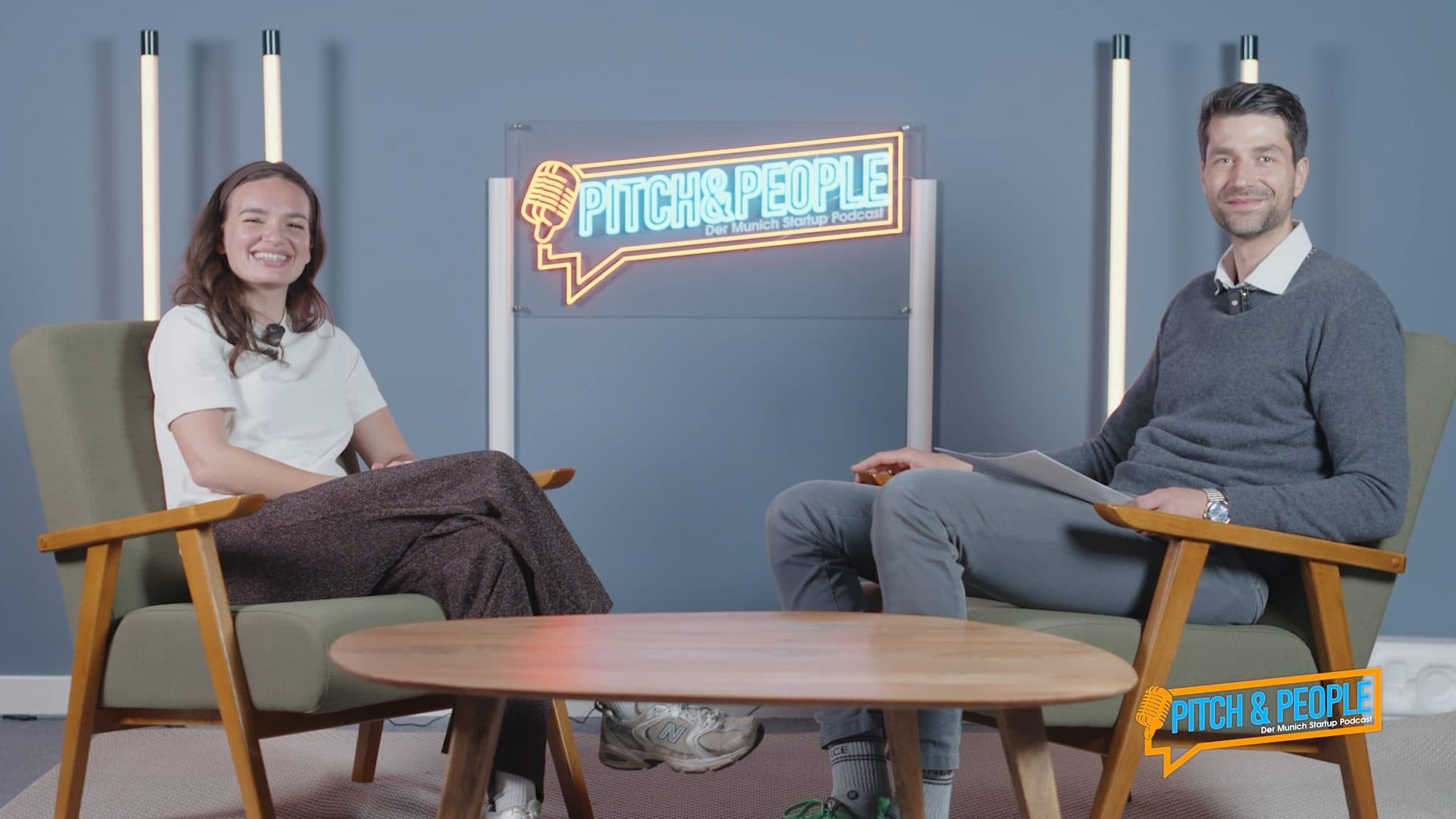

PITCH & PEOPLE Folge 32: 8pm Social
Social media is addictive – this is shown not only by studies and a court ruling from the US, but also by the everyday experience of many users. In the Pitch & People video podcast, we spoke with Saskia Teufel, founder of 8pm, about why current platforms are designed precisely for this and how her startup wants to push back with a radically different approach.


“I think everyone from our generation knows this: you pick up your phone for just a moment, wanting to check something quickly – and suddenly an hour or more has passed and you’re wondering where the time went.”
For Saskia Teufel, founder of 8pm Social, this feeling is not an isolated case, but a symptom of a system, as she tells Munich Startup in the Pitch & People video podcast. Social media, as it functions today, is designed to hold attention for as long as possible.
The major platforms have perfected this. Content is algorithmically distributed so that users keep scrolling. The original idea of networking with friends increasingly takes a backseat.
“In the past, you downloaded social media to see what your friends were up to – today it’s actually more like personalized television,”
says Teufel.
At the same time, criticism is growing – politically, socially, and scientifically. Studies show negative effects, particularly on young people. For 8pm’s founder, this is a clear mandate: social media needs to be rethought.
New urgency: when addiction becomes a legal matter
The debate has recently reached a new dimension: in the US, it was established for the first time in court that major platforms like Facebook, Instagram, or YouTube design their products in ways that can be addictive. In a highly publicized trial, a jury concluded that companies like Meta and Google did not adequately inform users about risks and deliberately designed their services to promote addiction – such as through mechanisms like endless scrolling.
The case is considered precedent-setting, especially since numerous further lawsuits could follow. For Teufel, this confirms what many have intuitively felt for a long time: that usage is not accidental, but the result of a system deliberately designed for maximum attention.
8pm: a radical alternative approach
With her startup, Teufel pursues exactly this approach. 8pm is not meant to be another network fighting for maximum screen time – but one that is used consciously.
The central element: the feed updates only once a day, at 8 p.m. Users can collect and upload content throughout the day, which then appears bundled together.
“You can see what friends or your favorite creator have been up to – and then put your phone away and focus on real life”.
The idea behind this is deliberately simple and effective precisely because of that. Instead of regulation, 8pm relies on product design. The platform itself should prevent excessive use from ever happening in the first place.
Back to real relationships
Another difference: 8pm wants to refocus on real social connections. While current platforms primarily serve interest-based content, the startup focuses on friendships and personal networks.
“We don’t optimize for maximum time on the platform, but for relevance. It’s not about constantly suggesting new content to you, but showing you what’s really most important to you”.
This is complemented by a deliberately designed profile that is more than just a collection of posts. Users can represent themselves more comprehensively, establish connections to other platforms, and share content more strategically. At the same time, the team relies on verification to ensure real users and avoid AI-generated content as much as possible.
The goal: less consumption, more exchange. Or, as Teufel puts it:
“Less scrolling, more real connections, and above all, more experiences in real life.”
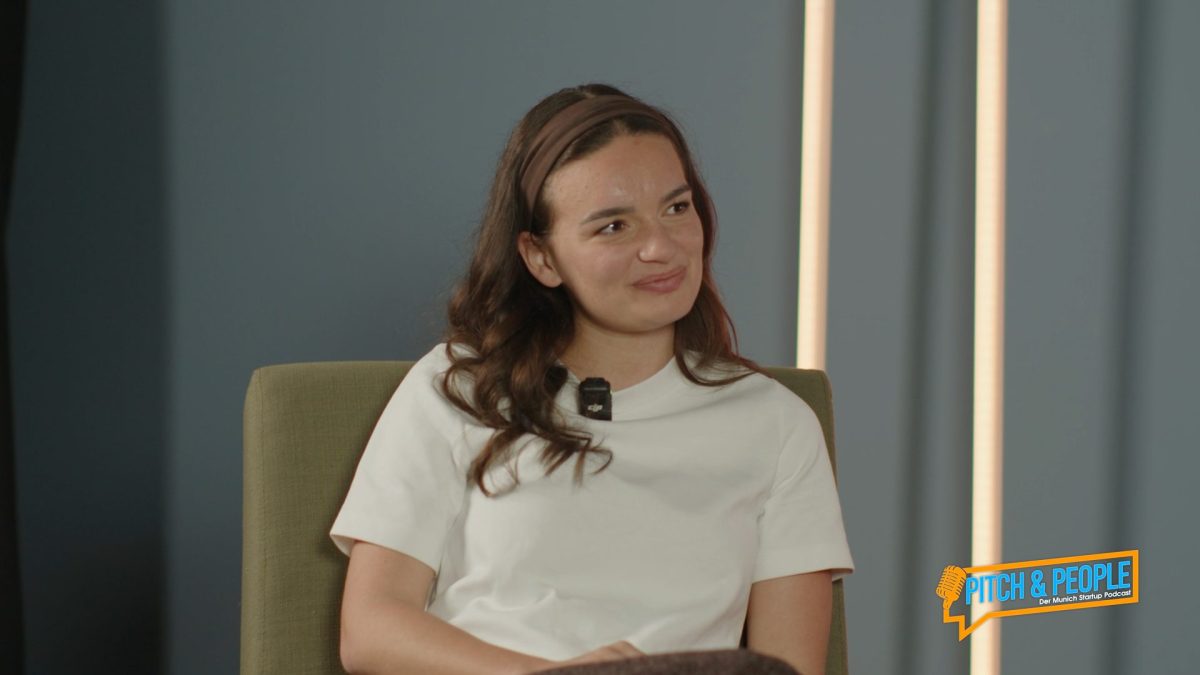
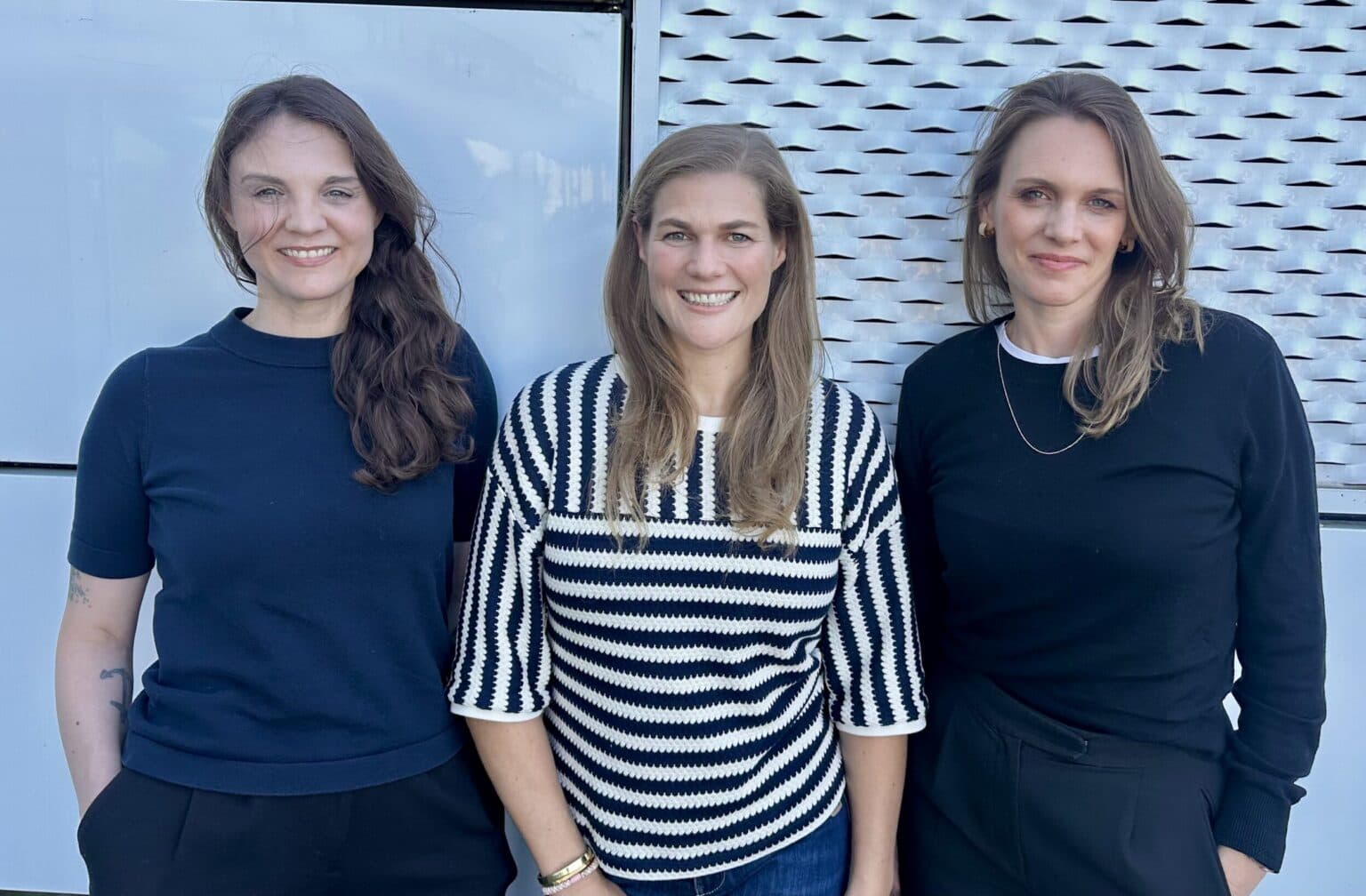
Saskia Teufel is the founder of 8pm Social, with the mission to make social media social again.
Growing up in a small village, she gathered diverse experiences early on – from side jobs to her own animal protection initiative. After studying business administration in Weingarten, at 19 she took over the leadership of a student consulting firm, later worked in strategy consulting, and initiated a startup initiative at her university. After stints in a deeptech startup, various projects, and a stay abroad, she is now fully focused on her own company.
With 8pm Social, she is developing a European network without algorithms and endless scrolling, instead focused on genuine social interaction.
More than an app: community as key
For 8pm, social media doesn’t end in the digital space. The platform is only part of a larger concept that heavily emphasizes community.
“An app can emerge quickly and disappear just as quickly. What matters in the long run is the community behind it”,
says Teufel.
That’s why the startup thinks about events, real-world meetings, and long-term user engagement from the beginning.
The ambition is big: 8pm should not remain a niche product, but become a mass product – first in the DACH region, later internationally. At the same time, the team is aware of how difficult this path is.
Because in the end, one thing is most decisive: whether the first users stay.
“The time around the launch on June 10 and the weeks after will be crucial to whether we can gain attention and, most importantly, show that people really use the app and keep coming back.”
One thing is certain: the need for alternatives is growing. And with 8pm comes a startup that wants nothing less than to redefine the fundamental principle of social media.