PITCH & PEOPLE Folge 47: Epique
Ein Großauftrag – und Epique sagt Nein. Warum? Darüber spricht Martin Luible in dieser Folge von PITCH & PEOPLE. Der frühere Vapiano-Manager hat Ende 2023 gemeinsam mit seiner Frau und einem Geschäftspartner die vegane Bio-Patisserie Epique übernommen. Sein Ziel: eine internationale Lifestyle-Marke aufbauen. Seine größte Herausforderung: eine Produktion führen, obwohl er selbst noch nie etwas hergestellt hatte. Im Gespräch geht es um die turbulente Übernahme, Premium-Positionierung und die Frage, wann Wachstum ein Unternehmen überfordert. Außerdem erzählt Martin, wie er mit dem Hospitality-Summit BEAM in Bozen das Silodenken zwischen Landwirtschaft, Gastronomie, Hotellerie und Tourismus aufbrechen will.


For many food startups, it would be the long-awaited breakthrough: a major retail company wants to offer their products across numerous stores. Greater reach, more revenue, increased visibility. Epique also received such an offer. Martin Luible and his co-partners turned it down.
“It’s too early, it’s too big. And it’s also not the right positioning,”
recalls Luible in the videocast Pitch & People regarding the decision. Production capacities would have had to match the order, as would the quality and the environment in which the brand appears. For Luible, one thing is certain:
“I think the most important thing is being able to say no sometimes.”
A remarkable attitude for an entrepreneur who certainly thinks big with Epique. In his vision, the vegan, gluten-free organic patisserie from Gauting near Munich is set to grow into a global lifestyle brand.
Originally, only the machines were supposed to go
Yet Luible’s involvement began with a completely different question. At the end of 2022, while out on a walk with his brother at Munich’s Max-Weber-Platz, he discovered Epique’s products. In a small shop-in-shop, he met co-founder Dirk. The look impressed him, as did the conversation.
Luible, who had previously helped build the franchise business and international expansion at Vapiano, was by then self-employed with his own hospitality consulting firm. Initially, he introduced the products to suitable clients.
In November 2023, Dirk called again: Did Luible know anyone who wanted to buy the machines? The original founders, Dirk and Eva, wanted to move to the Netherlands for personal reasons and hand over the business.
A week later, Luible visited the production facility in Gauting together with his wife, Miriam. She was enthusiastic about the taste, design, and ingredients. He saw the potential of the brand – and of the frozen food product.
At the end of 2023, the two took over the business as part of an asset deal, together with Luible’s longtime friend and business partner Stefan. Today, Miriam is in charge of product development, while Martin oversees purchasing, production organization, marketing, and sales, among other areas. Stefan provides strategic and advisory support.
Five days of training for a new life
The biggest challenge lay where Luible’s previous experience reached its limits: in production.
“Neither of us had ever really produced anything in our lives. We had no idea what we were getting into.”
Over the turn of the year, a team had to be assembled to continue production. At the beginning of January, training led by co-founder Eva began, with five days allocated for it. The new owners found employees through personal networks and recommendations.
They had negotiated a safeguard during the purchase: the previous operators were to provide a six-week inventory. That bought them time to learn the processes.
Yet purchasing also proved demanding. Luible reports volatile raw material markets and cocoa butter that was temporarily unavailable. Building up large inventories was no easy solution given limited storage space and financial resources. Developing a brand suddenly also meant sourcing ingredients on time and safeguarding daily production.
Vegan is the foundation. Desirability is the goal.
Luible has great respect for the founders regarding the recipes and the original idea. What the new team changed most of all was the positioning.
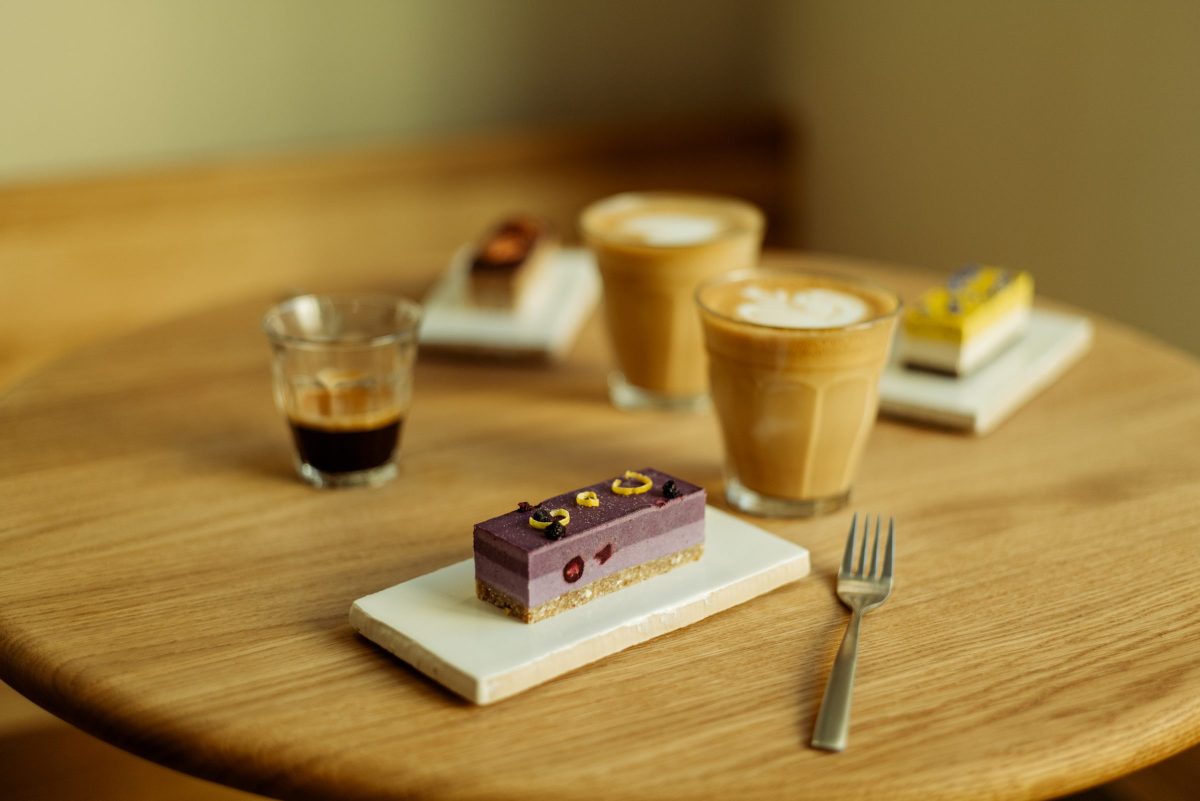
While Dirk and Eva placed a strong emphasis on the vegan dietary alternative, Martin and Miriam focus on indulgence, design, and special occasions. The products remain organic, vegan, gluten-free, and free from refined sugar. Customers are intended to buy them above all because they taste great and impress as a gift or dessert.
The entrepreneurs are driving brand building forward through packaging, their webshop, social media, and collaborations. In the videocast, Luible mentions, among other things, a listing with Käfer and participating as a partner in an event hosted by Elle and Elle Decoration.
Ladurée serves as his role model: a clearly recognizable premium brand with an international presence. Deep-frozen products are also intended to help Epique grow beyond the local market.
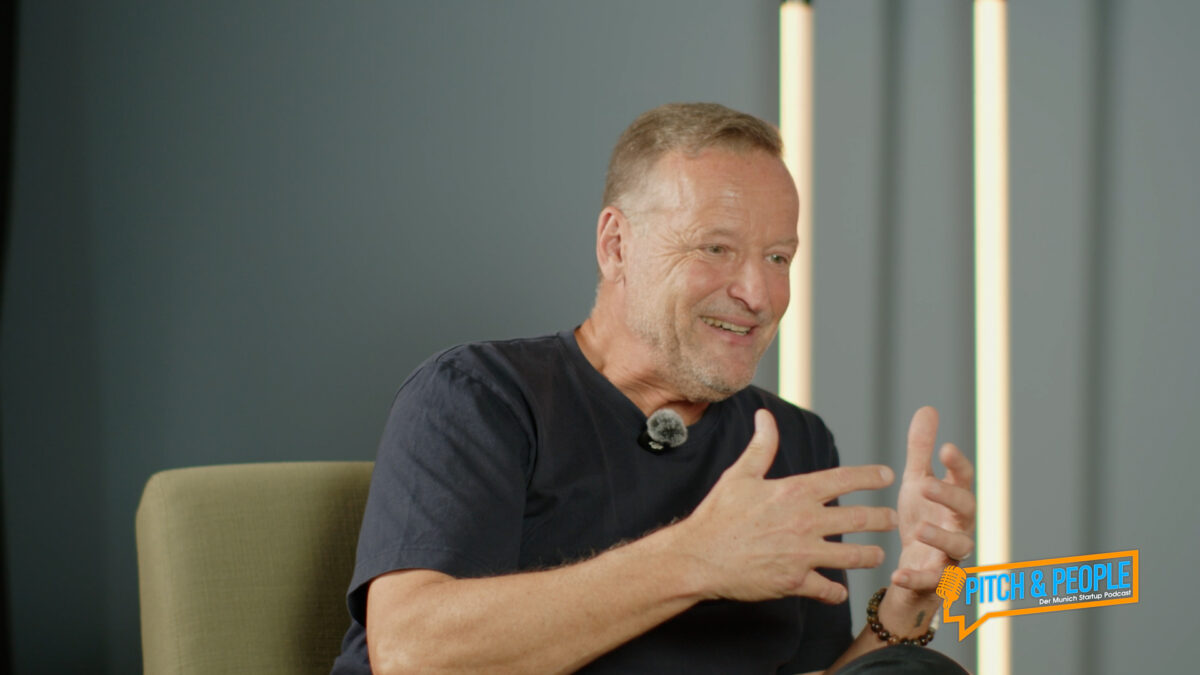
Martin Luible is an entrepreneur and co-owner of the patisserie workshop Epique from Gauting near Munich. He brings roughly two decades of management experience in the hospitality industry to the table. At Vapiano, he helped build up the franchise business and international expansion before starting his own hospitality consulting firm.
At the end of 2023, he took over Epique together with his wife Miriam and a business partner. While Miriam is responsible for product development, Martin oversees purchasing, production organization, marketing, and sales, among other things. Together, they aim to develop the vegan organic patisserie into an international premium lifestyle brand.
In addition, Luible is co-initiator and Head of Content of the hospitality summit BEAM in Bolzano, which brings together stakeholders from agriculture, food production, gastronomy, the hotel industry, and tourism. His management experience and role at BEAM are also described in the official organizer profile.
Global ambitions, 20-liter mixer
The Epique team consists of seven people, including working students and mini-jobbers. Epique sells through its own webshop as well as to B2B customers in delicatessen, gastronomy, hotel business, and other sectors. According to Luible, the company is already present in Germany, Austria, and the Netherlands.
For the next growth phase, however, very tangible investments are needed: a larger mixer, more deep-freeze capacity, and additional staff. A smaller financing round among family and friends is currently in preparation.
In the long term, Luible can also envision dedicated shop-in-shop spaces. At the same time, frozen shipping with dry ice incurs high costs in the direct-to-consumer business. Increasing availability through suitable partners is therefore also intended to help.
The ambitions are big. The pace, however, needs to suit the craft manufacturing setup:
“We definitely think big, but we try not to overextend our structures and organization.”
Turning down that major order embodies precisely this ambition. Epique wants to grow, but the brand needs to deliver on what its products promise in the process.
Breaking Out of the Bubbles: A “Davos of Hospitality”
Luible now experiences firsthand as a manufacturer just how closely food production, gastronomy, and the hotel industry are interconnected. It is precisely this perspective beyond his own industry that also drives his second project: the Hospitality Summit BEAM in Bolzano.
The idea grew out of his experience at industry events. Restaurateurs met restaurateurs, hoteliers kept to themselves, as did agriculture and tourism. For Luible, these sectors belong together—from growing the ingredients to the guest experience.
Together with Messe Bozen, he therefore developed a format designed to overcome these boundaries. The ambitious working title: “The Davos of Hospitality”. As co-initiator and Head of Content, Luible is responsible for the topics and the selection of speakers. BEAM brings together pioneers from agriculture, food production, gastronomy, the hotel industry, and tourism to jointly reflect on future models.
The name says it all: BEAM stands for “Be Ambitious”. Luible wants to break down the siloed thinking that, in his view, limits the industry’s influence. At Epique, he looks for suitable cooperation partners to achieve this; in Bolzano, he brings them together across industries around one table.