
PITCH & PEOPLE Folge 13: Cargomotion
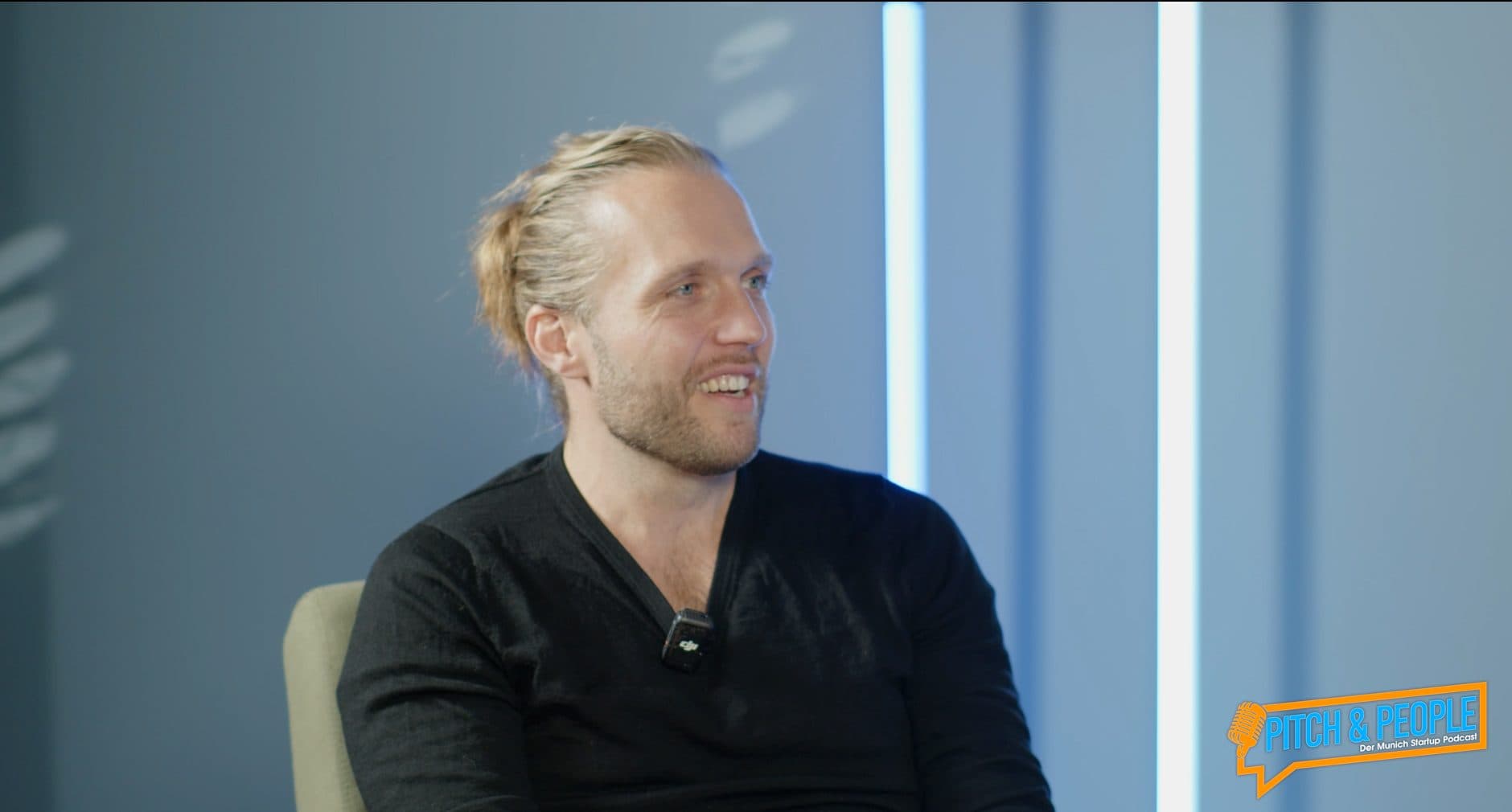
InstaFreight was considered one of the most promising logistics startups – until a failed term sheet and a collapsing market in 2023 triggered its downfall. In the video podcast Pitch & People, founder Maximilian Schäfer speaks more openly than ever about the insolvency and tears on his birthday. He also shares an encounter with Jan Marsalek that now casts a shadow over that period. An honest conversation about pressure, responsibility, and the courage to start over.


InstaFreight was a promise in 2016: a digital approach to a gigantic market, worth 350 billion euros, marked by empty runs and inefficiencies. Schäfer and his team grew rapidly over eight years – 70 million euros in venture capital, up to 300 employees, nearly 100 million euros in revenue. But rapid growth hit a hard reality: the corona boom ended, Russia’s attack on Ukraine sent the economy into freefall, customers left, while investments continued. Maximilian Schäfer, founder of InstaFreight, speaks openly at Pitch & People about a difficult time:
“We tried to chase a business plan that was no longer realistic.”
The attempt to sell the company fails in 2023, the term sheet collapses, time is running out. Soon something looms that entrepreneurs can barely fathom: insolvency.
The hardest moment
In this phase, Schäfer takes a long-planned vacation, actually at the perfect time of the due diligence phase. Then everything escalates. On the morning of his birthday, he takes three hours for himself, without his phone, without work. When he returns, he finds a digital storm: messages from lawyers, investors, and birthday greetings from friends who know nothing of his nightmare. Then his mother writes to him. And Schäfer breaks down:
“I had a proper crying fit. What is happening here? I don’t deserve any of this.”
Just ten minutes later he has to jump on a call with his lawyers. He turns off the camera – “bad connection” – and takes the call. An emotional rollercoaster.
The crash just before Christmas
In early December 2023, the team initiates emergency management, and shortly before Christmas comes the insolvency filing. Existential questions loom for his employees: what happens next? Will I still get my salary?
For Germany, Schäfer can at least reassure: the employment agency continues to pay for three months in case of insolvency. But at the Polish location, uncertainty prevails – no clear regulations, no guarantees. Schäfer goes there, sits down in front of the team and tells them honestly that he cannot guarantee their salaries.
Then come the hauliers. 50,000, 100,000 euros in outstanding payments. Men who have been in the business for decades break down in tears on the phone.
“Some yelled at me: ‘How am I supposed to manage this now? You’re dragging me down with you into insolvency.'”
A few even want to go after Schäfer personally and recover their money. The office is locked as a precaution, the police are informed.
An encounter with Jan Marsalek
Years before Instafreight, when Schäfer works for Rocket Internet in Russia building the logistics division of a fashion e-commerce giant, he encounters then-Wirecard board member Jan Marsalek, at a time when Wirecard was still considered a model company.
Schäfer helps a Russian startup prepare for fundraising. But the investor round turns into a farce: Russian “B-list oligarchs,” armed bodyguards in the boardroom, unclean books. Schäfer stands there as a young manager and is supposed to explain that a European VC will never invest here.
And Marsalek? He shows up as an interested investor – at a time when his public reputation is still intact and he meets with political leaders. Schäfer experiences the meeting in a small office above a fake market on the outskirts of Moscow as an absurd moment in an already wild stretch of his career.
Editorial note: Jan Marsalek, born in 1980 in Vienna, was for many years one of the most important managers at payment service provider Wirecard, rising to COO. He was seen as the driving force behind the company’s international expansion pace, particularly in Asia. After Wirecard’s collapse in 2020, when it emerged that allegedly existing 1.9 billion euros did not exist, Marsalek became the focus of investigations for accounting fraud, breach of trust, and fraud. Shortly after his dismissal, he went into hiding and has been internationally wanted ever since. Research by several media outlets suggests he is probably in Moscow and receiving support from Russian intelligence services. Today, Marsalek is considered one of the most colorful and controversial figures in one of Europe’s largest business scandals.
After the collapse: The restart
After all that: why would you start a company again? Schäfer says:
“I think I can’t do anything else. It’s in my DNA.”
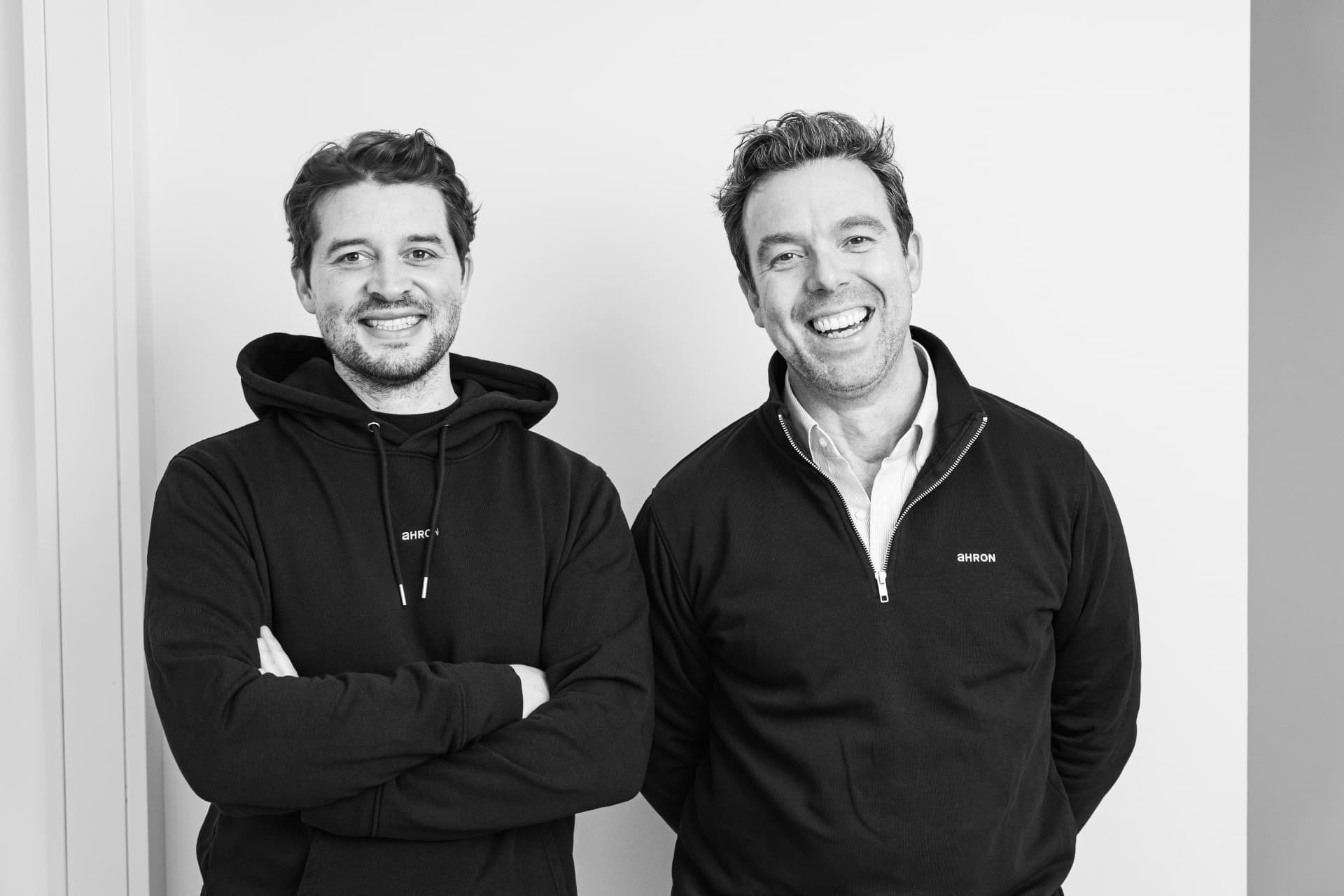
He and his co-founder eventually buy the IP from the insolvent InstaFreight themselves – in another competitive bidding process. And they start fresh: Cargomotion, an AI-based add-on for transport management systems that allows logistics service providers to automatically calculate prices and use AI bots.
It is what remains after an entrepreneurial earthquake: the technology, the will to continue, and the realization that failure, while painful, can also be the beginning of something new.