PITCH & PEOPLE Folge 33: Vaeridion
“Like a fine wine, it just keeps getting better.” With this comparison, Ivor van Dartel, founder of Vaeridion, describes the future of electric aircraft at Pitch & People. He’s referring to the battery—and according to the Munich startup, it should ensure that electric regional flights become not only more sustainable but, above all, more economical than today’s short-haul flights.


It comes as a surprise that an aircraft manufacturer becomes a convinced electric advocate. Ivor van Dartel worked for more than twelve years at Airbus, was already concerned with electric aircraft concepts in 2007, and knows the limits of the aviation industry from his own experience. His conclusion today:
“Everything that can be flown electrically will be flown electrically. Not only because it’s clean. Above all, because it’s cheaper.”
Vaeridion deliberately takes a different path than flying taxi startups
While many startups in recent years have focused on futuristic flying taxis and completely new aircraft, Vaeridion pursues a significantly more conservative approach.
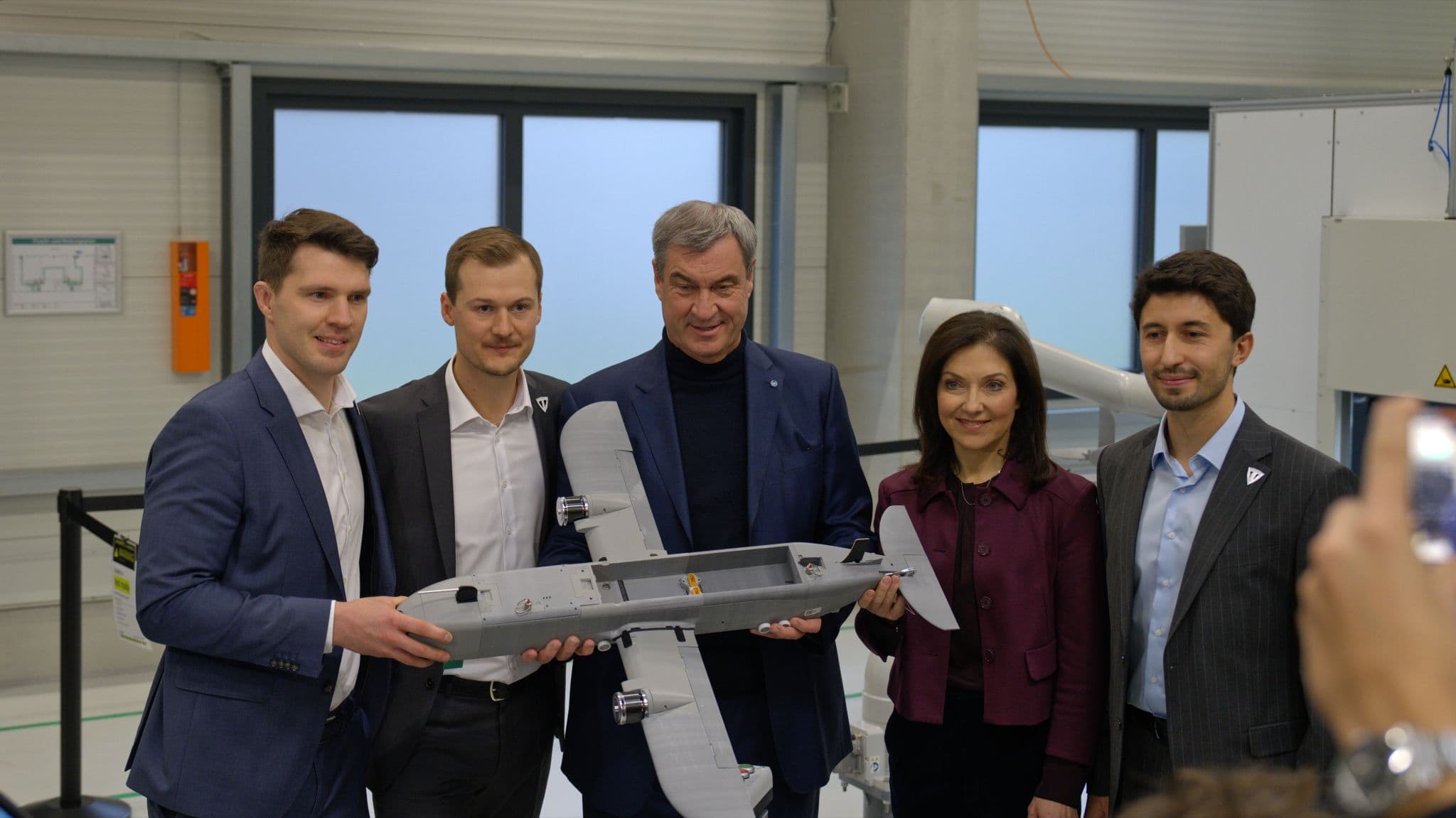
The Munich startup develops a nine-seat electric regional aircraft for routes up to 600 kilometers. While the aircraft itself is a new design, the underlying architecture is deliberately kept conventional. Metal fuselage, mechanical control systems, established suppliers, and classical airfields instead of new infrastructure.
“Actually, the only thing that’s new for us is the propulsion system,”
says van Dartel.
The founder sees exactly this as a key difference from many failed or extremely capital-intensive aviation projects in recent years.
Why Vaeridion doesn’t want to burn billions
Van Dartel speaks openly in the interview about the challenges of electric aviation—and they are not insignificant. While many companies try to simultaneously build a completely new aircraft, new operating models, and new infrastructure, Vaeridion deliberately focuses on what van Dartel says actually needs to be new: battery integration and electric propulsion. This has direct implications for certification costs.
According to van Dartel, flying taxi projects quickly become “billion-dollar projects,” while Vaeridion operates in a certification category that remains in the “millions range.”
That’s why the company has already worked with certified aviation organizations before its first venture capital investment and established early direct contact with regulatory authorities.
The battery is the heart of the aircraft
The greatest technical challenge remains the battery.
Unlike in electric cars, large, flat battery packs cannot simply be integrated into aircraft. Aircraft wings move in flight, they bend and respond to aerodynamic forces.
Vaeridion therefore developed its own solution. Instead of one large battery block, the company uses many smaller battery units that are integrated between the wing ribs and can move independently of each other.
Vaeridion relies exclusively on already industrialized battery cells and existing standards. This is exactly where the “wine” comparison comes into play. According to van Dartel, battery chemistry advances every year. Once more powerful cells with the same dimensions become available, Vaeridion can retrofit existing aircraft.
“Like a fine wine, it just keeps getting better.”
For van Dartel, this is one of the greatest advantages of electric aviation. The aircraft doesn’t necessarily age technologically; rather, it can become more powerful through new cell generations.
“There is no green premium”
Remarkably, Vaeridion builds its argument hardly around climate protection at all. Instead, Ivor van Dartel speaks almost exclusively about economic efficiency. Electric aircraft are interesting not because they’re cleaner, but because they can be operated more cheaply in the long term.
“At the end of the day, it’s always economic efficiency that decides,”
he says.
The economic logic behind it is comparatively simple. Electricity will become cheaper in the long term through renewable energy expansion, while kerosene will become more expensive through CO2 certificates and regulatory requirements. At the same time, electric engines require significantly less maintenance than traditional turbines. Add to this the fact that smaller electric aircraft could profitably serve routes that are economically unviable today. Vaeridion speaks of so-called “trip costs” of less than 1,000 euros per flight.
This would enable new regional connections—for example between smaller cities without high-speed rail connections or conventional scheduled service.
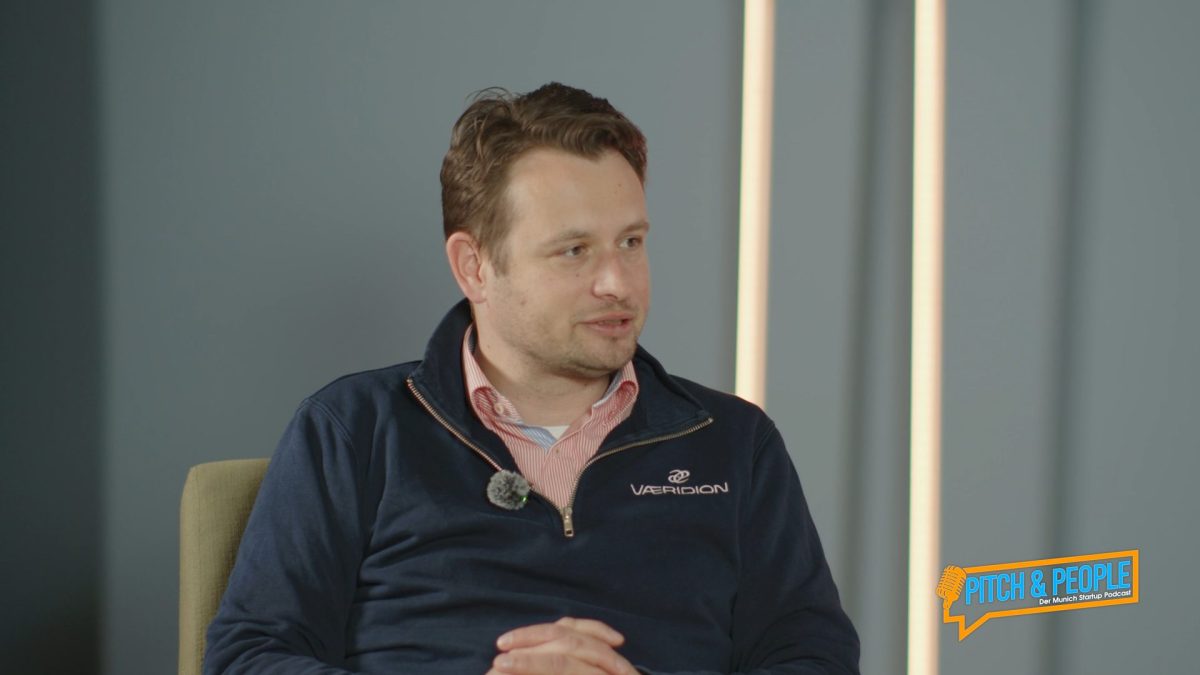
Ivor van Dartel founded Vaeridion in Munich in 2021 after already working on electric aviation since his studies in Delft. The aerospace engineer previously worked at Lockheed Martin and for more than twelve years at Airbus, where he intensively dealt with electrification in aviation.
With Vaeridion, he now develops a fully electric regional aircraft for routes up to 600 kilometers. The startup deliberately pursues a pragmatic approach: instead of completely new aircraft concepts, Vaeridion combines established aviation technologies with an electric propulsion system and a custom-designed battery architecture.
Electric regional flights instead of Munich to New York
Van Dartel also makes clear where the limits of battery-electric aviation lie:
“We’re not going to fly 100 people to New York from Munich on battery electric now.”
The focus is instead clearly on short and medium distances. According to Vaeridion, approximately half of all global flight routes are under 800 kilometers. This is exactly where the company sees the ideal application area for electric aircraft. And a huge market already exists there today.
According to van Dartel, around 24,000 aircraft in this size class fly worldwide—averaging more than 30 years old. These machines could potentially be replaced in the future.
Charging infrastructure should not become an obstacle
On charging infrastructure, Vaeridion also deliberately relies on existing standards. The company uses the MCS standard (“Megawatt Charging System”), currently being developed for electric trucks. The required charging power is around 800 kilowatts to one megawatt. According to van Dartel, such charging systems already exist on the market.
Regional airports therefore don’t need to build completely new infrastructure. One to two charging stations per location would initially suffice.
First flight planned within the next 100 weeks
According to the company, the first crewed flight should take place within the next 100 weeks. In 2030, the first customer aircraft should finally be delivered. For van Dartel, this project is much more than just a startup.
“I’m an aircraft builder who became an entrepreneur because that was the only way I could realize this project.”