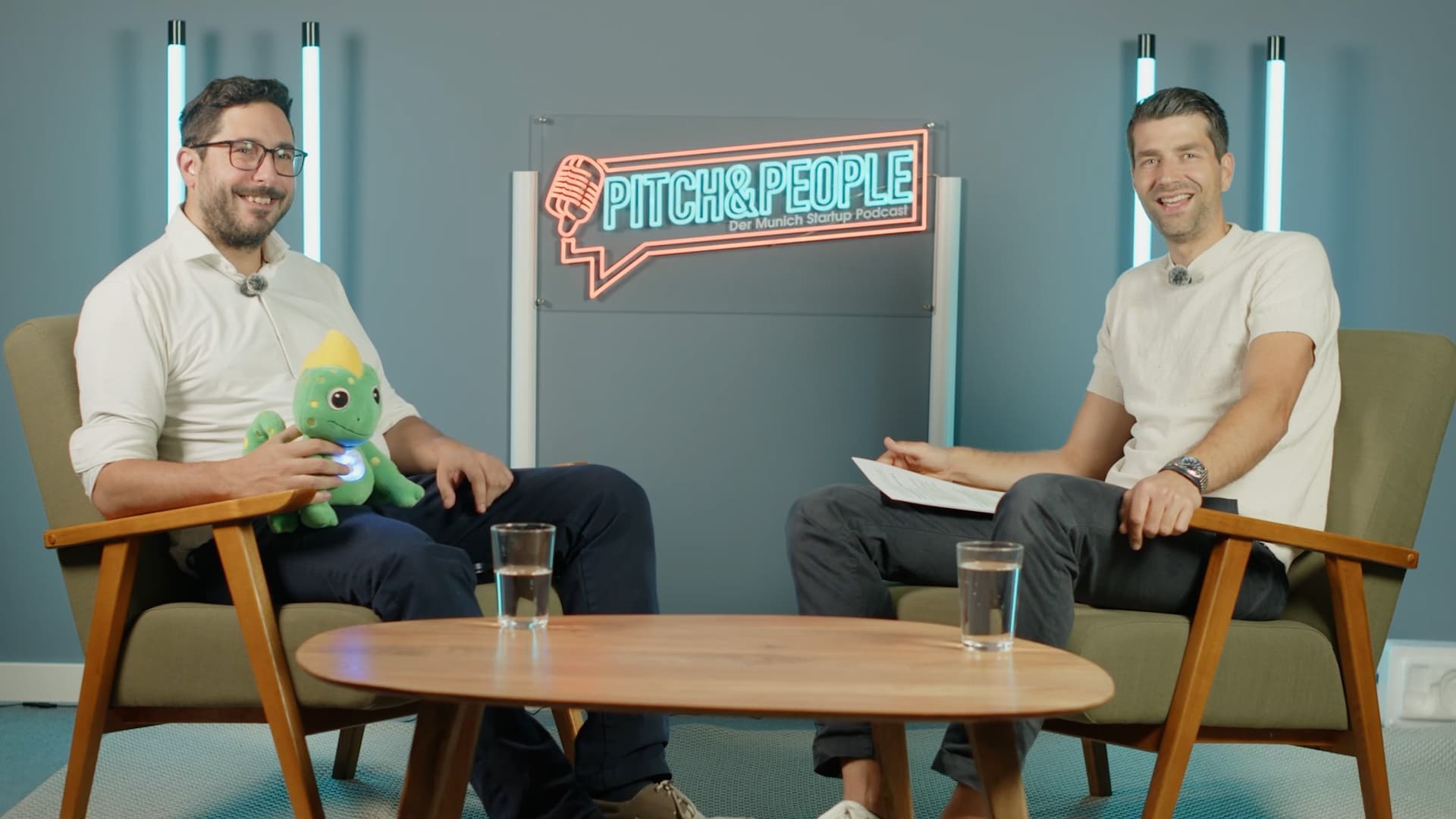

You can find the investor interview with Marc Alexander Kühn from UVC Partners and all other episodes of our podcast on Spotify, iTunes, Amazon Music, Deezer, Google Podcasts, Pocket Casts, Radio Public, Breaker, Overcast, Castbox, Podcast Addict and Anchor.
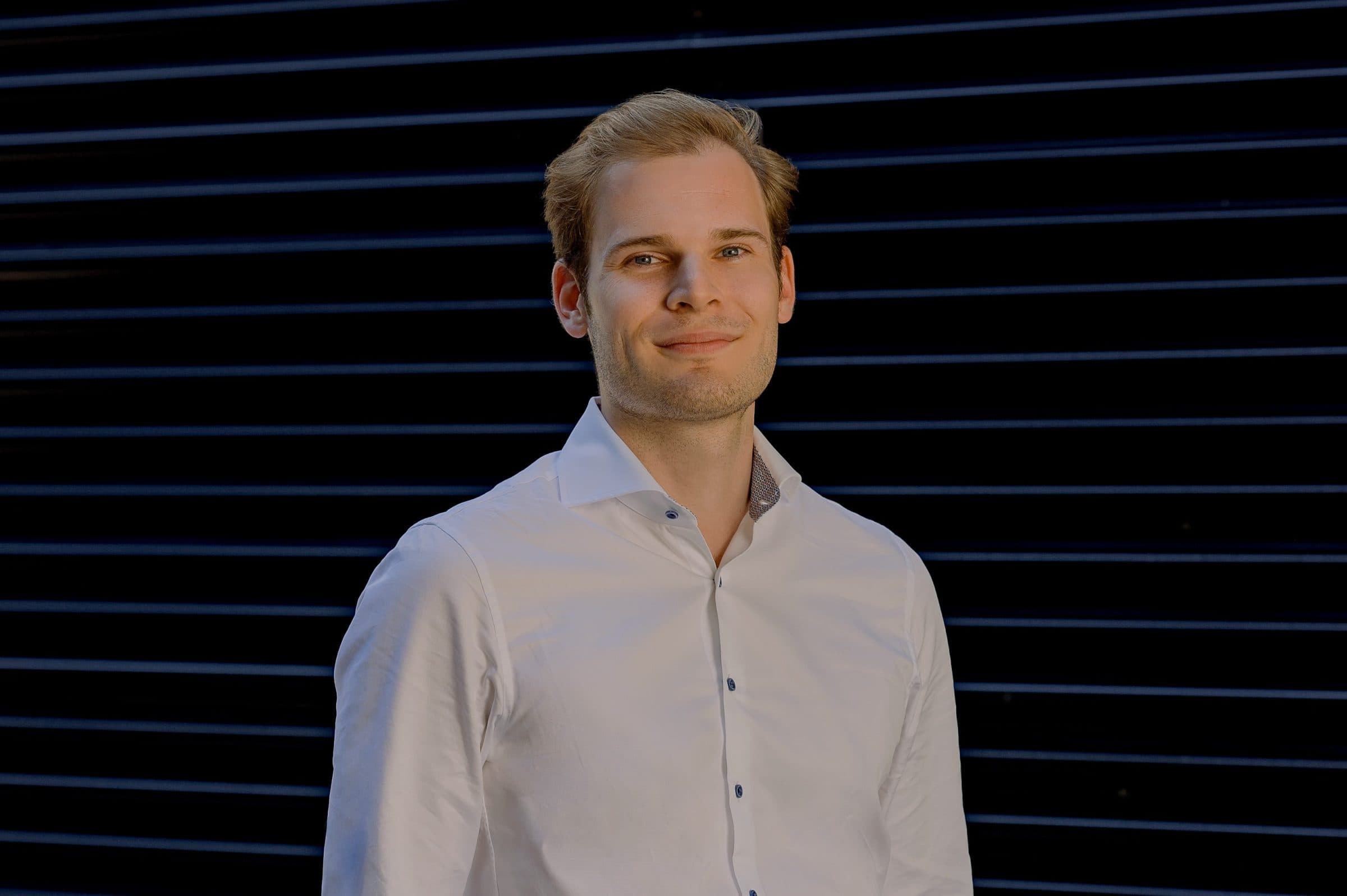
Marc Alexander Kühn holds a master’s degree in engineering and computer science from the Technical University of Munich with a research stay at the University of Oxford and a bachelor’s degree in engineering and management. He has also published several peer-reviewed scientific papers in the field of machine learning. His previous experience includes deeptech venture capital, computer science research at the Fraunhofer Society, technology strategy at a global company, and freelance business consulting.
We begin the podcast by introducing UVC Partners briefly. The venture capital firm behind the UnternehmerTUM innovation center focuses on disruptive B2B startups in the areas of deeptech, climatetech, mobility, and software/AI. The geographic focus is on the DACH region as well as European teams that want to tap into the German-speaking market. After the investor closed its fourth fund with 250 million euros, UVC Partners now manages assets of over 600 million euros. Marc also explains what sets UVC apart from other investors. The technical background of the dealmakers – he himself researched machine learning – and UVC Partners’s network – from universities to research institutions to industry – help evaluate deeptech innovations.
The billion-dollar gap in AI startups
Starting at minute 5:25, we focus on the topic of AI. We first discuss the development so far. Marc refers to the Gartner hype cycle and explains that startups now have to meet very high expectations and generate capital returns. The focus is also on David Cahn’s considerations, partner at Sequoia Capital. Ultimately, this is about the fact that AI startups would have to generate enormous profits with their software in order to co-finance the required GPUs. There is still a large billion-dollar gap here, and not every startup will be able to do it. Therefore, we then discuss how a VC finds the companies that can pull it off.
Subsequently (from minute 10:20), we explore some of the technical aspects of AI. Marc explains in broad strokes how solutions like ChatGPT work. He goes into more detail about the attention model. This makes it possible to give AI context, from previous sentences to sources like Wikipedia. We also discuss various challenges that AI development may face in the future, from the origin of training data to growing energy consumption (in the context of global warming). And Max can also explain the difference and relationship between machine learning (ML) and large language models (LLM).
Generative AI is not everything
We discuss use cases of AI from minute 21:55 onwards. It quickly becomes clear that technology and media-savvy industries are among the early adopters, while traditional industries with longer sales cycles will take longer to adapt. Marc points out that it is important not to forget that generative AI – solutions that generate text, images, or code – is just one form of artificial intelligence. Other forms, such as analytical approaches, serve other use cases, for example in route planning or machine control.
Towards the end of the podcast (from minute 26:15), we also discuss the AI startup landscape in Munich, Germany, and Europe. Based on the current German AI startup landscape, we look at where Europe stands in AI competition with the US and what role Germany plays here. And we also take a small detour into robotics and automation – other areas of expertise for Marc – from minute 31:30 onwards. Of course, AI plays a major role here as well.