
PITCH & PEOPLE Folge 35: Nexus Politics
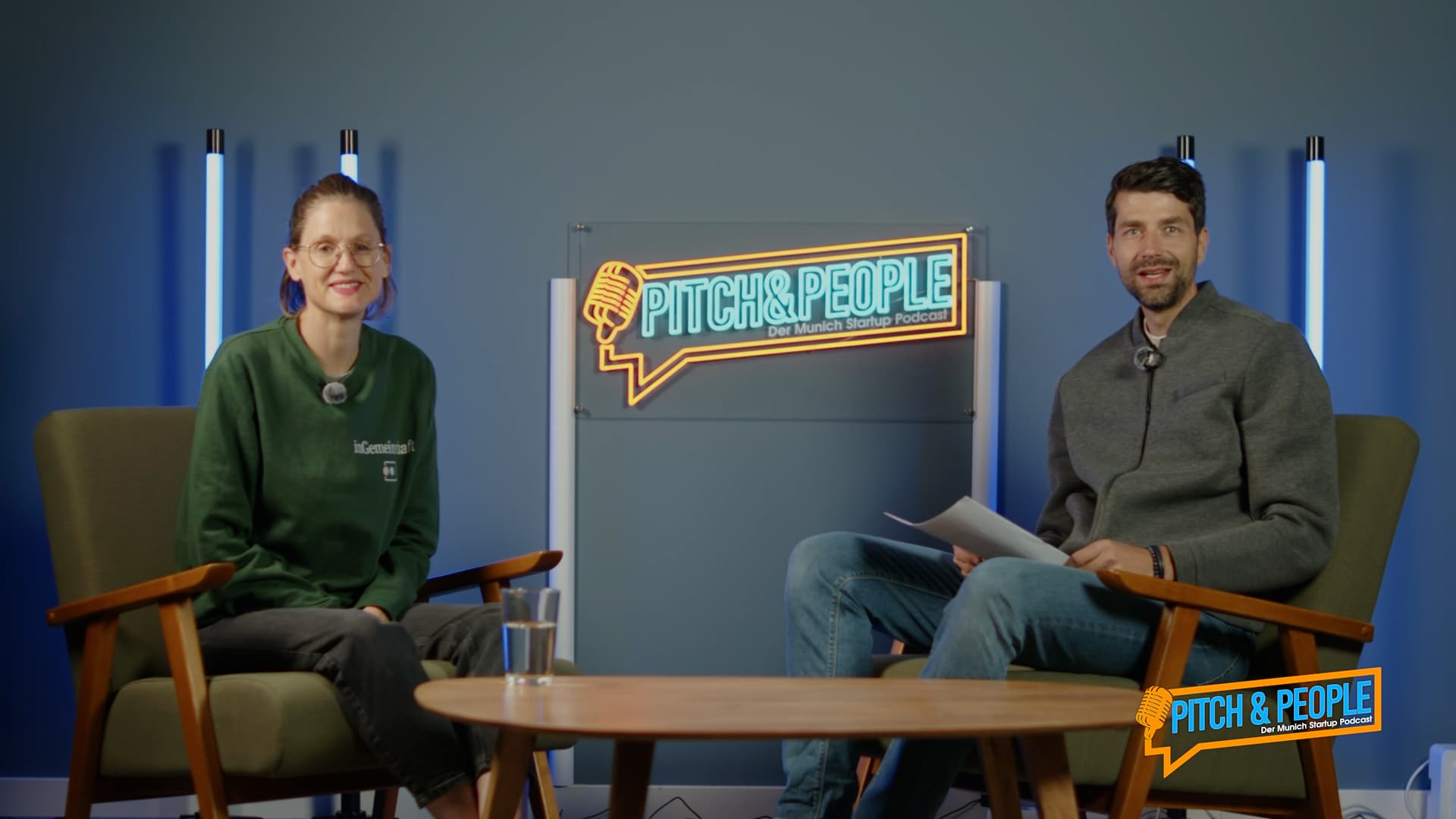
Political participation is often complicated, slow, and lacking in transparency. The Munich startup Nexus Politics wants to change that – with a platform that bundles citizen concerns, analyzes them using AI, and forwards them directly to the responsible departments. Founder Magnus Strobel explains in the Pitch & People videocast why politics “still works with Outlook” and why his startup wants to become the “LinkedIn for democracy.”


“Thank you for your concern” – and then nothing happens. Anyone who has ever tried to raise a political issue knows exactly this feeling. An email to the representative, maybe even a reply from the office, and then the topic disappears somewhere between an Outlook inbox, responsibilities, and bureaucratic apparatus.
The Munich startup Nexus Politics wants to change exactly that. Founder Magnus Strobel is working together with co-founder Christoph Waffler on a platform designed to bring citizens, politics, and administration together digitally. Strobel formulates the vision behind it in the Pitch & People videocast as follows:
“What LinkedIn is for work or Instagram is for vacation photos, we want to become for politics.”
Politics as a digital patchwork
The core idea behind Nexus Politics stems from a problem that many people know: political participation is complicated. If someone has a concern, they often have to first laboriously find out who is even responsible. Municipality? State parliament? Federal parliament? Ministry? Add to that various platforms, petitions, portals, and communication channels.
“Nobody does that. That’s exactly why we want to create a single entry point into politics with Nexus Politics.”
The platform is intended to collect citizen concerns, cluster them thematically with the help of AI, and automatically forward them to the responsible departments. At the same time, users should be able to track what happens to their concern, including processing status and feedback from political processes.
Because that’s exactly where Strobel currently sees a central problem:
“Politics receives an email from me as a citizen and mostly still works with Outlook.”
CRM system for politics
Nexus Politics is therefore developing not just a participation tool for citizens, but also a kind of CRM system for political work. Concerns should be able to be prioritized, categorized, and documented. Politicians could create internal notes, manage status updates, or obtain information from government agencies.
In the conversation, Strobel describes an example from state politics: citizens report a problem, for instance with beavers felling trees. Responsibilities must be checked, authorities involved, and information gathered. In today’s system, such a case often completely disappears from citizens’ view. The platform is intended to create transparency precisely here.
Between citizen dialogue and govtech platform
In doing so, the ambition of Nexus Politics extends well beyond classic participation platforms. The startup wants to ultimately unite all relevant political actors on one platform: citizens, politicians, municipalities, media, NGOs, and interest groups.
For politicians, the team is additionally developing further tools – from profile pages to campaign management to survey tools. Custom websites could potentially even become unnecessary in the long term.
The startup currently sees smaller municipalities as a particularly interesting market. According to Strobel, there is often hardly any professional citizen participation tools there, yet at the same time great interest in digital solutions.
The democracy question behind the startup
At its core, Nexus Politics engages with a larger societal question: why is dissatisfaction with politics growing in many democracies?
For Strobel, the issue is “multifactorial.” At the same time, he criticizes the fact that political processes still rely heavily on analog structures. Many existing offerings are fragmented: petitions here, representative communication there, parliamentary documents elsewhere.
The startup is therefore trying to make political participation significantly more accessible. Particularly interesting: according to Strobel, many concerns on the platform are surprisingly personal and local, such as blocked access to swimming lakes or problems in the immediate residential environment.
In particular, the ability to submit such topics anonymously can lower the barrier to entry.
AI, data protection, and the reality of a govtech startup
Building a platform for political communication does, however, come with considerable regulatory challenges. Nexus Politics processes politically sensitive data and thus operates in a highly regulated environment.
Strobel mentions the AI Regulation, GDPR, and the Digital Services Act as major topic areas. The startup is therefore supported by external data protection experts and legal advice.
Technologically too, AI is not an end in itself for Nexus Politics. Although the startup uses artificial intelligence for analyzing and clustering concerns, it is aware of the risks. “AI still hallucinates,” Strobel says openly.
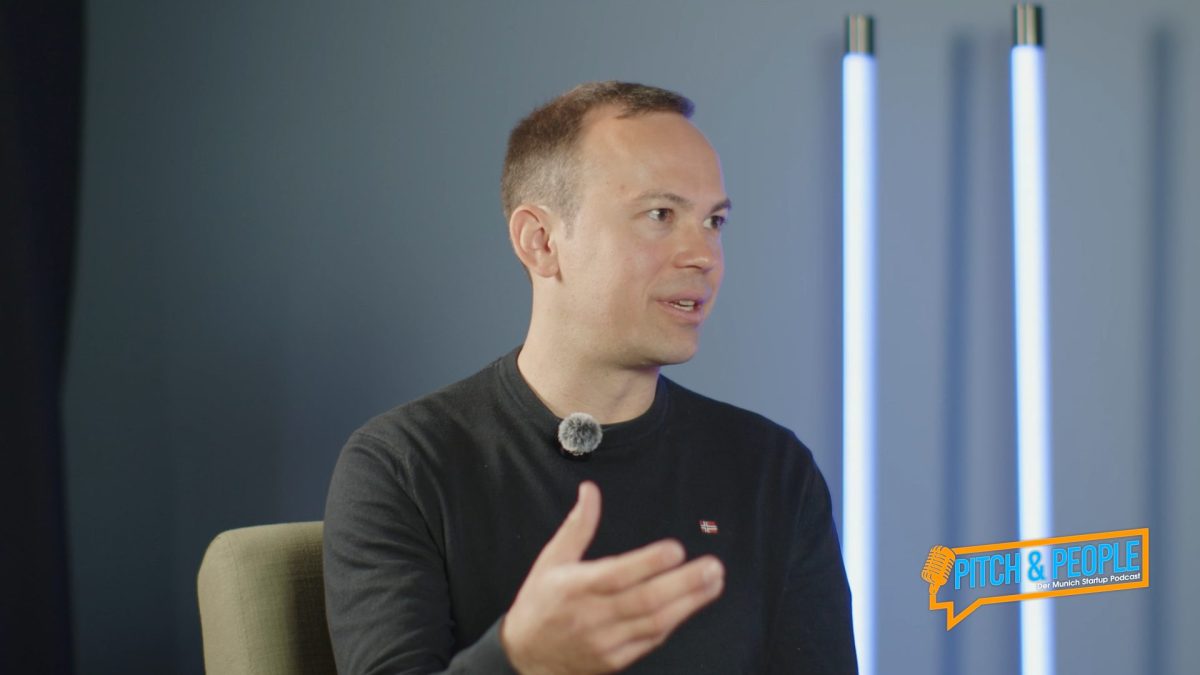
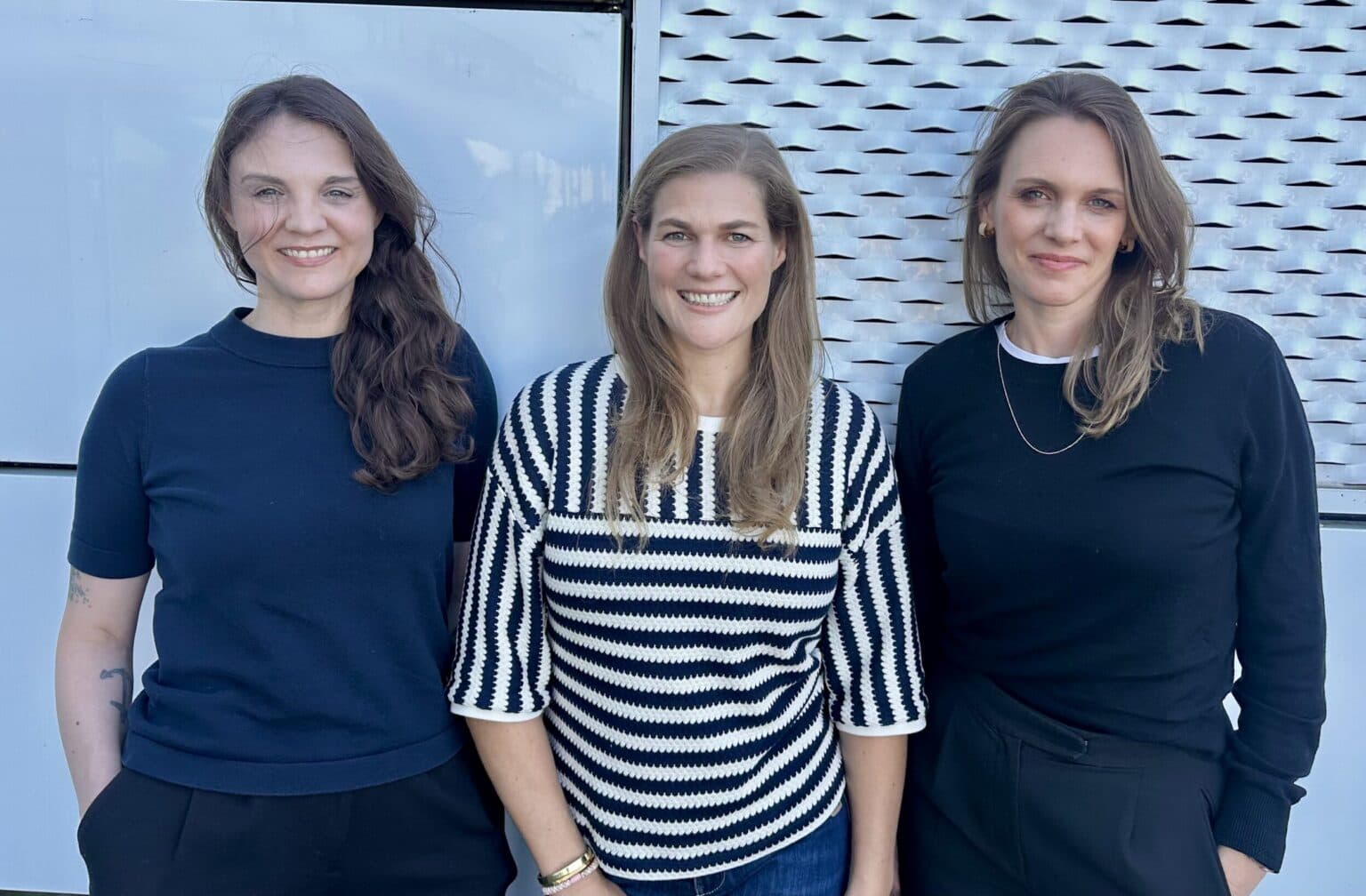
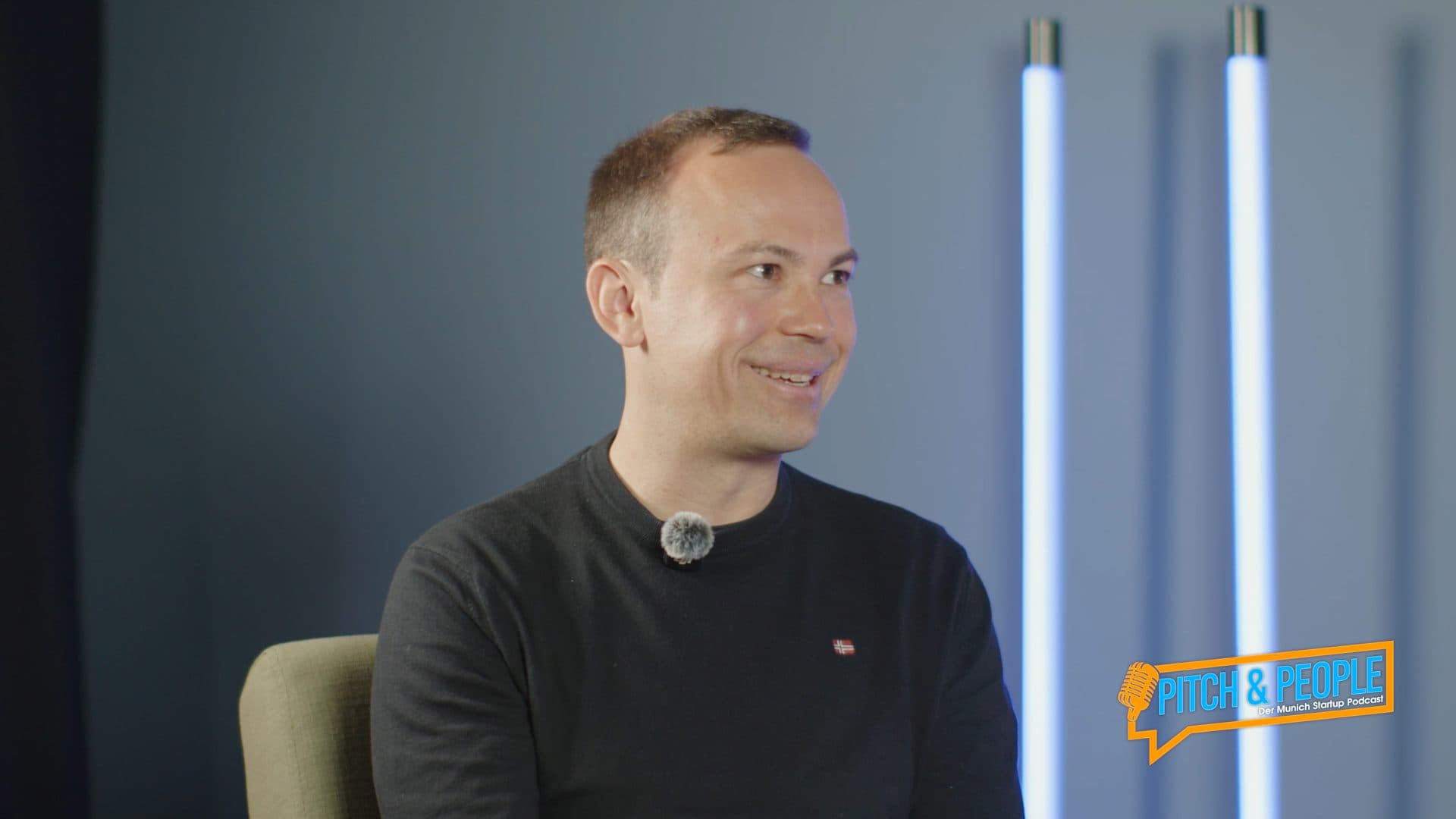
Magnus Strobel is co-founder and CEO of the Munich startup Nexus Politics. Together with his co-founder Christoph Waffler, he is working on digital solutions for greater citizen participation and modern political communication.
The two met through the founding network of the TU München. While Waffler comes from computer science, Strobel brings an economics and political background. The focus of his work is on the questions of how democracy can become more transparent, accessible, and digital, and how technology can help reconnect citizens and politics more closely.
Still under construction – but with great vision
Currently, the startup is still in its development phase. The CRM system is still under development, so there are no major success stories from citizen dialogue yet. Nevertheless, according to Strobel, 40 to 50 politicians have already registered on the platform.
Incidentally, Strobel and his co-founder Christoph Waffler met through the founding network of the TU München. From initial discussions about democracy, digitalization, and political participation, Nexus Politics gradually developed step by step.