PITCH & PEOPLE Folge 6: Pulsetrain
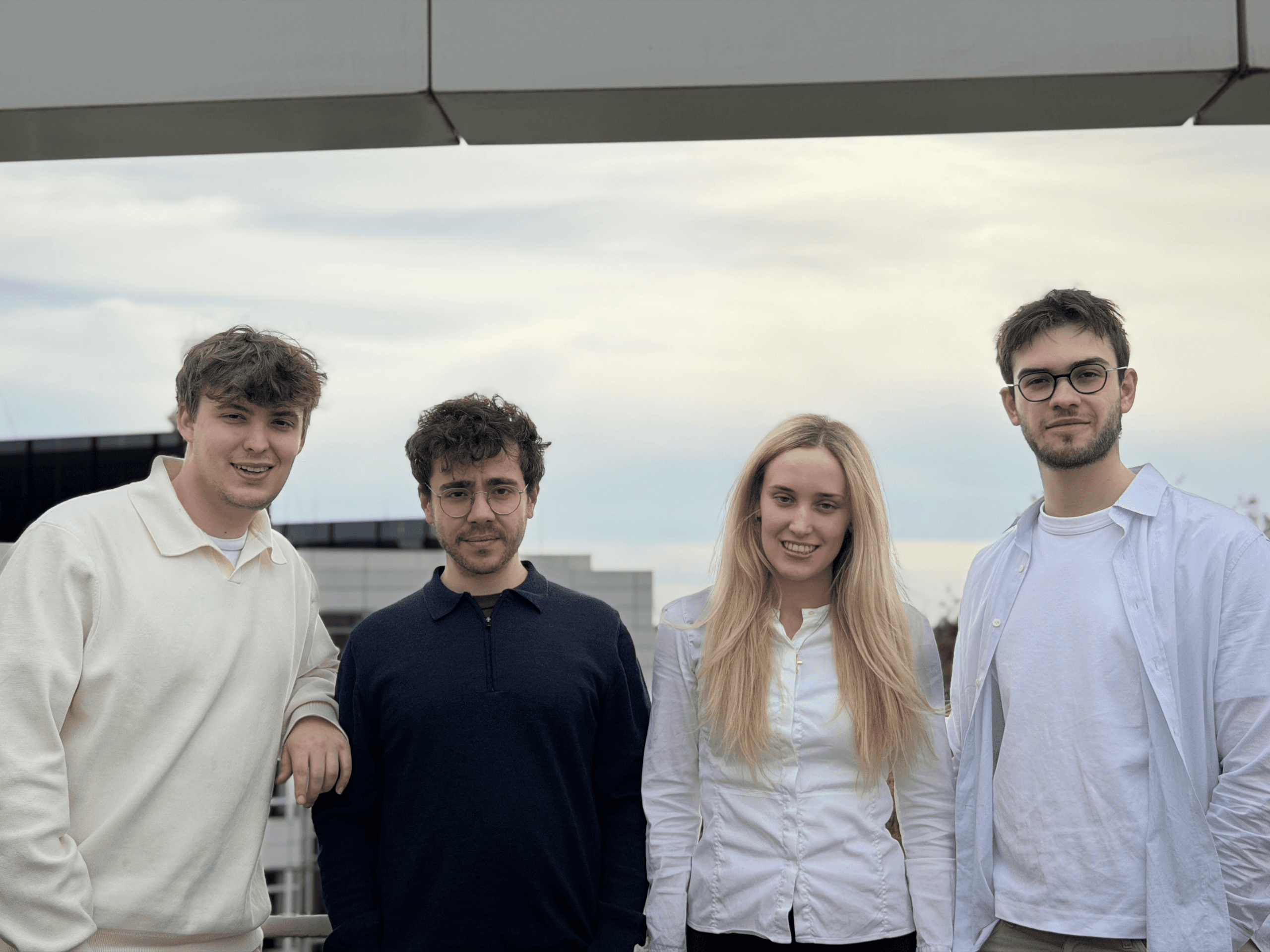
Electric cars consume electricity – obviously. But what if they could make money in the future? Pulsetrain founder Niclas Lehnert and his team are developing technology that not only extends battery life but will make them an active part of the power grid. This could mean that e-mobility for the first time not only consumes energy but also generates revenue. You’ll learn more about this and much more in the new Pitch & People video podcast episode.


From power consumer to power supplier
What sounds like science fiction is already everyday technology at Pulsetrain. With bidirectional charging, electric vehicles should soon not only draw power but also feed it back into the grid when needed – for example when energy providers need to balance power peaks. Niclas Lehnert, founder of Pulsetrain, explains this in the video podcast Pitch & People:
“You basically get paid for the energy stored in the vehicle – cash paid out. This is the first moment in the history of mobility when you can actually make money with a car instead of just spending money.”
This turns the electric car into a mini power plant on four wheels – or in an emergency, even a backup power source if the grid goes down.
Technology with depth: cell-level control
Pulsetrain wants to revolutionize battery lifecycle management. While conventional systems treat all cells equally, the startup’s solution enables targeted control of individual cells and thus significantly longer lifespan.
“We work at the cell level. This allows us to control each cell individually instead of treating them all the same.”
explains Lehnert.
The result: up to 18 years of lifespan instead of the industry standard 10 to 15 years.
The technology is based on a combination of intelligent power electronics and software that interacts directly with the battery – not just through cooling systems or external factors like conventional manufacturers.
Pulsetrain vs. BMW: A game changer in detail
Even major manufacturers like BMW have recognized the battery lifespan issue. With the “New Class,” BMW promises up to 15 years of battery durability – a remarkable step forward.
Lehnert primarily sees this as confirmation of his own approach:
“BMW has taken a very good technological step forward with the new class, especially through improved cooling systems. But they always access the cell from the outside. We go directly inside.”
While BMW achieves efficiency gains through optimized external conditions like cooling and thermal management, Pulsetrain relies on direct electronic access to each individual cell.
The difference: Pulsetrain doesn’t change the battery’s environment, but the battery itself, and can thus specifically compensate for weaker cells instead of tuning the entire system to them. This results in longer lifespan, greater range, and faster charging times.
Second life for old batteries
Even at the end of their vehicle life, Pulsetrain batteries don’t have to go to recycling. Instead, the company wants to close the “missing link” in the battery cycle: with a simple software update, used vehicle batteries should become stationary energy storage – for example for solar parks or power grids. Niclas Lehnert describes it this way:
“We shift recycling to the very end of the lifecycle. Between application and recycling, we open up a new use case.”
This way, Pulsetrain extends battery usage for years – an important lever for sustainability and resource efficiency in e-mobility.
Technological advantage from Europe
While Asian markets lead in battery production, Pulsetrain deliberately positions itself as European. Lehnert emphasizes:
“We see ourselves as the interface between the cell and the application. And that’s exactly where our advantage lies.”
With this specialization in electronics and software, the Munich startup fills a market gap between cell production and vehicle integration. First prototypes have been built, first customer projects started, including one with Handmann from Baden-Württemberg. Following seed financing of 6.1 million euros, Pulsetrain is now working on industrializing and commercializing its technology. Series production readiness should be achieved in approximately 12 to 15 months.