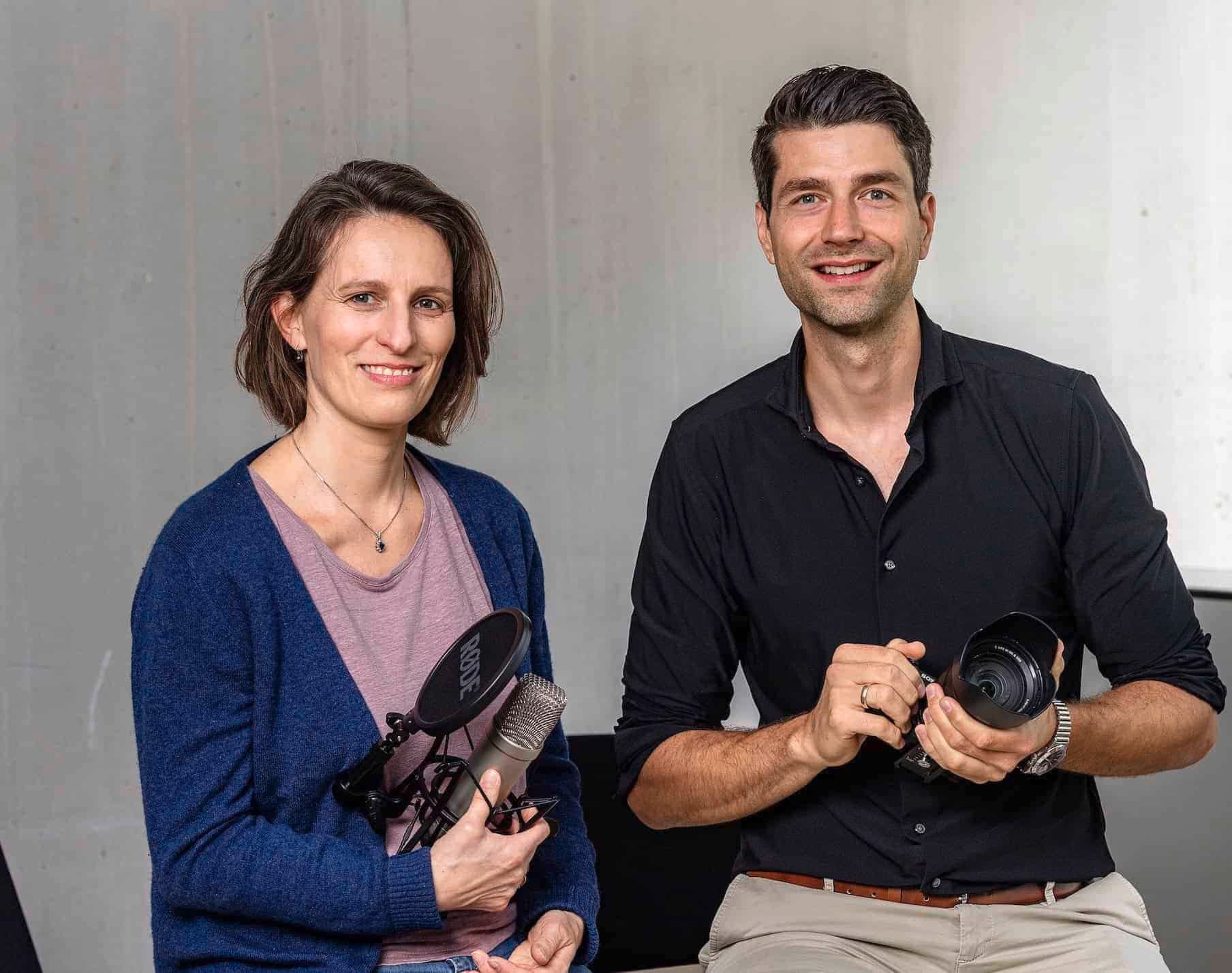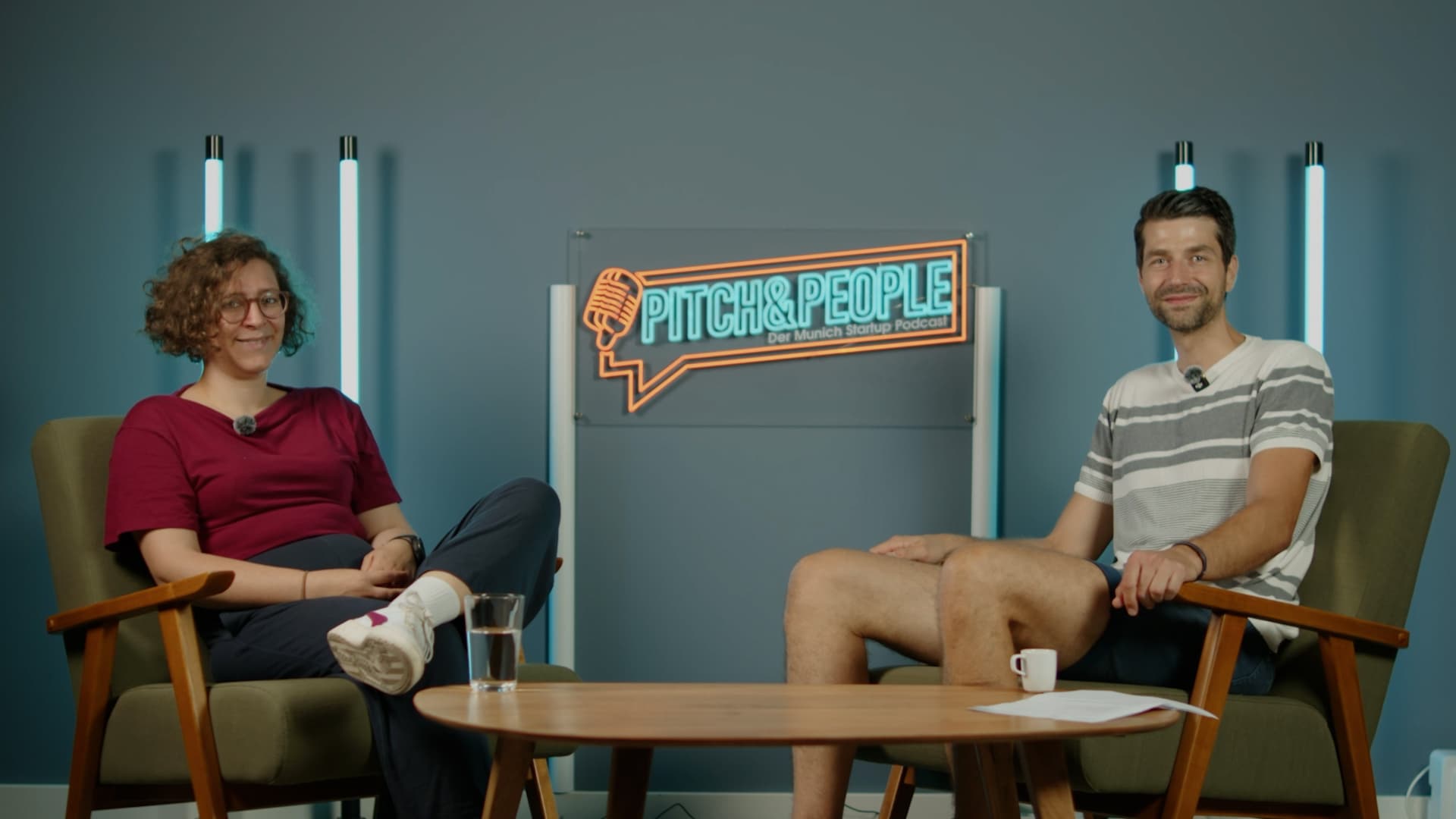

PITCH & PEOPLE Episode 51: Diafania
She never wanted to be a founder. Today Vera Meinert is building Diafania. With her Munich-based proptech startup, she is developing an AI platform that brings order to technical building data—from maintenance logs to repair reports. On Pitch & People, she talks about making the leap from consulting to running her own business, initial customers, and the uncertainty that remains despite growing revenues. She also shares why founding can feel lonely even within a team and how difficult it is to make personnel decisions as a boss. An episode about responsibility, courage, and the desire to inspire more women to start businesses.


When her future co-founder Johannes Peschko predicted in 2022 that she would one day start a company, Vera Meinert was surprised. Running her own business was not part of her plans. Her mother is a psychologist, her father an educator. Meinert studied industrial engineering and later worked in AI and data consulting, where she built up a business unit. Peschko saw something in her that she didn’t see herself yet: a future founder.
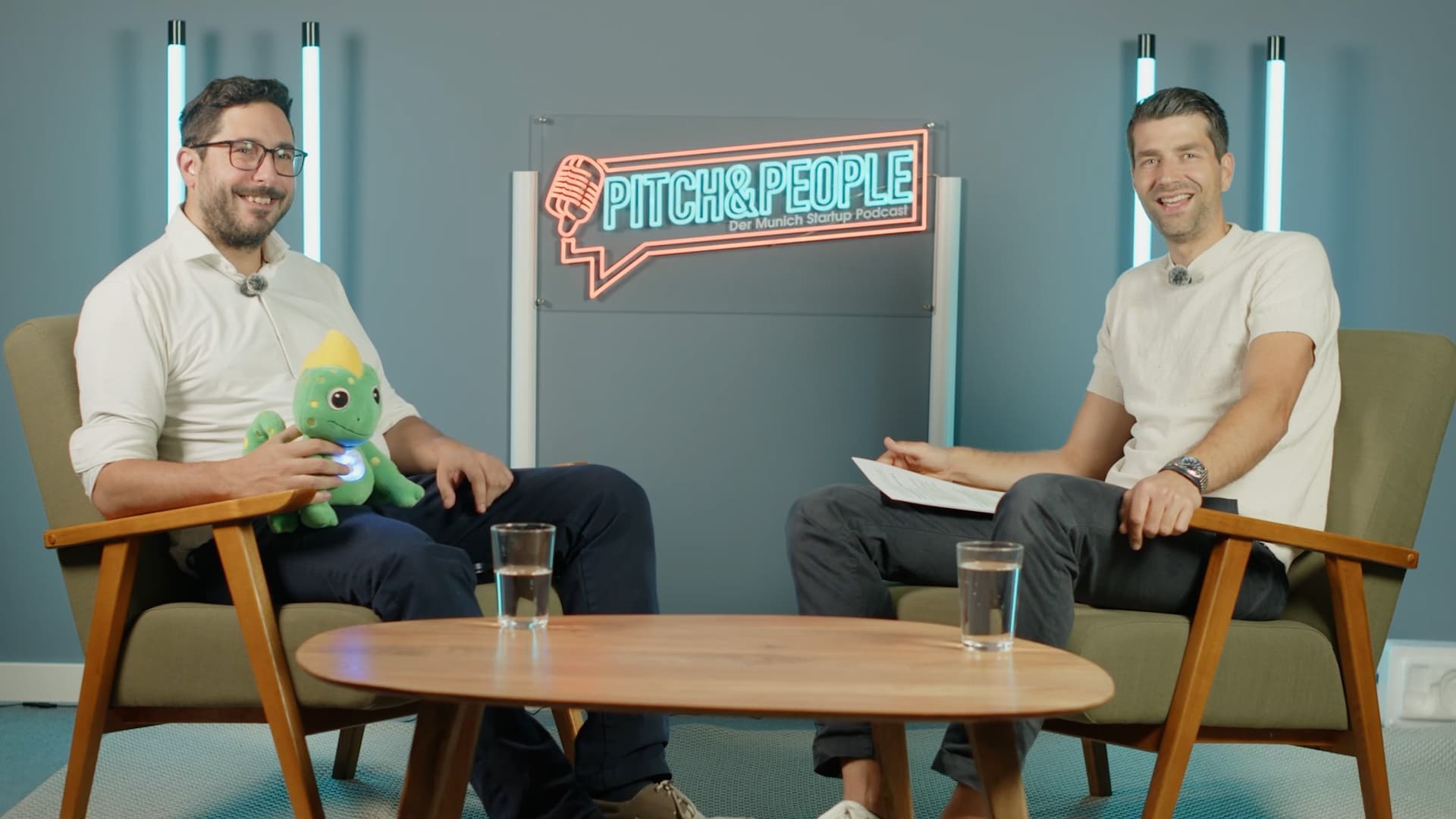
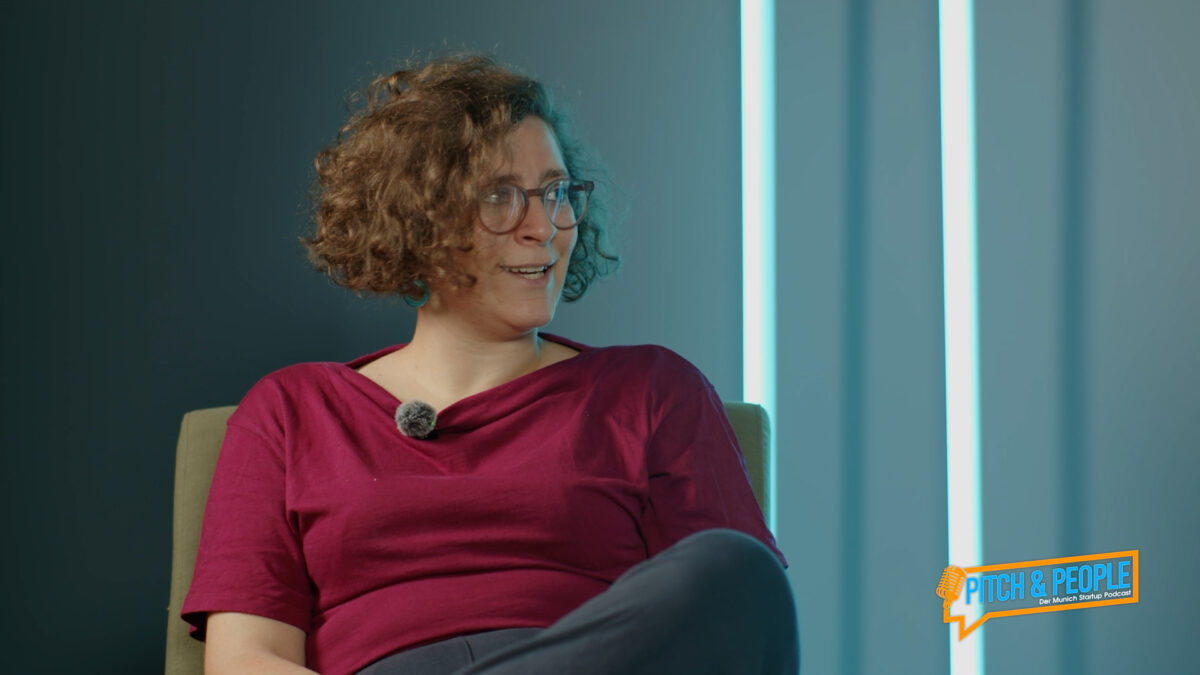
Today, Vera Meinert, co-founder and CEO of Munich startup Diafania, runs her own company. Together with two co-founders, she is developing an AI data platform for building operations. On the Pitch & People videocast, she talks about why she left her previous career path and what she underestimated about founding a company.
Good arguments, little leeway
The decision stems from growing dissatisfaction. In consulting, Meinert explores new business opportunities, develops ideas, and wants to push them forward. But she hits boundaries. Her arguments fail to sufficiently convince management to pursue certain topics further.
Meinert could return to her previous daily consulting routine; instead, she reaches out to Peschko again. This time, she wants to know how founding a company actually works. She doesn’t have a concrete business idea yet.
In long conversations, the two identify which problem Meinert knows particularly well from her professional experience: companies want to use AI, but the necessary data is missing, incomplete, or poorly prepared. When she started her career in 2019, she had already expected these basics to have been settled long ago. Practical experience showed her the opposite.
“In every project I was involved in, data availability was a huge challenge, and it basically never worked out.”
The idea for Diafania grew out of this experience. Meinert brings in her background in building business divisions, while Peschko contributes entrepreneurial expertise. For technical execution, they bring on Michael Brunzel as a third co-founder.
Founded Together, Yet Alone
Running her own company fundamentally changes Meinert’s day-to-day work. Previously, she developed business units alongside colleagues. Now, she has to figure out for herself which events are worthwhile, how to approach prospective clients, and how sales works.
Her technical co-founder faces a similar challenge: He is building the tech stack and having to implement much of it on his own for the first time. Peschko supports both of them. Nevertheless, specialized knowledge in the individual areas grows so quickly that not every decision can be made together.
This is precisely what surprises Meinert. Having a founding team doesn’t automatically mean feeling like a team in daily business.
“So I was simply very lonely with some decisions.”
She talks to other founders about it and initially wonders whether she is doing something wrong. Many describe similar experiences: Big questions are discussed together as a team. The many small decisions are made by each person within their own area of responsibility.
Added to that is the uncertainty. At first, Meinert is primarily preoccupied with financing. The EXIST Business Start-up Grant gives the team some breathing room, but that doesn’t make the open questions disappear: Does the idea work? Is the team talking to the right customers? Which assumptions hold up to reality?
After the grant ends, money moves back into focus. At the same time, Diafania takes on its first interns and working students. Responsibility for one’s own path turns into responsibility for others.
An elevator shows why Diafania is needed
The problem the startup aims to solve is illustrated by a discovery made at a client’s site: An elevator turned up in the records that nobody had on their radar. The system is serviced, invoices arrive. But traceable documentation is nowhere to be found.
Diafania aims to close gaps like these. The platform analyzes technical documents and consolidates their contents in a structured format. From maintenance logs, repair reports, and other documents, an overview is created: What systems exist? What condition are they in? Which defects remain unresolved, and what maintenance is coming up?
The team only discovered the focus on technical building data through conversations with potential clients. Initially, they suspected bigger issues with commercial data and sustainability topics. However, the discussions revealed that there is a greater need for action when it comes to technical systems.
In the summer of 2024, the team begins conducting its first interviews. At the Expo Real real estate trade fair, Meinert makes further contacts. Three letters of intent later turn into two customer relationships. Diafania wins its first customer on the day the company is incorporated, twelve days after the start of the EXIST grant.
The startup is now working with six customers and has secured six-figure revenues for the current year. The company cannot fully finance itself with that just yet. The team is further developing the product based on initial pilot projects and has submitted an application for the second phase of the EXIST Transfer of Research grant.
Looking back, Meinert also sees where she should have made adjustments earlier: while the initial conversations offered many perspectives, the team systematically separated the needs of different target groups too late. Her advice is therefore:
“I would always recommend talking to customers as early as possible and, above all, approaching it in a very, very structured way.”
InfoboxVera Meinert is co-founder and CEO of the Munich proptech startup Diafania. She studied industrial engineering and management at the Karlsruhe Institute of Technology and subsequently worked in AI and data consulting, where she built up a business unit. With Diafania, she is developing an AI data platform that structures technical building documentation and makes maintenance and equipment conditions traceable. Alongside building the company, Meinert is committed to attracting more women to technical professions and entrepreneurship.
A big heart is no substitute for a tough decision
Meinert experienced just how difficult the new responsibility could be during a personnel decision. An intern worked at Diafania for nearly a year. She supported key milestones, grew into the team, and identified strongly with the young company. Even so, the startup was unable to hire her full-time. Financial constraints and the upcoming tasks simply did not allow for it.
For Meinert, this is one of the hardest decisions as a managing director. She wants to support people, but at the same time she has to secure the company’s future. Before such conversations, she seeks advice from experienced founders and close friends. Her goal remains to decide clearly and treat the other person fairly.
The kind of corporate culture she wants to build is also something Meinert reflects on beyond that. During her studies, in AI consulting, and on industrial projects, she frequently worked in male-dominated environments. At Diafania, she therefore deliberately aims to attract women for technical roles. The team crafts job postings accordingly and distributes them across women-in-tech networks, among other channels.
Her vision of success extends far beyond revenue and profitability. In five years, she wants to have built a team that is as gender-balanced and diverse as possible. She would be especially pleased if female employees at Diafania gained the courage and experience to found a company of their own.